Jensen Huang is back as Nvidia CEO, but investigations and risks remain
Source Entity
US Top News and Analysis
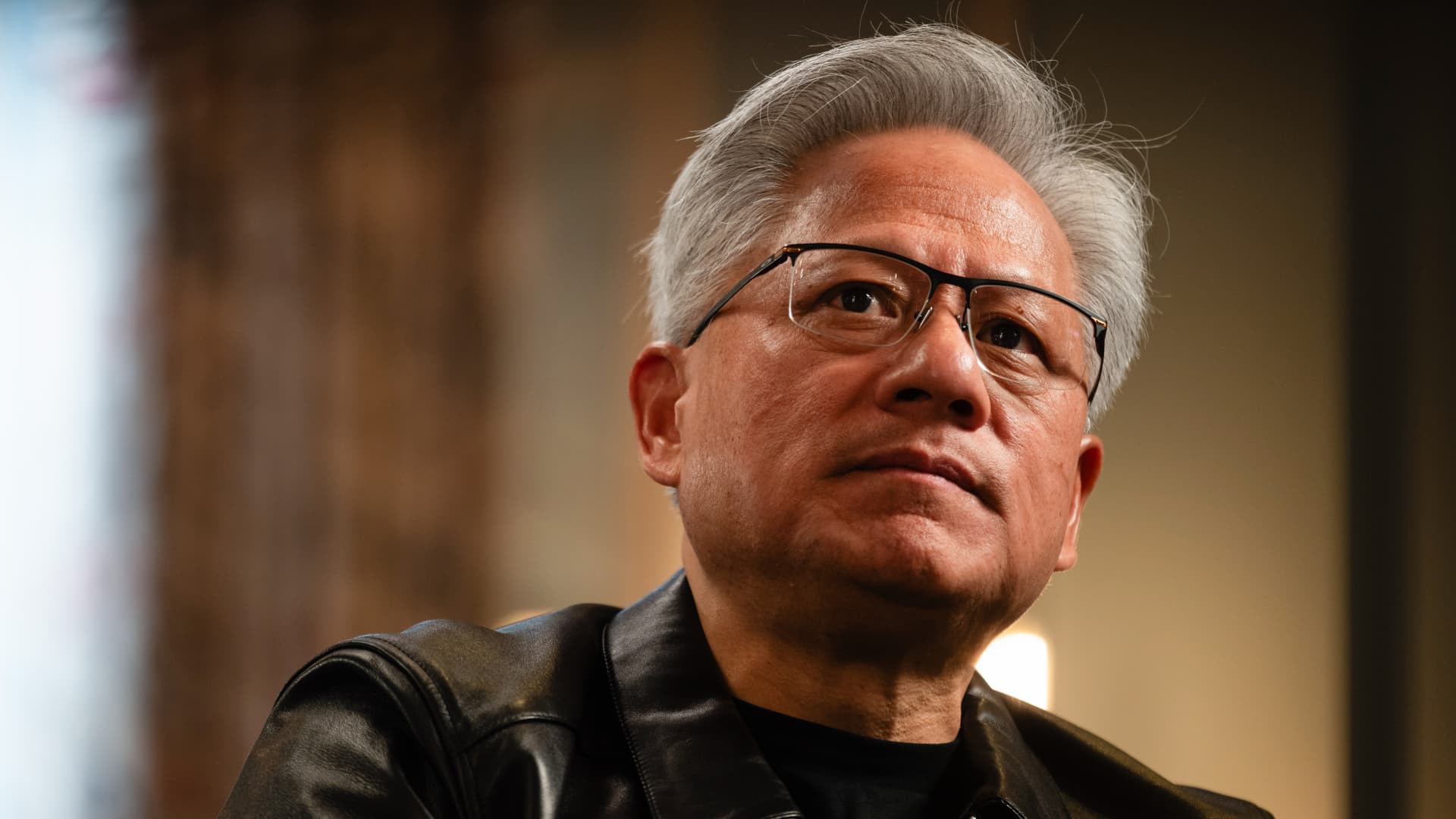
Nvidia CEO Jensen Huang has returned to his post following a brief resignation, sparking both market volatility and intense political scrutiny. While his reinstatement initially boosted Nvidia's value, investors remain cautious as questions regarding corporate governance and national security implications persist.
The Volatile Return of Jensen Huang
The tech industry is currently navigating a period of unprecedented turbulence following the extraordinary resignation and subsequent reinstatement of Nvidia CEO Jensen Huang. This leadership saga, which saw Huang step down only to return days later, has triggered a massive fluctuation in market valuation. Following his return, Nvidia shares initially surged by over 30%, adding a staggering $900 billion to the company’s market capitalization, only to lose nearly 9% mid-session as investor euphoria gave way to deep-seated caution regarding the broader AI sector.
The Intersection of Corporate Governance and National Security
President Trump’s direct intervention in this leadership transition has injected a complex geopolitical dimension into what might otherwise be viewed as a private corporate matter. By compelling the Nvidia board to retain Huang, the administration has blurred the lines between private enterprise and state policy. Critics argue that this move signals to international adversaries—specifically Beijing, Tehran, and Moscow—that U.S. national security policy is susceptible to economic vetoes, potentially undermining the long-term strategic autonomy of the American technology sector.
Accountability and Cultural Shifts within Nvidia
Beyond the macroeconomic fallout, Huang’s return has been marked by a high-stakes internal reckoning. In his first all-hands meeting following his reinstatement, Huang addressed Nvidia staff, offering a public apology for "very serious personal mistakes" that affected his family and violated the company's code of conduct. He acknowledged the necessity of daily therapy and committed to a new era of transparency, including the implementation of regular performance reviews and a renewed focus on creating an inclusive environment for women employees.
Market Skepticism and Future Volatility
Investors are now bracing for sustained volatility, as the AI sector—which has been the primary engine of global economic growth—faces the reality that its key players are subject to both leadership instability and regulatory pressure. The rapid dissipation of the "Huang-return" rally highlights a market that is increasingly sensitive to the intersection of executive behavior and corporate governance, suggesting that the recent share price swings are likely a precursor to broader sector-wide adjustments.
Broader Strategic Implications
As the administration continues to frame these interventions as vital for national security, the long-term impact on corporate independence remains a point of contention. The precedent set by the President’s involvement suggests a future where high-growth tech firms may find themselves increasingly tethered to political objectives. As the dust settles on this leadership crisis, both shareholders and policymakers must grapple with the reality that the stability of the global AI supply chain is now inextricably linked to the personal and professional conduct of its most prominent leaders.
Multiple Citing Sources