New York City to ban student AI use in public schools until high school
Source Entity
Guardian staff and agencies
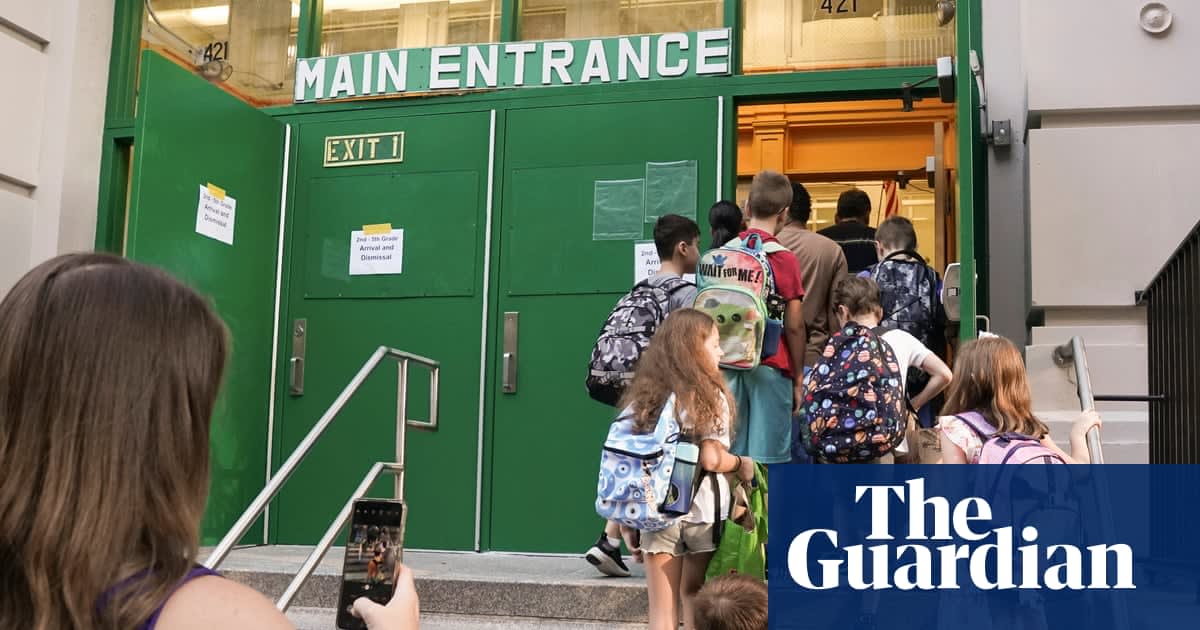
New York City is implementing a significant ban on AI tools for K-8 students to protect cognitive development and foster peer interaction. The policy also restricts laptop usage through third grade and prohibits teachers from using AI for grading purposes.
NYC Implements Landmark Ban on AI in K-8 Classrooms
New York City has announced a transformative shift in its educational technology policy, instituting a ban on the use of artificial intelligence tools for students through the eighth grade. This policy, which reflects a growing concern among educators and parents, aims to prioritize traditional cognitive development and interpersonal skill-building during the most formative years of a child's schooling. By restricting AI access until high school, the city is positioning itself at the forefront of a national debate regarding the integration of machine learning in academic environments.
Prioritizing Cognitive Development and Mental Health
Central to this decision is the argument that over-reliance on AI instructional software may inadvertently lead to an 'abdication of reasoning.' Teachers and parents have raised alarms that early exposure to generative AI could harm children’s mental health and hinder the development of critical thinking skills. By mandating that students develop essential skills alongside their peers, the Department of Education seeks to ensure that the human element of teaching remains the primary driver of the classroom experience.
Digital Device Restrictions and Policy Scope
The policy overhaul extends beyond AI, introducing broader limits on digital technology within the district. Specifically, classrooms will move to limit or prohibit the use of laptops and tablets for students through the third grade, typically ages nine or 10. This reduction in screen time, paired with the prohibition of AI-based grading for teachers, suggests a comprehensive strategy to minimize the digital footprint in early childhood education. These measures will impact a significant portion of the city's 900,000-student population.
The Role of Mayor Zohran Mamdani
Mayor Zohran Mamdani has been a vocal proponent of these changes, emphasizing that children need to develop skills in a collaborative, peer-focused environment. The administration’s approach includes a one-year moratorium on specific AI tools, effective in the 2026-2027 school year, and a strict ban on chatbots designed for companionship or mental support across all grade levels. While high school students may eventually be permitted limited, supervised access to AI, the focus for younger grades remains firmly on traditional pedagogical methods.
National Implications and Future Trends
As the largest school district in the United States, New York City’s technological policies are closely scrutinized by districts nationwide. This move signals a potential trend toward 'digital minimalism' in public education, where school systems may begin to pull back from the rapid, often unvetted, integration of AI tools. By initiating a pilot program for AI education while simultaneously enforcing these bans, the city is attempting to balance the need for technological literacy with the imperative of protecting student well-being.
Conclusion
This policy shift represents a significant pivot in how public education addresses the rise of AI. By prioritizing human-centric learning and curbing the influence of algorithmic tools in the classroom, New York City is setting a precedent that may influence how other districts navigate the intersection of modern technology and child development in the coming years.