Flood deaths rise to 5 in Odisha’s Keonjhar; Balasore bears brunt of deluge
Source Entity
Latest News: Todays Latest News Headlines from India & World | Hindustan Times | Hindustan Times
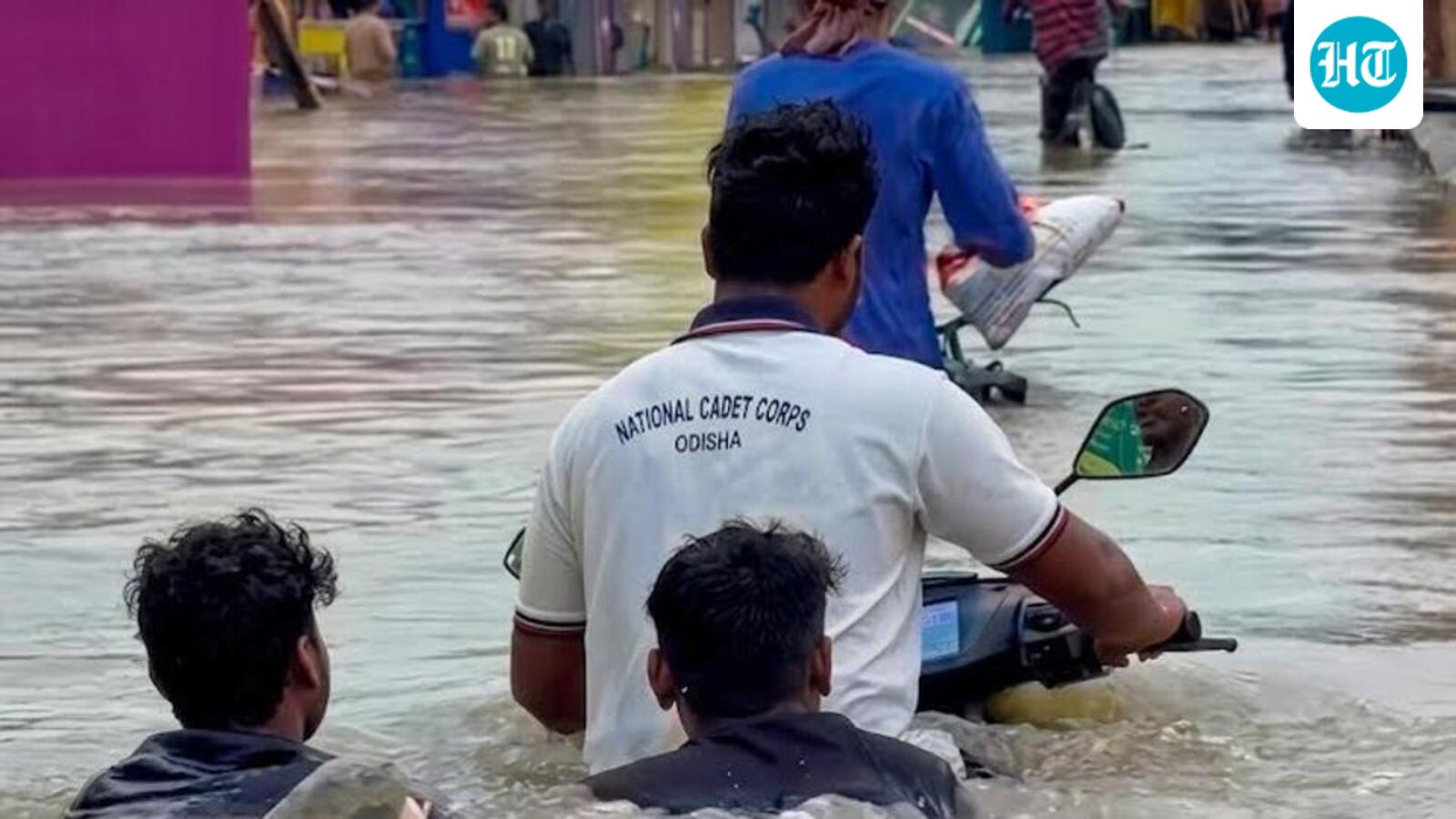
Odisha is facing a severe flood crisis, with Keonjhar recording five deaths and Balasore suffering the highest population impact. Authorities are managing relief efforts as heavy rains continue to cause widespread destruction.
The Escalating Flood Crisis in Odisha
Odisha is currently grappling with a severe environmental emergency as incessant, heavy rainfall has triggered widespread flooding across several districts. The situation has become particularly dire in Keonjhar and Balasore, where a slow-moving weather system has dumped significant precipitation, leading to the inundation of numerous villages and the displacement of thousands of residents. As of Wednesday, official reports confirm that the death toll in Keonjhar has risen to five, underscoring the lethal nature of the current deluge.
The Human Toll and Safety Hazards
The tragedy in Keonjhar highlights the multifaceted dangers inherent in flood-prone regions. Among the casualties was Chandan Pattnaik, a dedicated fire services personnel who lost his life while performing his duties. His death, caused by electrocution from a live galvanized iron wire, serves as a grim reminder of the secondary infrastructure hazards that emerge during natural disasters. Furthermore, the loss of life due to structural failures, such as wall collapses, and the inherent risks of being swept away by swift-moving floodwaters, demonstrate the extreme vulnerability of rural infrastructure and inhabitants during extreme weather events.
Disproportionate Impact on Balasore
While Keonjhar has faced the highest number of fatalities, the district of Balasore has emerged as the geographic epicenter of the crisis in terms of population displacement. With over 109,429 people impacted, Balasore is bearing the brunt of the flooding. This massive scale of displacement places an immense burden on local government resources, requiring rapid mobilization of disaster management teams to provide shelter, food, and medical assistance to a population that has been effectively cut off from normal life by the rising waters.
Governance and Disaster Response
The state government, led by Revenue and Disaster Management Minister Suresh Pujari, is currently engaged in a complex battle against the elements. The administration is tasked with not only immediate search and rescue operations but also the long-term challenge of managing the hydrological impact of the floods. The intensity of this disaster highlights the critical importance of disaster preparedness and the need for resilient infrastructure that can withstand the increasingly erratic weather patterns seen in the region.
Future Implications and Climate Context
Looking ahead, the situation in Odisha serves as a cautionary tale regarding the impact of climate-induced extreme weather. Slow-moving weather systems that remain stationary over a specific area are becoming a growing concern, as they result in sustained rainfall that overwhelms drainage systems and river capacities. Moving forward, authorities will likely need to focus on upgrading electrical safety standards in flood-prone areas, strengthening housing materials to prevent collapses, and enhancing early-warning systems to ensure that personnel and citizens alike are better protected against these inevitable environmental challenges.
Verification Required?