Odisha floods worsen as heavy rain inundates villages, roads in north
Source Entity
Latest News: Todays Latest News Headlines from India & World | Hindustan Times | Hindustan Times
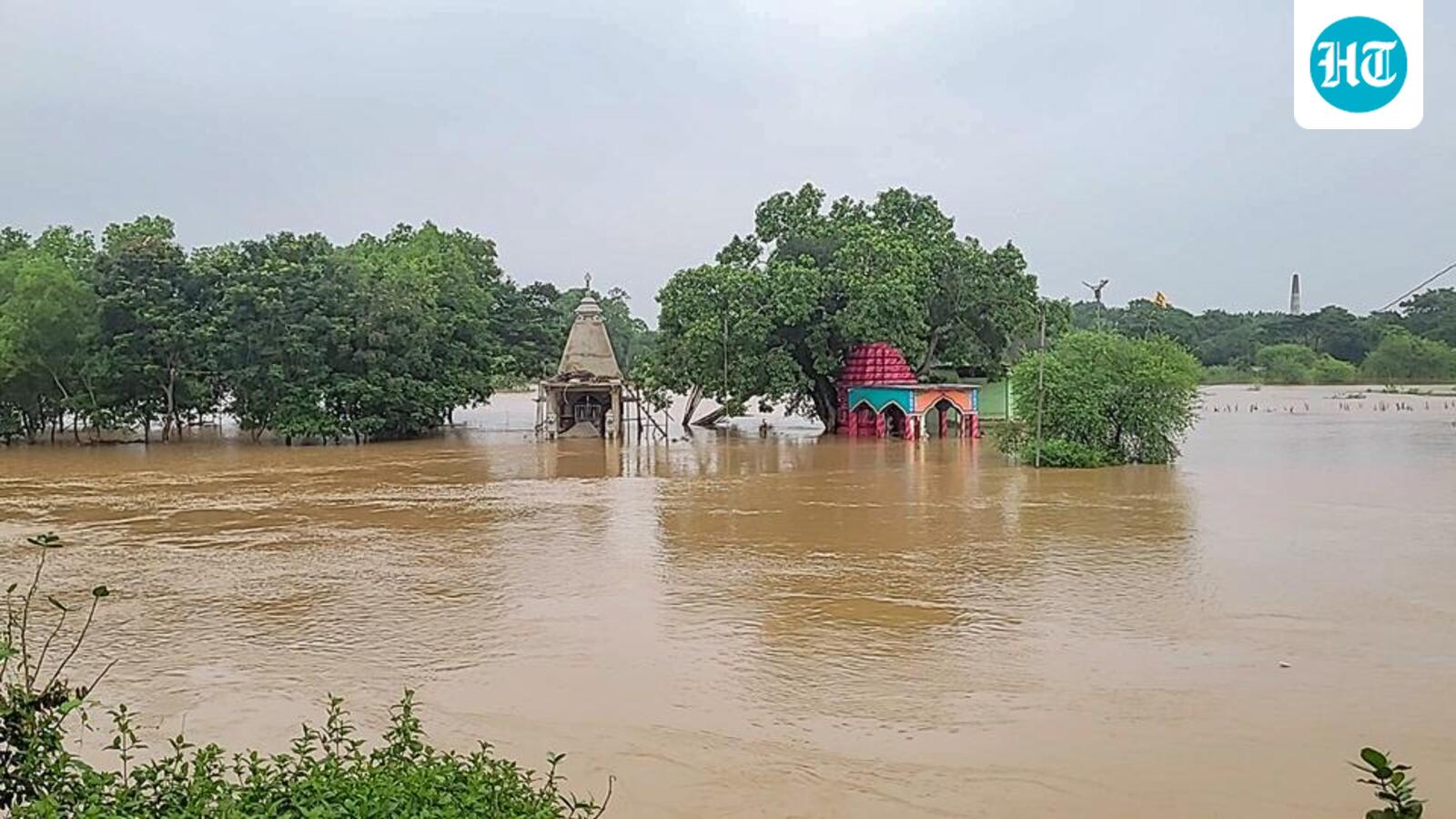
Northern Odisha is facing severe flooding due to heavy rainfall, resulting in inundated villages and disrupted infrastructure. Authorities from the IMD and CWC have issued urgent warnings for continued flash-flood risks across multiple districts.
The Expanding Crisis in Northern Odisha
Northern Odisha is currently grappling with a severe hydrological crisis as persistent, heavy rainfall continues to batter the region. The flooding has rapidly escalated, transforming low-lying areas into disaster zones where river levels have surged beyond danger marks. Key districts including Balasore, Mayurbhanj, Keonjhar, and Sundargarh are at the epicenter of this calamity, with reports indicating that agricultural lands are submerged and critical road infrastructure has been severely compromised.
The Role of Meteorological and Hydrological Forecasting
The India Meteorological Department (IMD) has played a pivotal role in signaling the urgency of this event, forecasting continued heavy precipitation for northern Odisha through August 17, with additional warnings for western districts extending until August 15. Simultaneously, the Central Water Commission (CWC) has identified a heightened risk of flash floods across 11 districts. These warnings are vital, as they provide the data necessary for local administrations to mobilize emergency services, though the sheer scale of the deluge has made containment an immense challenge.
Humanitarian Impact and Infrastructure Strain
The human cost of this disaster is mounting, with residents in the most severely affected areas forced to seek refuge on rooftops and elevated embankments. The inundation of villages has effectively cut off access to essential services, as road links are severed by rising waters. In Mayurbhanj, the overflow of the Budhabalanga river serves as a stark example of the hydrological pressure currently being exerted on the region's river systems, which are struggling to manage the volume of water from the sustained monsoon activity.
Historical Context and Environmental Vulnerability
Odisha’s geography, characterized by its extensive river networks and coastal proximity, makes it historically susceptible to monsoon-driven flooding. The current situation highlights the recurring vulnerability of northern districts during the monsoon season. As climate patterns shift, the intensity of these weather events appears to be intensifying, placing unprecedented stress on existing flood-control infrastructure and disaster management protocols that have traditionally served the state.
Future Trends and Resilience Strategies
Looking ahead, the situation necessitates a robust shift toward long-term climate resilience. As the IMD continues to track weather patterns, the integration of real-time CWC data with local evacuation plans will be essential for minimizing casualties. Future trends suggest that Odisha must continue to invest in elevated infrastructure and improved drainage systems to mitigate the impact of such extreme weather events, which are likely to remain a consistent challenge given the region's geographic and climatic profile.
Conclusion
As the state navigates this ongoing emergency, the priority remains the safety of the displaced population and the restoration of critical links. The coordination between meteorological agencies and local authorities is currently the primary defense against the escalating threat. Continued vigilance is required from all residents in the 11 identified high-risk districts as the monsoon season continues to pose significant threats to life and property.
Verification Required?