Oil prices fall as Middle East tensions ebb on diplomatic efforts
Source Entity
US Top News and Analysis
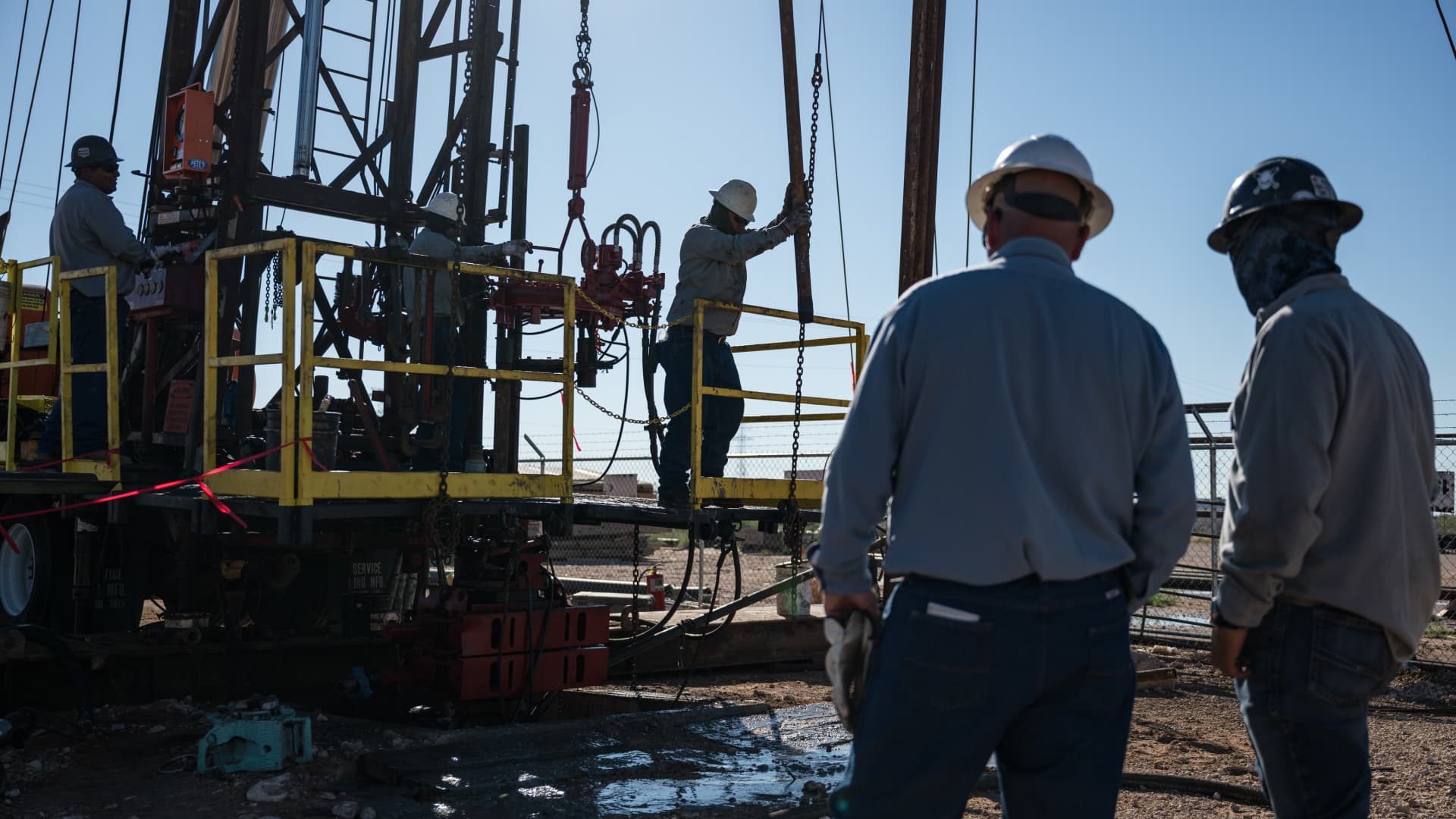
Global oil prices dropped significantly following President Trump's decision to cancel a planned military strike on Iran. The market correction reflects a reduction in geopolitical risk premiums as diplomatic efforts replace immediate conflict concerns.
Market Reaction to Geopolitical De-escalation
Global energy markets experienced a sharp downturn on Monday, with West Texas Intermediate (WTI) futures for September delivery plunging 5.05% to $80.39 per barrel, while Brent crude for October delivery fell 4% to $84.41. This sudden shift in commodity pricing was driven by the direct cooling of tensions in the Middle East, a region that remains the heartbeat of global energy supply chains. When President Donald Trump announced the cancellation of a planned military strike against Iran—citing requests from Tehran and other regional stakeholders—investors reacted by rapidly shedding the 'geopolitical risk premium' that had previously inflated oil prices.
The Mechanics of Risk Premiums
In the volatile world of energy trading, oil prices often include a built-in risk premium based on the perceived stability of key production hubs. When the threat of military conflict arises in the Middle East, traders anticipate potential supply chain disruptions, such as the blockage of the Strait of Hormuz, leading to higher prices. By canceling the strike, the administration effectively signaled a preference for diplomatic channels over kinetic engagement, providing the market with the stability it craves. This correction highlights how sensitive global energy prices are to the rhetoric and tactical decisions emanating from the White House.
Domestic Implications and Infrastructure
While international tensions dominate the headlines, the domestic energy sector continues its routine operational activities. For instance, in Midland, Texas, state-funded operations, such as those overseen by the Railroad Commission of Texas (RRC), continue to manage oil well plugging. These operations are vital for environmental stewardship and long-term infrastructure health in the Permian Basin. The contrast between high-level international diplomacy and the granular work of well maintenance underscores the multifaceted nature of the U.S. energy landscape.
Historical Context of Energy Volatility
Historically, the energy markets have always reacted with extreme elasticity to Middle Eastern instability. The fear of supply shocks has historically triggered price spikes that can ripple through the global economy, affecting inflation and consumer confidence. Today’s decline suggests that the market is currently prioritizing immediate diplomatic de-escalation over long-term structural concerns. However, investors remain cautious, as the history of the region suggests that geopolitical tensions are rarely resolved in a single diplomatic exchange.
Future Trends and Market Outlook
Looking ahead, the trajectory of oil prices will likely remain tethered to the success or failure of ongoing diplomatic efforts. If the current trend of de-escalation continues, we may see a period of price stabilization. However, any renewed rhetoric or unforeseen escalation could quickly reintroduce volatility. For market participants, the message is clear: the energy sector is currently in a state of high sensitivity, where international relations and domestic policy decisions are the primary drivers of price action, superseding standard supply-and-demand fundamentals for the time being.