Oil extends gains as Middle East supply concerns persist
Source Entity
US Top News and Analysis
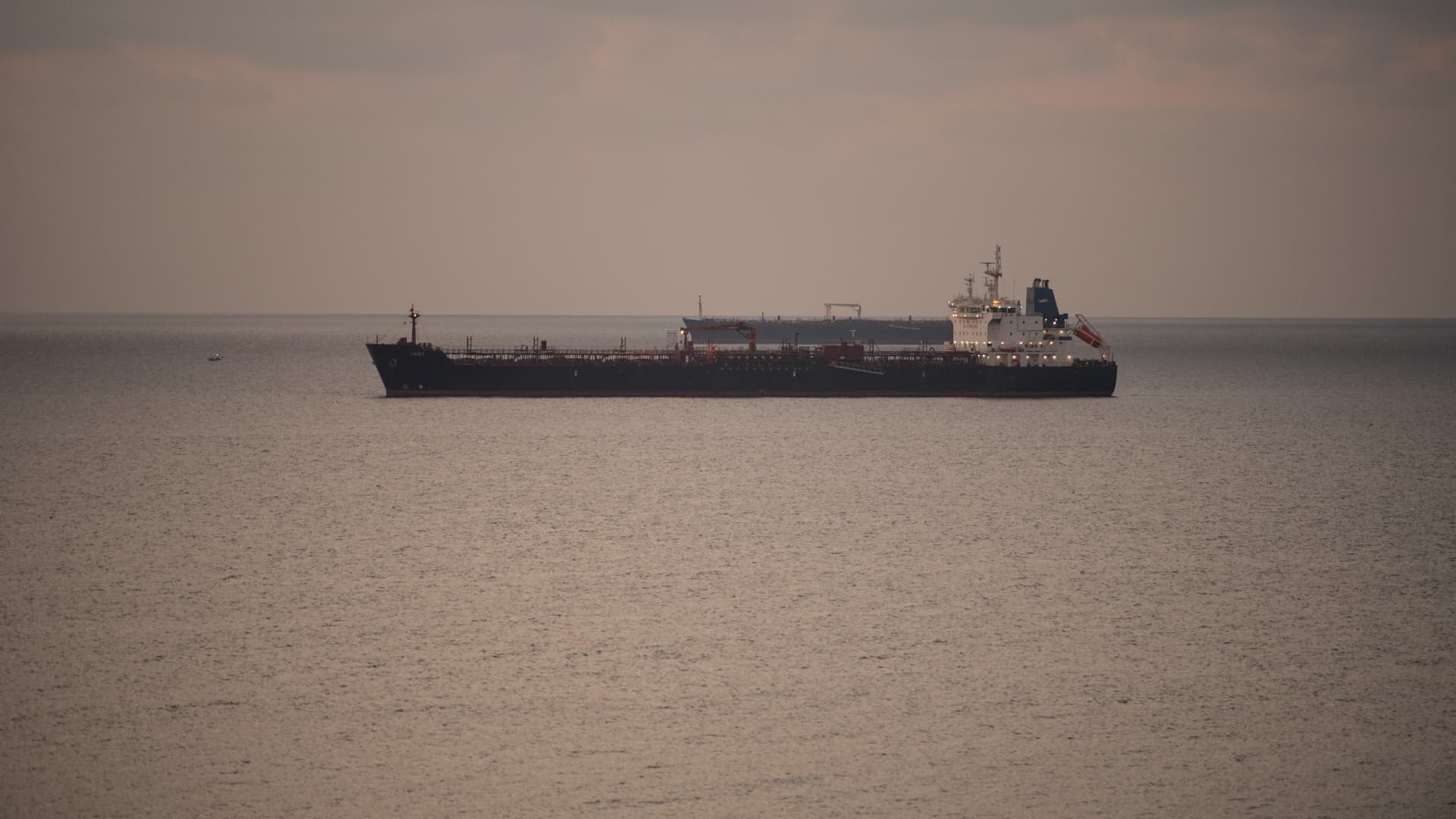
Oil prices have climbed for two consecutive sessions due to heightening tensions between the U.S. and Iran. While exports from the region have reached a war-time high, market uncertainty persists as diplomatic efforts via mediators continue.
Market Volatility Amid Geopolitical Tension
Global oil markets are currently experiencing a sustained period of upward momentum, marked by two consecutive sessions of price increases. As of Tuesday, Brent crude has climbed to $106.86 per barrel, while U.S. West Texas Intermediate (WTI) has risen to $93.86. This market behavior is primarily driven by deep-seated anxiety regarding the ongoing conflict between the United States and Iran, which continues to threaten the stability of Middle Eastern supply chains.
The Paradox of Rising Exports
There is a notable contradiction currently unfolding in the energy sector. Despite the escalating conflict and the resulting geopolitical risks, preliminary data from oil analytics firm Kpler indicates that crude exports from major Middle Eastern producers reached 12.8 million barrels per day in September. This figure represents the highest output level since February, suggesting that while the threat of disruption persists, physical supply lines have remained resilient, even as market participants price in a significant 'risk premium' due to the volatile political climate.
Diplomatic Efforts and Stalled Progress
Efforts to mitigate this conflict are currently moving through diplomatic channels, albeit with limited immediate success. Reports indicate that U.S. and Iranian officials have held separate, indirect talks via Qatari mediators in New York. However, sentiment remains fragile; Iranian Foreign Minister Abbas Araghchi has expressed pessimism regarding the likelihood of a definitive deal before the upcoming U.S. midterm elections. This lack of clear progress in negotiations ensures that uncertainty remains a primary driver of market sentiment.
The Human and Physical Cost of Conflict
The impact of this conflict extends far beyond energy markets, manifesting in severe humanitarian and physical destruction. Recent reports from Iran’s Hormozgan province highlight the tragic aftermath of a strike on a primary school, an event that underscores the intensity of the current hostilities. With neither the United States nor Israel officially claiming responsibility for such strikes, the lack of accountability and the continued presence of military tension create an environment where investors remain highly sensitive to any news of potential escalation.
Future Market Outlook
The immediate future of oil pricing remains tethered to the success or failure of ongoing back-channel diplomacy. As long as the conflict persists, market volatility is expected to continue, with traders closely watching for any signs of a ceasefire or, conversely, any further escalation that might threaten the 12.8 million barrels per day currently flowing from the region. The interplay between record-high exports and the persistent fear of supply chain disruption will likely keep Brent and WTI futures elevated in the short term, as the global market prepares for a prolonged period of geopolitical instability.
Multiple Citing Sources