Oil prices today: Crude edges higher as US-Iran tensions revive supply concerns
Source Entity
TOI BUSINESS DESK
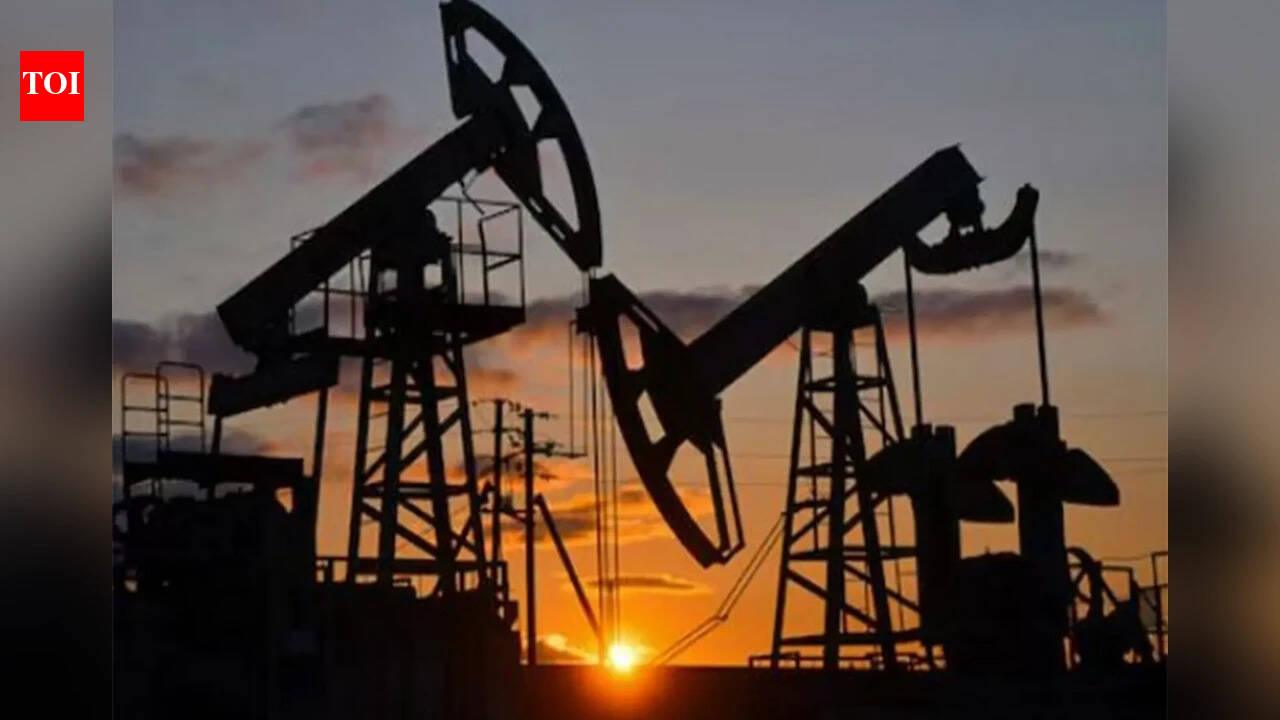
Oil prices saw a modest uptick as U.S. threats of a naval blockade on Iran intensified supply disruption fears. These gains were tempered by persistent concerns over weak global demand and rising U.S. crude inventories.
Geopolitical Tensions and the Global Oil Market
Crude oil prices experienced a marginal increase this Friday, reflecting the market's sensitivity to escalating geopolitical friction in the Middle East. The primary driver of this upward pressure is the United States' threat to implement an indefinite naval blockade against Iran. Such a maneuver serves as a significant escalation of economic pressure, directly threatening the stability of energy logistics in a highly volatile region.
The Strategic Importance of the Strait of Hormuz
The core of the current market anxiety lies in the potential disruption of the Strait of Hormuz. This narrow waterway is arguably the world’s most critical oil choke point, through which a substantial portion of global crude oil flows daily. Any credible threat to restrict passage through this artery creates immediate 'risk premium' pricing, as traders recalibrate their expectations for potential supply shortages that could ripple through global energy markets.
Balancing Acts: Supply Risks vs. Economic Realities
Despite the clear geopolitical catalysts for a price rally, the gains remained muted. The market is currently grappling with a tug-of-war between supply-side fears and demand-side pessimism. Weaker demand forecasts are acting as a structural anchor on prices, suggesting that even if supplies are threatened, the underlying appetite for crude is not robust enough to sustain a massive, unchecked price surge.
The Role of U.S. Inventories
Compounding the demand concerns is the recent data regarding rising U.S. crude inventories. When domestic stockpiles swell, it typically signals that production is outpacing consumption or that refiners are scaling back operations. This inventory growth provides a buffer against external supply shocks, effectively capping the upside potential of oil prices even when geopolitical news is inherently bullish.
Market Outlook and Future Trends
The current state of the oil market is defined by this delicate balance of conflicting forces. While Brent crude and WTI have managed to maintain weekly gains, the volatility observed—characterized by sharp drops followed by modest recoveries—is likely to persist. Investors should expect continued sensitivity to news regarding the Strait of Hormuz, as any tangible military movement would likely override current demand-side concerns and trigger a more significant price breakout.
Conclusion
In summary, the oil market remains trapped in a state of high alert. While the threat of a naval blockade provides a floor for current prices, the ceiling is firmly established by economic caution. As the situation evolves, the interplay between diplomatic posturing in Washington and Tehran and the hard data on global demand will continue to dictate the trajectory of energy costs for the foreseeable future.