Oil prices are up 13% in a week — and could head for more than $100 a barrel
Source Entity
Nora Redmond
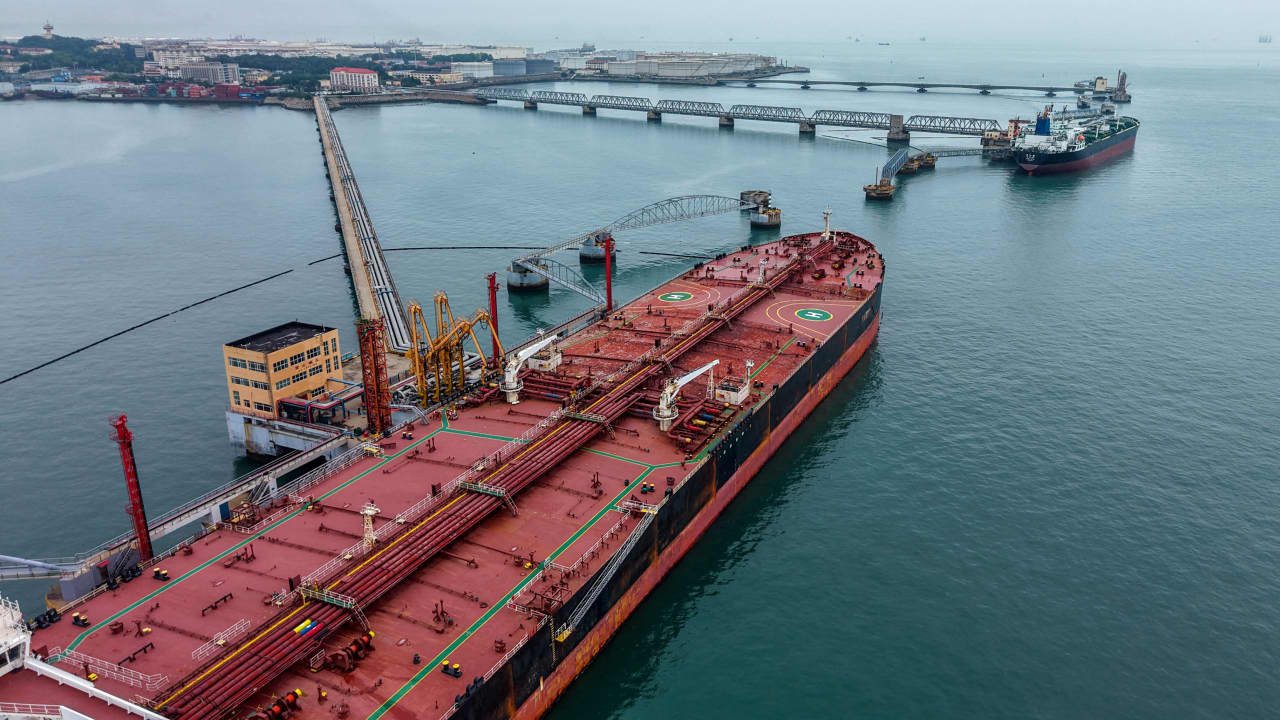
Oil prices have surged following rising geopolitical tensions between the U.S. and Iran. Markets reacted sharply to threats of infrastructure strikes, pushing crude benchmarks significantly higher.
Geopolitical Volatility and the Global Energy Market
The global energy landscape is currently grappling with heightened volatility as diplomatic tensions between the United States and Iran reach a critical inflection point. Following President Donald Trump’s public declaration that U.S. forces are prepared to target Iranian infrastructure, global oil markets have responded with immediate upward pressure. The rise in West Texas Intermediate (WTI) to $80.09 per barrel and Brent crude to $85.35 represents a nervous market consensus that the supply of oil is increasingly vulnerable to regional conflict.
The Mechanics of Market Reaction
Market participants are closely monitoring the threat of kinetic action against critical facilities. When rhetoric shifts toward targeting infrastructure, the risk premium on oil contracts historically expands. The 1.32% rise in WTI futures and the broader 13% gain over the past week reflect a market that is pricing in the potential for supply chain disruptions in the Persian Gulf. The presence of vessels anchored off Port Sultan Qaboos serves as a visual reminder of the logistical sensitivity of the region, where any escalation could impede the movement of tankers through vital maritime chokepoints.
The Diplomatic Paradox
Despite the aggressive posturing, there remains a fragile pathway for de-escalation. Analysts note that Tehran is currently weighing a substantial economic package, which includes the release of frozen assets and potential export waivers. This suggests that the current cycle of threats may be part of a high-stakes negotiation strategy rather than a precursor to inevitable war. The Iranian leadership’s reluctance to permanently abandon these economic incentives provides a small window for a diplomatic breakthrough, though the volatility in prices suggests that traders remain skeptical of a peaceful resolution.
Historical Context and Supply Risks
Historically, oil prices exhibit extreme sensitivity to Middle Eastern instability. Given that a significant portion of the world's daily oil output transits through the region, any direct strike on infrastructure could trigger a supply shock that pushes prices well beyond the $100 per barrel mark. This scenario is exacerbated by the current market sentiment, which has already fueled the largest one-week percentage gains in months, indicating that investors are moving to hedge against a worst-case scenario where regional exports are curtailed or halted entirely.
Future Trends and Outlook
The trajectory for the coming weeks will be dictated by the deadline set for diplomatic progress. If a breakthrough is not achieved, the market is likely to see sustained upward momentum in prices as the threat of infrastructure strikes shifts from rhetoric to reality. Conversely, should both parties find a middle ground—leveraging the economic packages currently on the table—the risk premium may evaporate, leading to a stabilization or correction in energy costs. For now, the global economy remains in a state of watchful waiting, with energy security inextricably linked to the success or failure of the upcoming diplomatic engagements.
Multiple Citing Sources
Verification Required?