Oil shipments are under attack on multiple fronts as fighting escalates in Red Sea, Hormuz and Black Sea
Source Entity
US Top News and Analysis
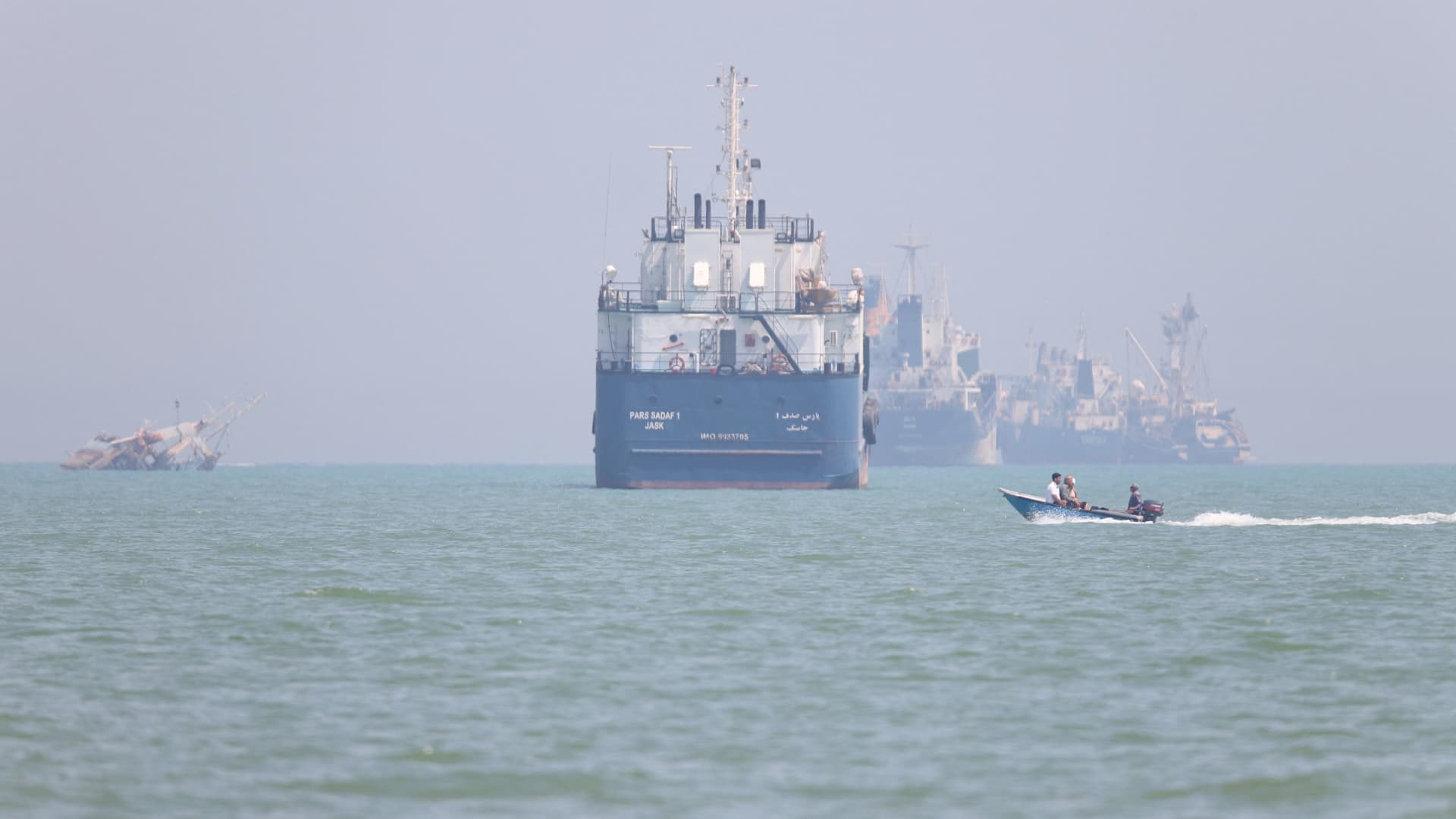
Global oil shipping faces severe disruption as conflicts in the Red Sea, Black Sea, and Strait of Hormuz intensify. Prediction markets indicate a prolonged period of instability, with experts estimating that normal maritime traffic may not resume for several years.
The Global Energy Chokepoint Crisis
The stability of global energy markets is currently facing an unprecedented threat as maritime corridors—essential for the transit of oil—have become primary theaters of economic warfare. Since March 1, the frequency of attacks on commercial vessels across the Persian Gulf, the Strait of Hormuz, and the Gulf of Oman has surged, with over 60 ships targeted. This shift marks a dangerous escalation in regional conflicts, where the disruption of energy supply chains is being utilized as a strategic weapon to exert political and military pressure.
Multiple Fronts of Maritime Conflict
The crisis is geographically dispersed, creating a complex web of instability for global shipping companies. In the Middle East, Iran has intensified its efforts to assert control over the Strait of Hormuz, while its Houthi allies have expanded the theater of operations into the Red Sea. The recent targeting of Saudi tankers following a declared maritime embargo signifies a direct challenge to regional energy security. Simultaneously, in Eastern Europe, the ongoing conflict has seen Ukraine strike over 150 vessels linked to Russia's 'shadow fleet' within the Black Sea and Sea of Azov, further complicating the global oil logistics landscape.
The Impact of Geopolitical Escalation
Market volatility is directly correlated with the intensifying military responses from global powers. Following a 13th consecutive night of U.S. strikes against Iranian targets and public signals from President Trump regarding potential further military action, the confidence in a swift resolution to the crisis has evaporated. This atmosphere of perpetual conflict has fundamentally altered the risk calculus for shipping firms, leading to rerouting, increased insurance premiums, and, in many cases, a total cessation of passage through these vital chokepoints.
Market Sentiments and Long-Term Projections
The severity of the situation is reflected in prediction markets such as Kalshi, where trader sentiment has turned increasingly pessimistic. The probability of the Strait of Hormuz returning to normal traffic flow by July 2027 has plummeted to 47%, down from nearly 70% just days prior. With odds for a return to normalcy within the current year sitting at a mere 38%, the financial sector is clearly bracing for a prolonged period of operational disruption that could last well into the latter half of the decade.
Broader Economic Implications
As these conflicts persist, the global economy faces the risk of sustained inflationary pressure driven by energy costs. When oil transit is inhibited, the subsequent supply shocks ripple through manufacturing, transportation, and consumer sectors worldwide. The transformation of commercial shipping lanes into combat zones suggests that energy security can no longer be decoupled from the military realities of the regions through which these resources flow.
Conclusion: A New Era of Maritime Risk
The convergence of these multi-front attacks indicates that the world is entering a new, volatile era of maritime trade. Given the current trajectory of military engagements and the pessimistic outlook provided by prediction markets, the immediate future of global oil shipping remains precarious. Stakeholders must prepare for a prolonged period where the safety of commercial transit is secondary to the strategic objectives of the warring parties, necessitating a fundamental rethink of global energy distribution networks.