Why Oklahoma speed signs say ‘no tolerance’ and what drivers should know
Source Entity
TIMESOFINDIA.COM
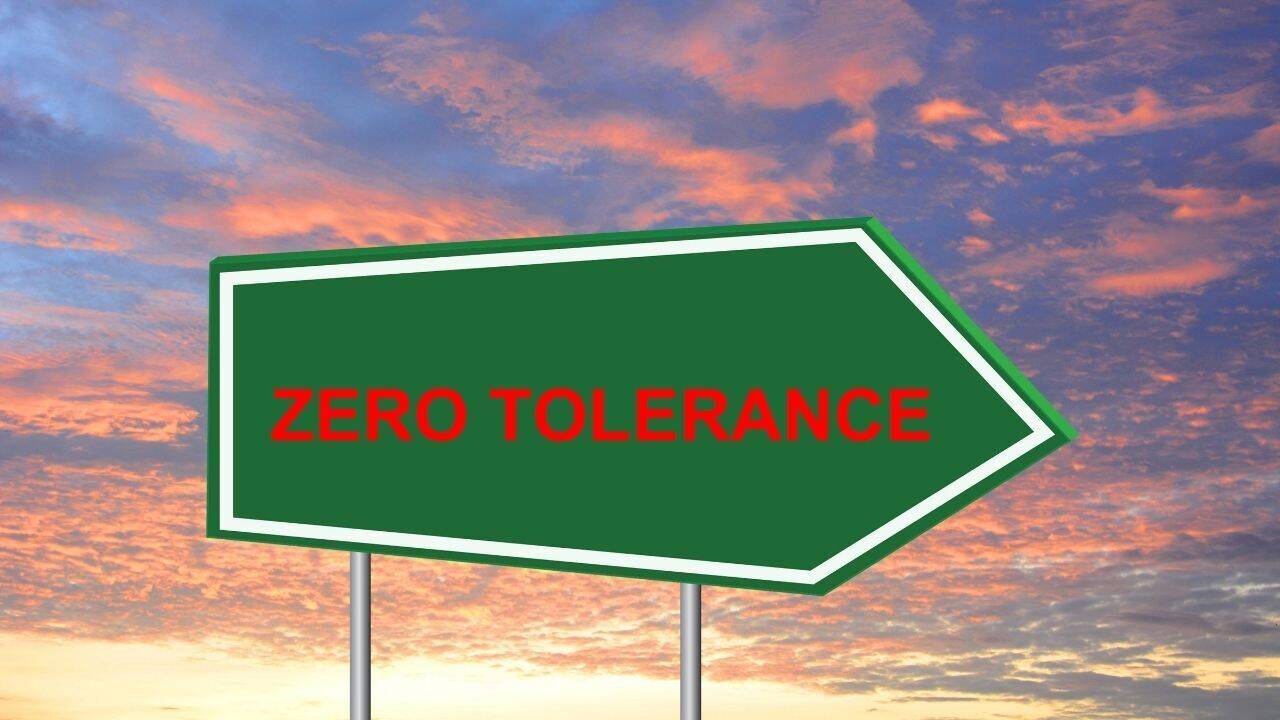
Oklahoma has implemented 'No Tolerance' signage to remind motorists that posted speed limits are absolute legal ceilings, where even exceeding the limit by one mile per hour constitutes a violation, although law enforcement retains discretion in issuing tickets.
Understanding Oklahoma's 'No Tolerance' Speed Enforcement
Oklahoma has introduced "No Tolerance" signage as a strategic communication tool to redefine how motorists perceive and adhere to posted speed limits. In many jurisdictions, there is a pervasive cultural assumption among drivers that there is an implicit "buffer zone"—often five to ten miles per hour—where speeding is ignored by law enforcement. By explicitly labeling zones as "No Tolerance," the state is attempting to dismantle this misconception, signaling that the posted speed is the absolute maximum legal velocity allowed on that stretch of road.
The Legal Framework of Absolute Speed Limits
From a strictly legal standpoint, the "No Tolerance" signs serve as a reinforcement of existing traffic laws rather than the creation of new ones. In Oklahoma, as in most U.S. states, exceeding the speed limit by even a single mile per hour is technically a violation of the law. However, the addition of these signs removes the ambiguity that drivers often rely on. By stating that there is no tolerance, the state establishes a clear psychological boundary, reminding drivers that they are operating outside the law the moment their speedometer ticks past the posted limit. This approach is designed to shift driver behavior from "guessing the limit" to strictly adhering to the signage.
The Interplay Between Law and Police Discretion
Despite the rigid language of "No Tolerance," a critical nuance remains: the role of officer discretion. Law enforcement officers are not robotic executors of the law; they possess the authority to determine whether a citation is necessary based on the context of the violation. For example, an officer may choose not to pull over a driver going 61 mph in a 60 mph zone if traffic is flowing smoothly and safety is not compromised. However, the "No Tolerance" signage provides officers with a stronger justification for enforcement in high-risk areas, such as school zones or construction sites, where the margin for error is slim and the potential for fatality is high.
Broader Implications for Traffic Safety
This initiative is deeply rooted in the broader goal of reducing traffic-related fatalities and injuries. Speed is a primary factor in the severity of vehicle collisions; higher speeds reduce the driver's reaction time and increase the kinetic energy involved in an impact. By implementing a "No Tolerance" mindset, Oklahoma aims to lower the average speed of traffic, thereby increasing the probability of avoiding accidents or reducing the lethality of those that do occur. This systemic approach to speed reduction is often part of a larger "Vision Zero" philosophy, which posits that no loss of life on the road is acceptable.
Historical Context and Psychological Deterrence
Historically, traffic enforcement has oscillated between lenient community policing and strict quota-driven systems. The "No Tolerance" signage represents a middle ground: a transparent warning system. Psychologically, these signs act as a "nudge," forcing drivers to consciously check their speed. When drivers see a standard speed sign, they may ignore it; when they see a sign that explicitly warns of "no tolerance," the perceived risk of being caught increases, which typically leads to a measurable decrease in average speeds within that specific corridor.
Future Trends in Speed Enforcement
Looking forward, it is likely that these "No Tolerance" zones will become the precursors to increased automated enforcement. As technology evolves, the transition from manual police stops to automated speed cameras becomes more seamless. Once a population is conditioned to understand that speed limits are absolute via signage, the introduction of camera-based ticketing is often met with less public resistance because the "rules of the road" were clearly communicated. We can expect Oklahoma and other states to further integrate smart signage that adjusts speed limits in real-time based on weather or traffic density, paired with the same "no tolerance" mandate.
Summary
Oklahoma's "No Tolerance" signs are more than just warnings; they are an effort to align driver behavior with the strict letter of the law. While police discretion still exists, the signs eliminate the excuse of ignorance regarding speed limits. By prioritizing absolute adherence to speed caps, the state seeks to enhance overall road safety and reduce the frequency of high-speed collisions.