Forced to travel 100 km to fix ‘fault’ in new electric scooter, Kerala man wins Rs 1.6 lakh
Source Entity
Somya Panwar
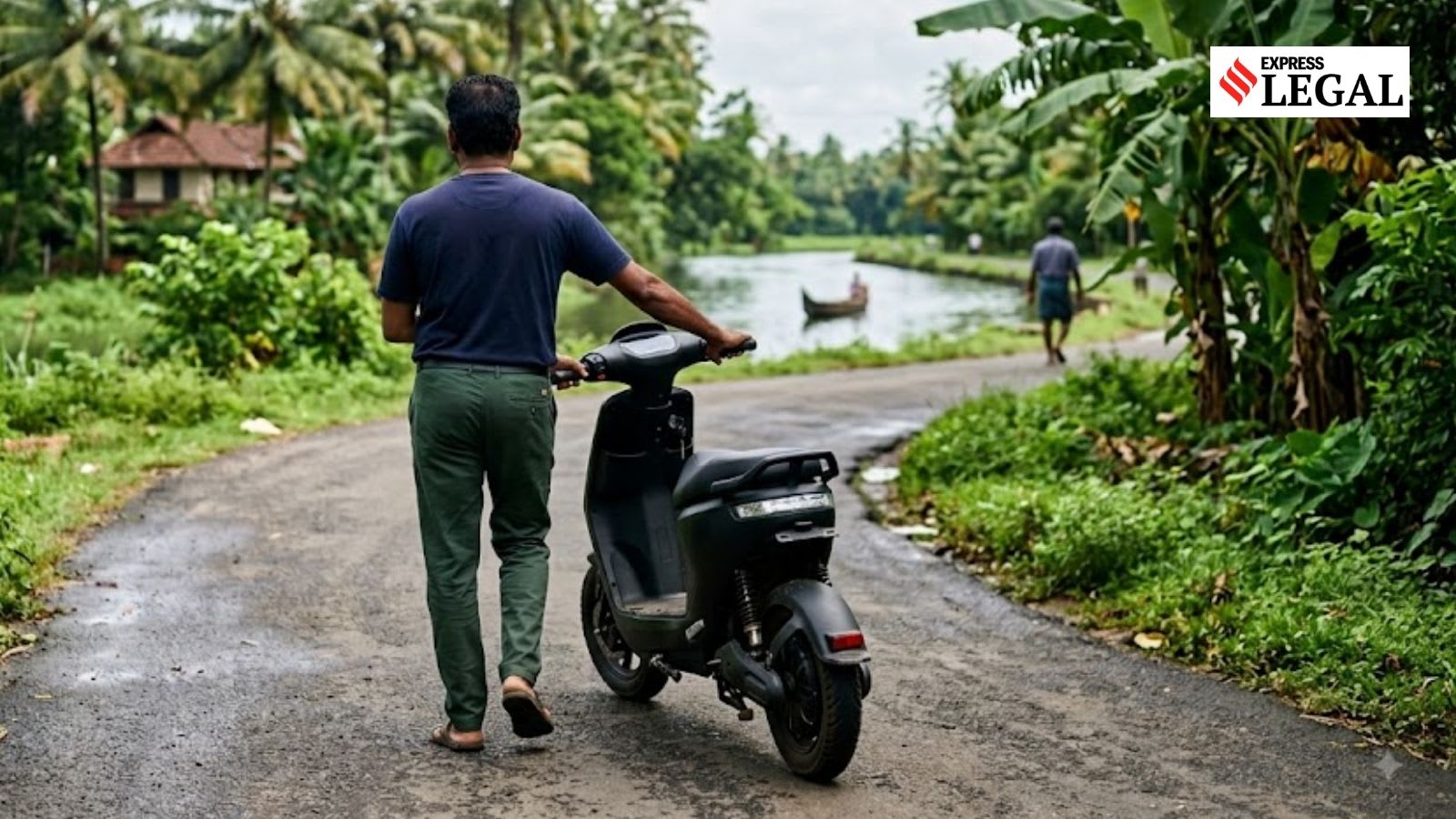
A Kerala consumer commission has ordered Ola Electric to refund a customer for a faulty scooter due to poor service and lack of accessible repair centers. The ruling highlights growing consumer grievances regarding after-sales support for electric vehicles.
Consumer Justice in the EV Era: The Ola Electric Case
In a landmark ruling that underscores the growing pains of India's electric vehicle (EV) revolution, the District Consumer Disputes Redressal Commission in Kasaragod, Kerala, has held Ola Electric accountable for significant deficiencies in service. The case, involving a customer named Jithin G.A., serves as a stark reminder that the transition to sustainable transport is not merely a technological challenge but a logistical and customer-service imperative.
The Anatomy of the Dispute
The complainant purchased an Ola S1 Pro Gen 2 electric scooter, only to have it plagued by repeated mechanical and electrical defects shortly after purchase. Despite the scooter being under warranty, the owner found himself in a precarious position: the nearest service centers were non-operational, forcing him to undertake a grueling 100-kilometer journey to secure repairs. This lack of proximity and support formed the crux of the commission's finding regarding "deficiency in service" and "unfair trade practices."
Legal Implications of the Ruling
President Krishnan K and member Beena K.G. presided over the commission, ultimately ordering a comprehensive financial resolution. Ola Electric has been directed to refund the full purchase price of Rs 1,03,999, supplemented by Rs 25,000 for mental agony and compensation, and an additional Rs 5,000 for litigation costs. By mandating a 30-day window for compliance, the commission has sent a clear signal that manufacturers cannot prioritize rapid market expansion over the fundamental rights of the consumer.
The Service Gap in the EV Sector
This incident highlights a broader industry trend where rapid sales growth often outpaces the development of robust, decentralized service infrastructure. For many EV early adopters in India, the promise of low-maintenance, high-tech mobility has been dampened by the reality of "service deserts." When proprietary technology is involved, consumers cannot seek repairs from local mechanics, making them entirely dependent on the manufacturer’s network—a network that, in this instance, proved insufficient.
Future Trends and Manufacturer Accountability
As the Indian government pushes for aggressive EV adoption, cases like this will likely force manufacturers to pivot their strategies. Companies that fail to invest in hyper-local service hubs may face not only reputational damage but also an increasing volume of litigation. Future trends will likely favor brands that integrate transparent, accessible, and responsive after-sales ecosystems as a core component of their value proposition rather than an afterthought.
Conclusion
The Kasaragod commission’s order is a victory for consumer rights in the evolving digital economy. It serves as a necessary check on corporate growth, ensuring that the shift toward green energy does not come at the expense of those who invest in the technology. Moving forward, the industry must recognize that long-term brand loyalty in the EV space will be built in the service center, not just on the showroom floor.