Onam: The many ways Keralam celebrates
Source Entity
India Latest News: Top National Headlines Today & Breaking News | The Hindu
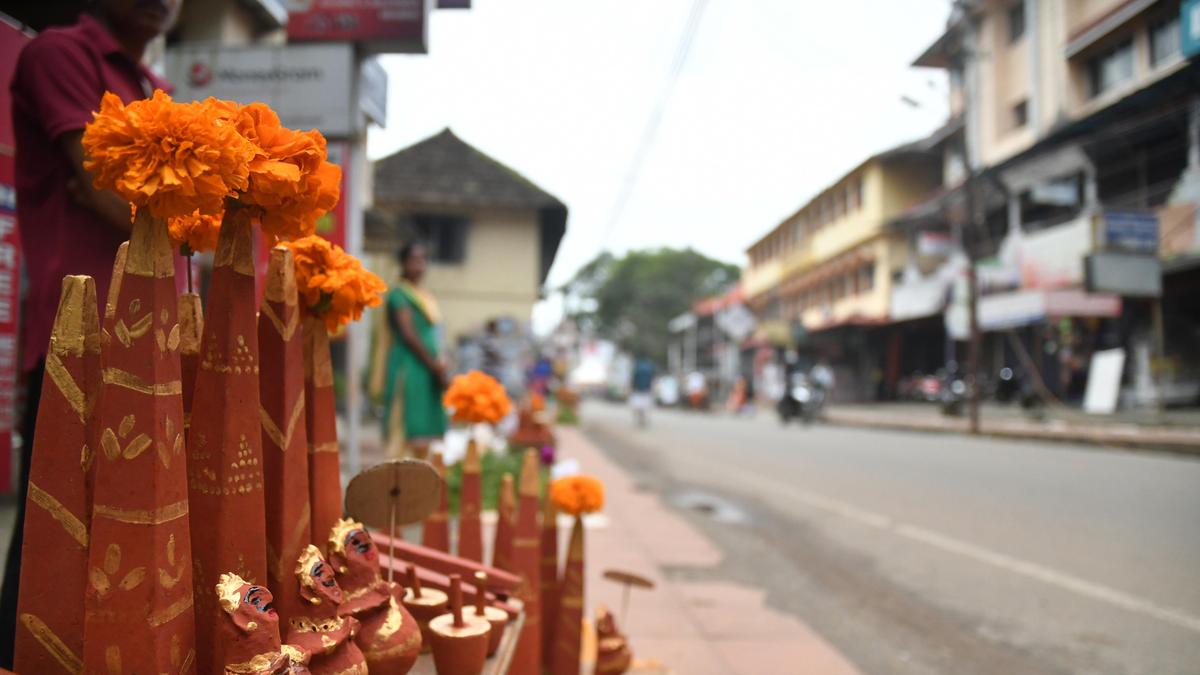
Onam is a multi-layered festival in Kerala that extends beyond the traditional ten-day narrative. Regional variations, such as the extended pookkalam traditions in Palakkad, highlight the cultural diversity of the celebration.
The Multifaceted Tapestry of Onam: Beyond the Traditional Narrative
Onam, the quintessential festival of Kerala, is widely recognized for its vibrant celebrations that mark the beginning of the Malayalam calendar year, Chingam. While the popular imagery of the festival is dominated by the arrival of the benevolent Asura King Mahabali, the creation of intricate pookkalams (floral carpets), and the indulgence in the grand sadya (feast), these elements represent only a fraction of a much larger, culturally rich phenomenon. The festival is not a monolithic event but a mosaic of local traditions that vary significantly across the state.
The Temporal and Cultural Nuance of Pookkalams
One of the most compelling aspects of Onam is how its timeline and execution shift based on regional identity. While the standard celebration is observed over ten days, starting from the day of Atham and culminating on Thiruvonam, local practices often defy this rigid structure. In regions like Palakkad, the tradition of laying pookkalams takes on a more expansive nature. Unlike the centralized ten-day window observed elsewhere, some communities begin this artistic endeavor as early as the month of Karkkadakam, the month preceding Chingam, with the tradition persisting well into the month of Kanni.
Myth and Local Identity
At the heart of the festival lies the legend of King Mahabali, whose return to his subjects serves as the central anchor for the festivities. However, the interpretation of this myth is deeply intertwined with local heritage. By examining the variations in how the festival is celebrated—such as the early commencement of floral art in Palakkad—it becomes clear that Onam serves as a profound reflection of regional social fabric. These local deviations are not mere anomalies; they are indicators of how mythologies are adapted and sustained through community-specific rituals.
The Evolution of Tradition
The persistence of these unique customs, as noted by observers like Girija Varier, demonstrates the resilience of oral traditions and community-led cultural preservation. By extending the celebratory period, these communities do not just honor a myth; they foster a sustained environment of joy and community bonding that transcends the standard ten-day calendar. This suggests that the 'popular' version of Onam is merely a standardized framework, while the 'true' experience of the festival is found in the specific, localized ways people choose to welcome the season.
Broader Implications and Future Trends
As Kerala continues to modernize, the preservation of these diverse, hyper-local traditions becomes increasingly vital. The shift from Karkkadakam to Kanni in the celebration of pookkalams highlights that cultural heritage is a living, breathing entity. Future trends will likely see an increased academic and social interest in these regional variations, as they provide a more authentic glimpse into the historical and agricultural roots of the Malayalam people. Ultimately, Onam remains a powerful testament to the diversity within Kerala's cultural identity, proving that the festival is as much about the community as it is about the ancient myths it celebrates.
Verification Required?