OnePlus may shut down operations in US and Europe amid slowing demand: Report
Source Entity
The Indian Express
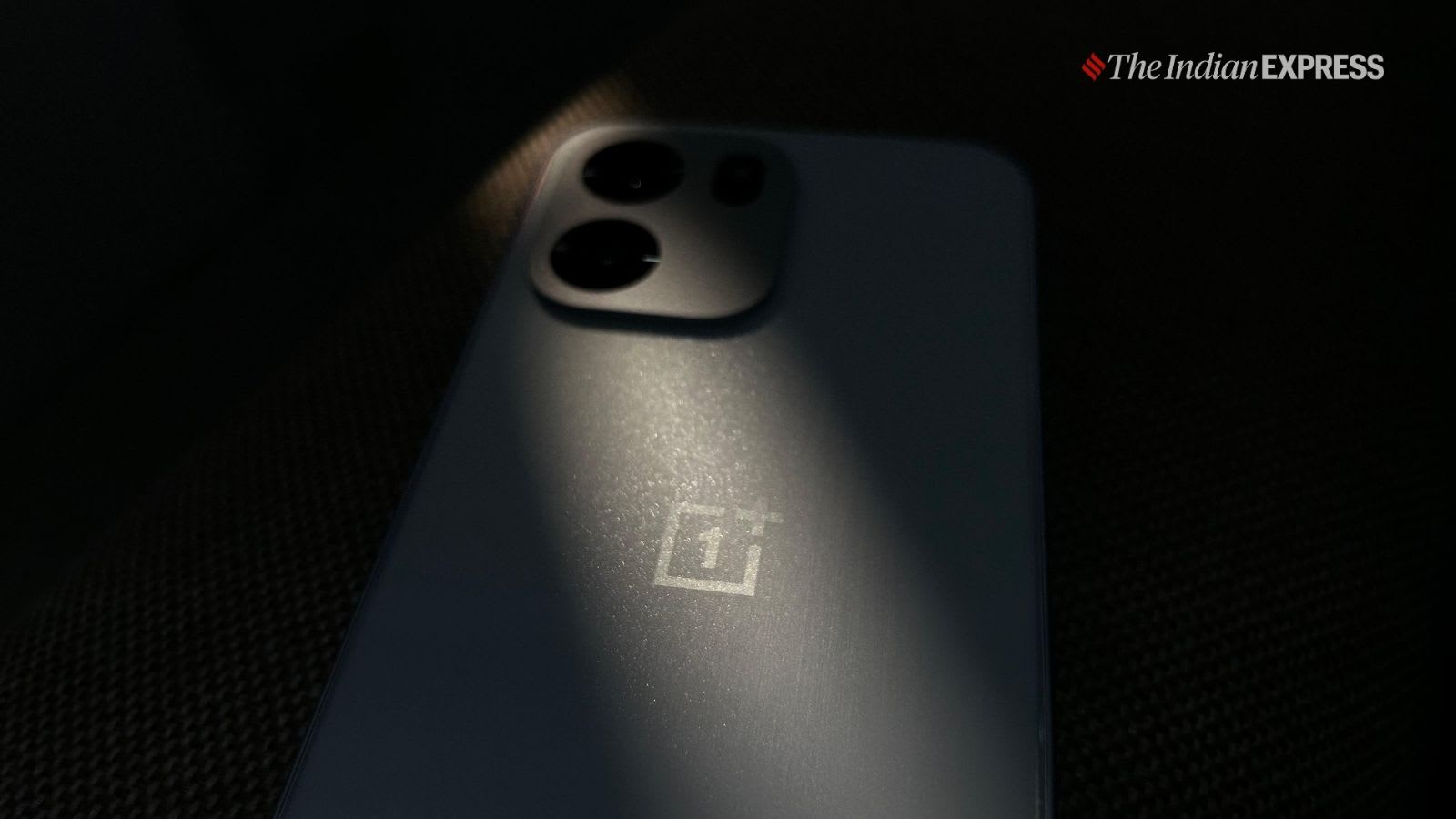
OnePlus is reportedly considering shutting down its smartphone operations in the US and European markets as part of a broader restructuring effort led by its parent company, Oppo, amid slowing consumer demand.
Strategic Retreat: Analyzing OnePlus's Potential Exit from Western Markets
Reports indicating that OnePlus may wind down its operations in the United States and Europe signal a potential watershed moment for the Android ecosystem in the West. This move, reportedly driven by a restructuring effort led by Oppo, suggests that the brand is struggling to maintain its footing in highly competitive markets where consumer demand has slowed. For a company that once positioned itself as the 'flagship killer,' a retreat from these key regions would mark the end of an era of disruptive growth and a shift toward a more consolidated corporate strategy under the Oppo umbrella.
The Erosion of the 'Flagship Killer' Identity
To understand the gravity of this potential exit, one must look at the historical trajectory of OnePlus. The brand entered the global stage by offering high-end specifications at a fraction of the cost of premium devices, relying on a community-driven marketing model and an invite-only system that created an aura of exclusivity. However, as OnePlus transitioned from a niche enthusiast brand to a mainstream competitor, it began to raise prices and integrate more closely with Oppo's hardware and software. This evolution effectively erased the 'value' gap that once made OnePlus a viable alternative to Samsung and Apple, leaving the brand in a precarious 'middle ground' where it lacked both the prestige of the ultra-premium tier and the price advantage of the budget segment.
The Oppo Integration and Corporate Restructuring
The reported restructuring is not merely about sales figures but about corporate efficiency. While OnePlus was initially marketed as an independent entity, its integration with Oppo has become increasingly transparent. By consolidating operations, Oppo can eliminate redundant marketing budgets, supply chain overheads, and regional management teams. In the current economic climate, where global smartphone shipments have plateaued, parent companies are prioritizing profitability over market share. If the US and European markets are no longer yielding a sufficient return on investment (ROI) compared to the operational costs of maintaining a separate brand identity, a shutdown becomes a logical, albeit drastic, financial move.
Market Pressures: The Apple-Samsung Duopoly
The difficulty OnePlus faces is compounded by the entrenched dominance of Apple and Samsung in the West. In the US, carrier partnerships are the primary gateway to success, and Apple's ecosystem lock-in remains nearly impenetrable. In Europe, while there is more diversity in brand preference, the rise of aggressive pricing from other Chinese OEMs like Xiaomi has squeezed OnePlus's margins. As consumers move toward longer upgrade cycles—keeping their phones for three to four years instead of two—the demand for mid-to-high-tier 'alternatives' has waned, leaving little room for a brand that doesn't offer a definitive, unique selling proposition.
Broader Implications for the Android Ecosystem
If OnePlus exits these regions, the impact will be felt by the remaining Android user base that seeks high-performance hardware without the Samsung premium. It would further solidify the duopoly in the premium segment, potentially reducing innovation in the 'enthusiast' space. Furthermore, this move could serve as a bellwether for other Chinese technology firms; a retreat by a brand as prominent as OnePlus might signal a broader strategic pivot away from Western markets in favor of doubling down on emerging markets in Asia and Africa, where growth potential remains higher and regulatory hurdles are often more manageable.
Conclusion and Future Outlook
While the report suggests a total shutdown, there is a possibility that this 'restructuring' could manifest as a complete rebranding or a shift to an online-only model to slash operational costs. However, if the exit is absolute, it will stand as a cautionary tale about the dangers of brand dilution and the difficulty of scaling a niche identity into a global powerhouse. For now, the tech industry awaits official confirmation, but the signals point toward a leaner, more centralized approach for Oppo and its subsidiaries as they navigate a stagnating global smartphone market.