It’s Getting Harder to Return Things—and It’s Making Shoppers Mad
Source Entity
Latest News: Todays Latest News Headlines from India & World | Hindustan Times | Hindustan Times
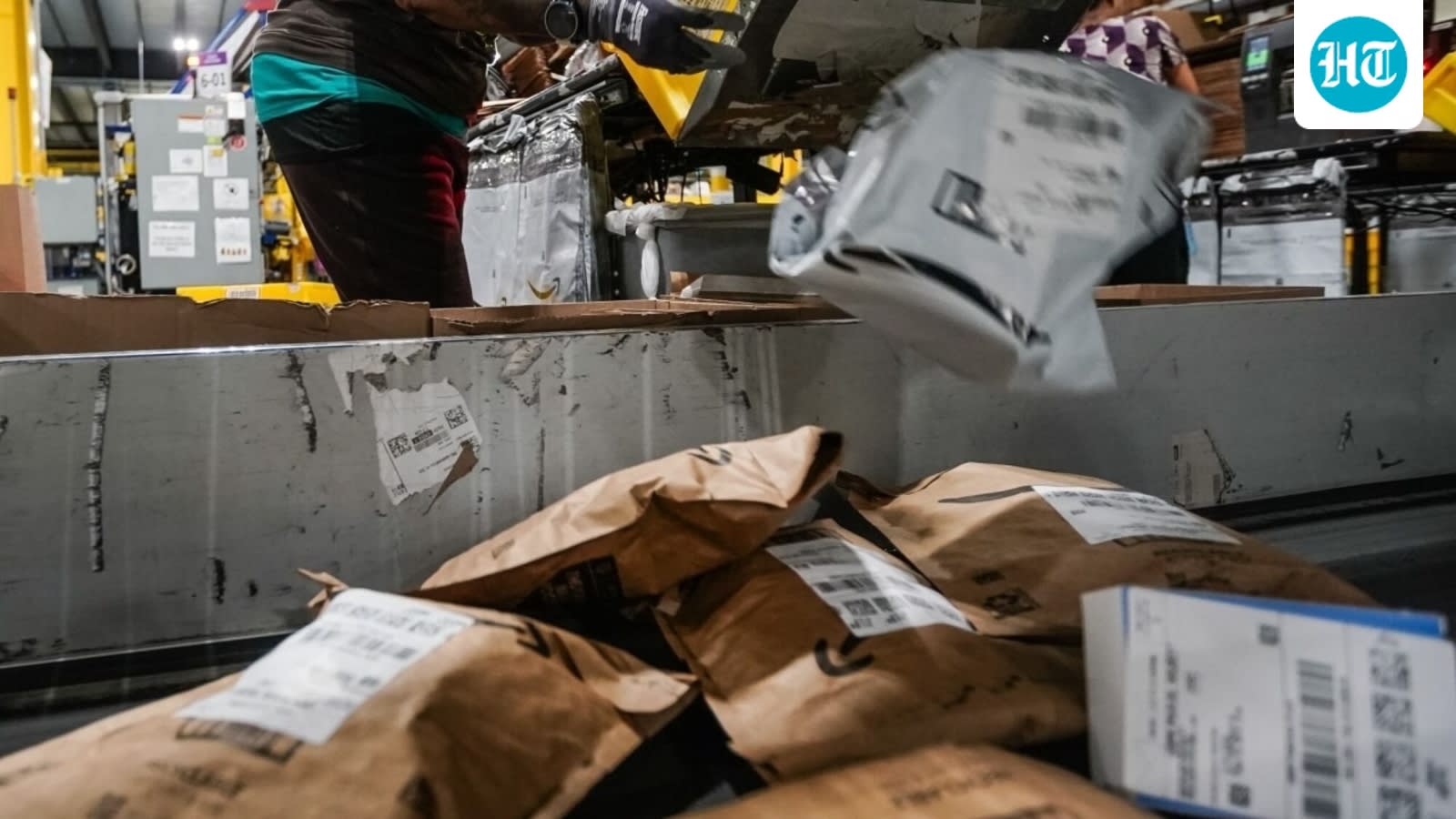
Online retailers are increasingly implementing stricter return policies, including surprise fees and shortened windows, causing significant consumer frustration. This shift is driven by high processing costs, leading to a notable decline in customer satisfaction and brand loyalty.
The Evolving Landscape of E-commerce Returns
The convenience-first era of online shopping, defined by the 'no-questions-asked' return policy, is undergoing a significant transformation. As retailers grapple with the logistical and financial burdens of reverse logistics, consumers are increasingly finding themselves confronted by surprise fees, reduced return windows, and protracted refund timelines. This shift represents a fundamental realignment of the e-commerce value proposition, moving away from the frictionless experience that previously defined the digital retail sector.
The Transparency Crisis
At the core of this consumer backlash is not merely the imposition of new rules, but a profound breakdown in communication. According to Taylor Cunningham, a senior director at Trustpilot, the primary source of shopper anger is the lack of transparency regarding these policy changes. When return policies are buried, misleading, or communicated only at the point of processing, it creates a sense of betrayal. Trustpilot’s data suggests that such experiences are not just minor irritants; they directly correlate to a drop of roughly 1.6 stars in retailer ratings, signaling a tangible erosion of brand equity.
The Economic Drivers
The shift toward restrictive policies is largely a response to the escalating cost of processing returns. Data from Loop Returns, which tracks over 5,000 merchants, highlights a stark trend: 68% of retailers now charge return fees at least some of the time, a significant increase from just 43% five years ago. This trend is rooted in the harsh economic reality that processing a single return costs, on average, 27% of the original purchase price, as estimated by Optoro. For retailers operating on thin margins, these costs have become unsustainable, forcing them to offload the expense onto the consumer.
The Impact on Consumer Trust
The psychological impact of these changes cannot be overstated. Shoppers who were accustomed to a 'try-before-you-buy' mentality are now encountering financial friction that discourages conversion. When a policy change feels like a surprise, the consumer perceives it as a breach of the implicit contract of trust between the buyer and the merchant. This transparency deficit is likely to influence future shopping behaviors, as consumers become more cautious and skeptical of online retailers who fail to clearly outline their return terms.
Future Trends and Strategic Outlook
Looking ahead, retailers will need to balance cost-recovery strategies with the necessity of maintaining customer loyalty. The current model of 'surprise' fees is clearly damaging, suggesting that the industry must pivot toward more transparent, tiered, or loyalty-based return structures. Retailers who successfully communicate these policies—or leverage technology to reduce the rate of returns altogether—will likely gain a competitive advantage. The future of e-commerce may be defined by a more deliberate approach to purchasing, where the cost of returns is finally acknowledged as a shared responsibility between the merchant and the buyer.
Verification Required?