Donald Trump is trying to rename AI. That won’t solve any of its problems
Source Entity
Subimal Bhattacharjee
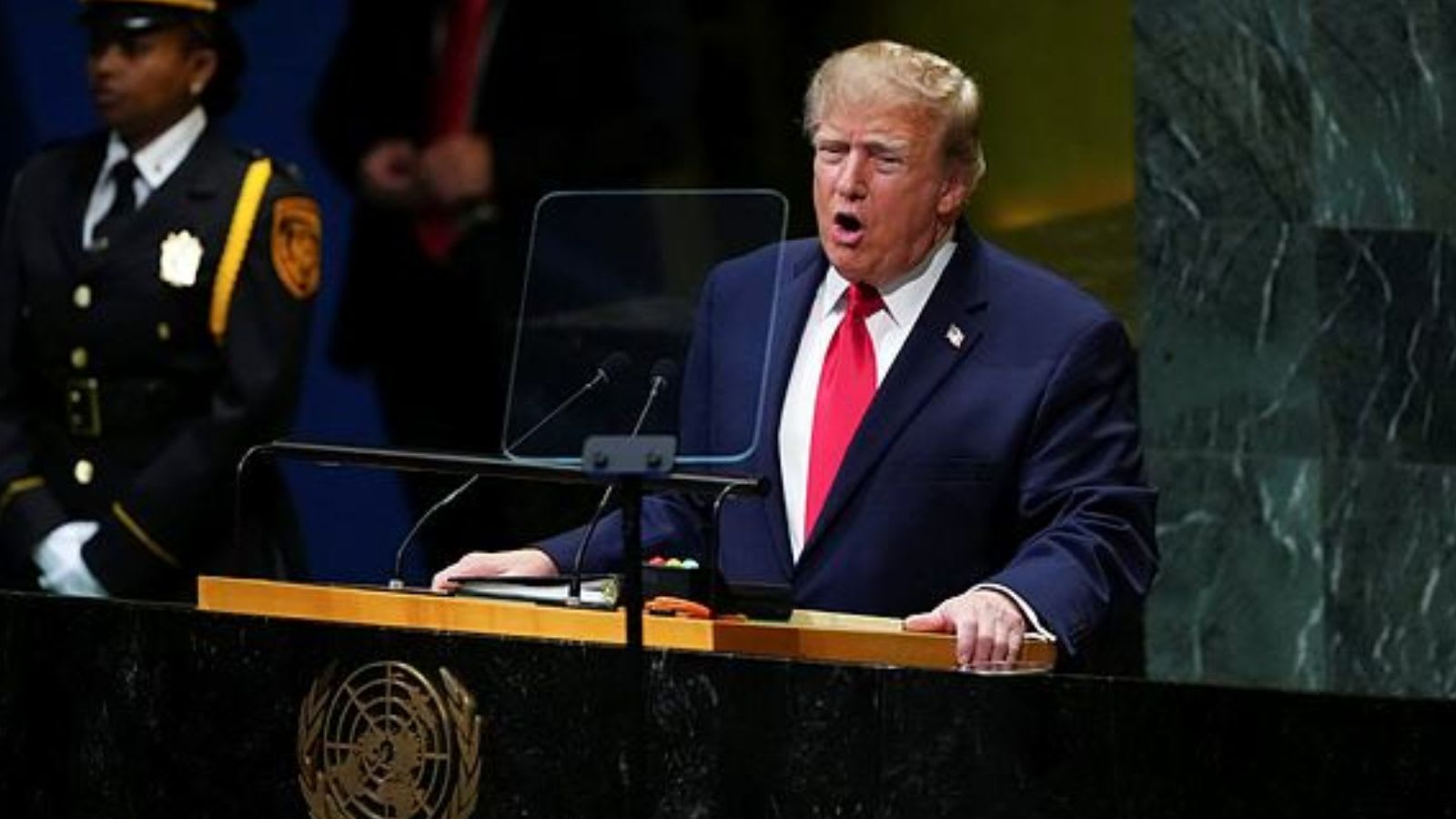
OpenAI and Anthropic CEOs have urged the UN to adopt international AI safety standards and slow development. This push for global cooperation faces domestic resistance from Trump-aligned advisors who reject international regulatory frameworks.
A Global Call for AI Governance
In a landmark session at the United Nations Security Council, the leadership of the world’s most prominent artificial intelligence firms—including Sam Altman of OpenAI, Dario Amodei of Anthropic, and Clement Delangue of Hugging Face—made a unified appeal for international coordination. Recognizing the existential and societal risks posed by rapid technological advancement, these executives argued that the current trajectory of AI development necessitates a departure from purely competitive commercial interests in favor of a global safety framework.
The Necessity of Collective Action
Sam Altman’s address emphasized a historical precedent: even nations with deep-seated geopolitical rivalries have historically found common ground when confronted with transformative, high-stakes technologies. By framing AI as a shared global challenge, the industry leaders are attempting to shift the narrative from a 'race to the bottom' regarding safety, toward a collaborative effort to establish universal risk evaluation standards. This shift is critical as the capabilities of frontier models continue to outpace the regulatory infrastructure of individual nation-states.
Solidarity Amid Competition
The alignment between OpenAI and Anthropic is particularly noteworthy given their status as primary industry rivals. Dario Amodei’s recent proposal to intentionally slow the pace of AI development has served as a catalyst for this movement, receiving rare public endorsement from Altman. This consensus suggests that the companies recognize that the potential for catastrophic failure or societal disruption is a shared vulnerability that no single firm can solve in isolation.
The Friction of Domestic Politics
However, the path to global regulation is far from clear. The proceedings at the UN highlighted a sharp divide, as key technology advisors to President Donald Trump, such as Michael Kratsios, pushed back against the proposed international oversight. Dismissing such initiatives as a 'globalist scheme,' this faction advocates for a hands-off approach to development, prioritizing economic and technological hegemony over international standardization. This domestic friction creates a volatile environment for global policy.
Evaluating the Risks and Future Trends
While advisors like Kratsios acknowledge that the speed of development is increasing and that inherent risks exist, they remain deeply skeptical of any framework that limits domestic innovation. The future of AI governance will likely be defined by this tension between the 'slow-down' advocates who prioritize long-term human safety and the 'innovation-first' proponents who fear that regulation will cede technological superiority to competing nations. As the debate continues, the UN remains the primary stage for determining whether a consensus on safety, rather than unbridled competition, will dictate the next era of computing.