These camera apps give you more control over the iPhone 18 Pro’s aperture
Source Entity
Andrew Liszewski
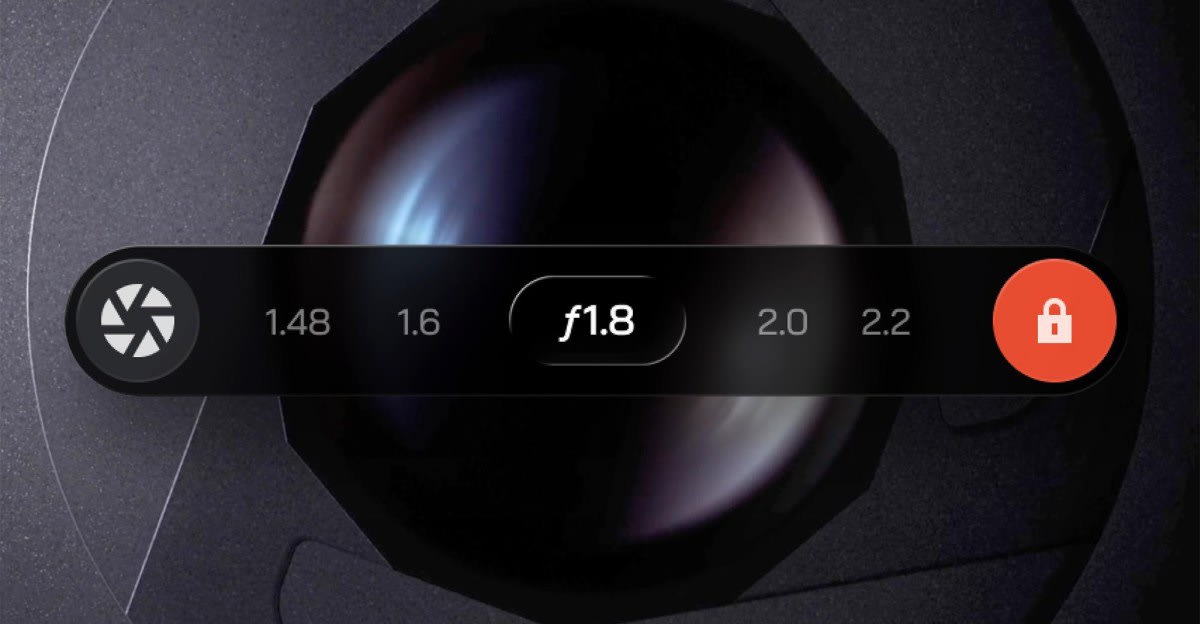
The iPhone 18 Pro's native camera app restricts users to four specific aperture settings despite the hardware's greater potential. Third-party applications like BlackMagic Camera unlock more granular control, bypassing these artificial software limitations.
Unlocking the Full Potential of the iPhone 18 Pro Aperture
The introduction of a variable aperture on the iPhone 18 Pro marks a significant milestone in mobile photography, bringing a feature once reserved for dedicated mirrorless and DSLR cameras to the smartphone ecosystem. However, early reports indicate a disconnect between the hardware's capabilities and the software's implementation. Users currently find themselves restricted to four specific f-stop settings—f/1.48, f/1.8, f/2.8, and f/4—when using the native iOS camera application.
The Software-Hardware Disparity
While the iPhone 18 Pro’s optical hardware is physically capable of more nuanced adjustments, the native camera app imposes a rigid, quantized control scheme. This limitation is present both in manual mode and during automated iris adjustments, essentially creating a 'software bottleneck.' For professional photographers and enthusiasts who rely on precise depth-of-field control and light management, this restriction limits the creative utility of the new sensor technology.
The Role of Apple's SDK
Crucially, this limitation is not a physical constraint of the lens mechanism itself. Technical analysis confirms that Apple’s Software Development Kit (SDK) provides the necessary hooks for third-party developers to access the aperture controller with much higher granularity. This reveals a strategic choice by Apple to prioritize a streamlined, simplified user experience in the native app, potentially at the expense of advanced manual control.
Third-Party Solutions and Innovation
In response to these software-imposed barriers, the third-party developer community has stepped in to bridge the gap. Apps like the BlackMagic Camera app have demonstrated that the hardware can support a wider range of adjustments than the native interface suggests. By utilizing the available SDK tools, these applications allow users to bypass the four-setting restriction, offering the granular control that advanced users demand.
Broader Implications for Mobile Photography
The trend of software-limited hardware is a common theme in the evolution of mobile technology. As smartphone cameras move closer to professional equipment in terms of physical complexity, the software layer becomes the primary battleground for user control. This situation highlights a growing divergence between 'consumer-grade' software, which favors simplicity, and 'pro-grade' software, which favors control. As more apps integrate these advanced controls, users are likely to shift away from native applications for high-stakes photography.
Conclusion
Ultimately, the iPhone 18 Pro represents a powerful leap in mobile imaging, but its full potential is currently gated by the native iOS software. While casual users may find the four-setting limit sufficient, the emergence of third-party alternatives proves that the hardware is capable of much more. Moving forward, we can expect a continued reliance on third-party developers to unlock the true power of Apple’s evolving camera systems.