FBI arrests Saudi OpenAI employee who allegedly planted recording device in conference room
Source Entity
US Top News and Analysis
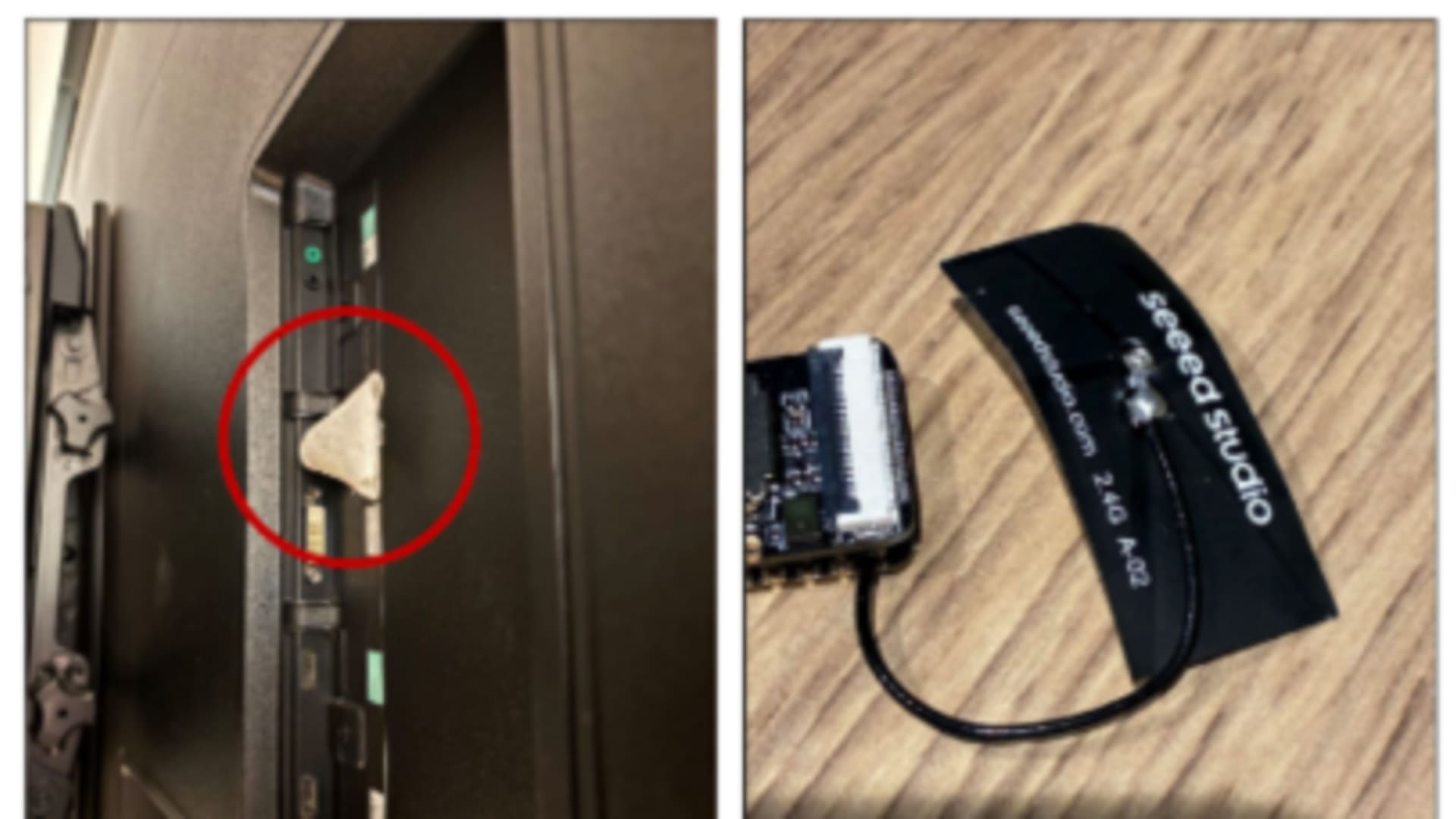
OpenAI employee Abdulrahman Alfozan has been arrested and charged with planting a sophisticated recording device in the company's executive conference room. Federal authorities allege the scheme aimed to intercept sensitive communications regarding the firm's super-intelligence technology.
Breach of Trust: The OpenAI Surveillance Incident
On October 9, federal authorities arrested Abdulrahman Alfozan, a 35-year-old Saudi national and engineer at OpenAI, following the discovery of a covert recording device in the company's San Francisco executive conference room. The incident, which has sent shockwaves through the artificial intelligence sector, highlights the extreme vulnerability of high-stakes technology firms as they lead the global race toward super-intelligence.
The Mechanics of the Espionage Attempt
According to the Department of Justice, the device was found inserted into a USB port on the back of a television set within the secure meeting space. Disguised by being wrapped in toilet paper, the equipment was described as a "sophisticated recording device." OpenAI officials reported that the hardware featured advanced encryption, remote audio monitoring, and specific data-transfer mechanisms engineered to bypass standard internal network security protocols.
AI as a Forensic Tool
In a notable twist, OpenAI disclosed that it utilized its own internal AI models to investigate the breach. By analyzing behavioral data and digital footprints, the company was able to trace the installation of the device back to Alfozan. This reflects a growing trend where tech companies are increasingly relying on their own proprietary machine learning tools to conduct internal security audits and counter-intelligence operations.
Motives and Strategic Implications
FBI Director Kash Patel stated that the alleged scheme was designed to capture sensitive communications regarding the company’s "super intelligence technology." Given that OpenAI is currently at the forefront of generative AI development, the potential theft of strategic roadmaps or intellectual property could have had catastrophic consequences for the company’s market position. The incident underscores the intense geopolitical and commercial interest in the AI sector, where proprietary research is often viewed as a national security asset.
Broader Industry Context
This event occurs at a time when OpenAI and its competitors are under unprecedented scrutiny regarding safety, data privacy, and security practices. The fact that an insider was able to physically breach an executive-level space poses difficult questions for the industry regarding "insider threat" protocols. While OpenAI has stated there is no indication that source code or model weights were compromised, the breach of executive communication channels remains a significant security failure.
Conclusion and Future Outlook
Abdulrahman Alfozan has been charged with the unauthorized interception of oral communications. As the investigation continues, the tech industry is likely to see a tightening of physical security measures within sensitive R&D facilities. This incident serves as a stark reminder that as AI companies continue to develop systems of increasing power, they must contend with not only external cyber-attacks but also the sophisticated risks posed by internal actors seeking to influence the trajectory of global technological development.