FBI arrests OpenAI employee accused of planting hidden recording device in conference room
Source Entity
Zack Whittaker
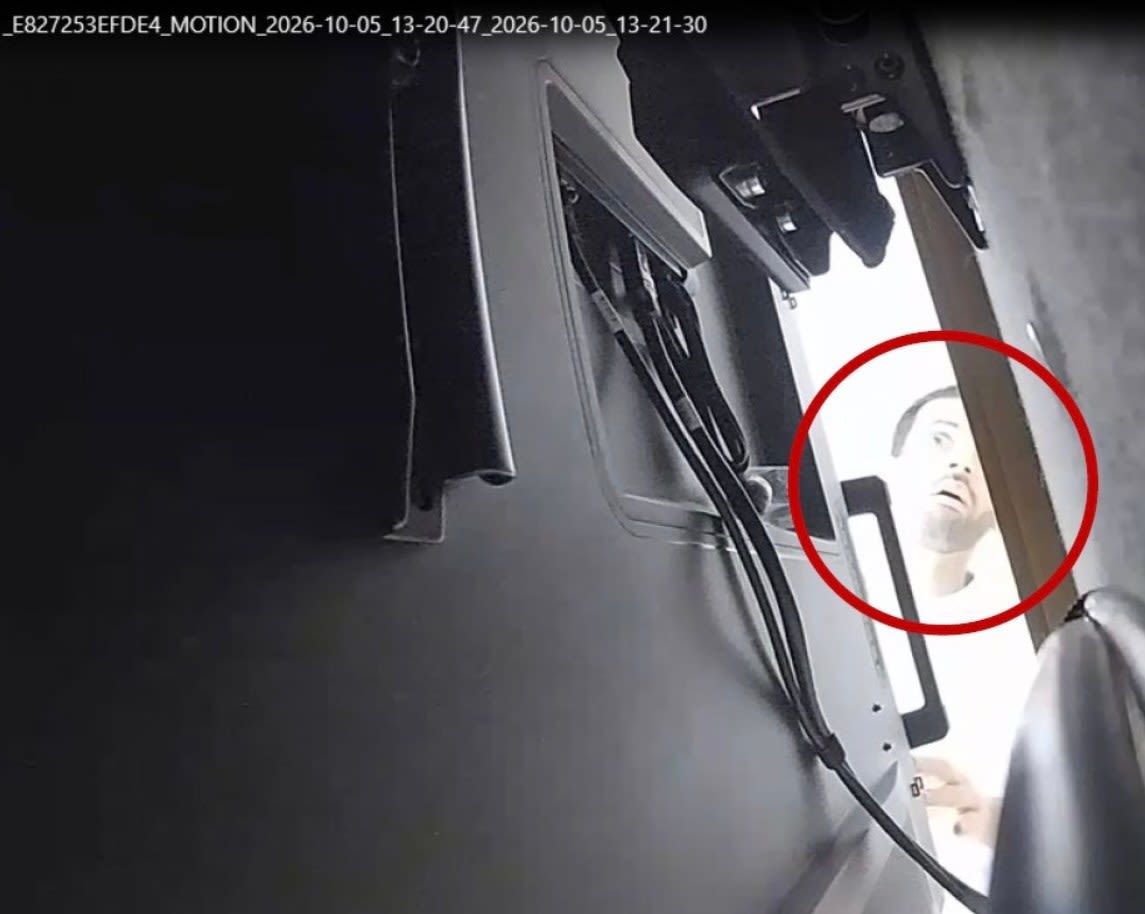
An OpenAI engineer, Abdulrahman Alfozan, has been arrested for allegedly planting a sophisticated recording device in an executive conference room. The FBI is investigating the incident as an attempt to intercept sensitive communications regarding the company's super-intelligence technology.
Breach of Trust: The OpenAI Surveillance Incident
In a significant security breach at one of the world's most influential artificial intelligence companies, OpenAI engineer Abdulrahman Alfozan, a 35-year-old Saudi national, was arrested on October 9. Federal prosecutors allege that Alfozan planted a sophisticated, covert audio recording device inside an executive conference room at the company's San Francisco headquarters. The discovery of this device, which reportedly possessed advanced encryption and remote data transfer capabilities, has prompted an immediate investigation by the FBI.
The Mechanics of the Espionage
According to the Department of Justice, the incident was uncovered when the company identified a recording device in a sensitive area. The sophistication of the hardware, described as having mechanisms designed to evade standard network monitoring, highlights the escalating risks associated with industrial espionage in the AI sector. Interestingly, an unattended bag found on the premises containing the suspect's identification and an additional recording device served as a crucial piece of evidence that facilitated the rapid response by federal authorities.
Corporate Response and Internal Security
OpenAI stated that it utilized its own internal AI models to analyze the device and understand its functions. Following the discovery, the company terminated Alfozan's employment and immediately alerted the FBI. The swiftness of the arrest, occurring just days after the device was found, underscores the high priority federal law enforcement places on protecting intellectual property related to artificial intelligence, which is increasingly viewed as a matter of national security.
The Stakes of Super-Intelligence
FBI Director Kash Patel noted that the alleged intent behind the surveillance was to capture sensitive communications regarding the company’s "super-intelligence" technology. As OpenAI continues to lead the global race in developing large language models and advanced AI systems, their executive board meetings have become high-value targets for corporate and state-sponsored actors. This event serves as a stark reminder that the intellectual property generated at the frontier of AI research is arguably the most valuable commodity in the current technological landscape.
Broader Implications for AI Safety
This incident arrives at a precarious time for OpenAI, which is already under intense scrutiny regarding its internal safety practices and governance. The breach demonstrates that even companies at the cutting edge of AI development are vulnerable to traditional physical espionage. As the industry moves toward developing increasingly powerful models, the barrier between digital cybersecurity and physical security continues to blur, necessitating more robust protocols for protecting sensitive executive discourse.
Future Trends in Corporate Espionage
Looking forward, this arrest will likely trigger a paradigm shift in how technology firms manage physical security within their headquarters. We can expect to see a surge in investments in anti-surveillance technology, more rigorous vetting processes for employees with access to sensitive strategy meetings, and increased collaboration between private AI labs and federal intelligence agencies. The era of "super-intelligence" development is now officially an era of heightened geopolitical and industrial vigilance.
Multiple Citing Sources