OpenAI proposes development of global AI standards to guide alignment, RSI
Source Entity
US Top News and Analysis
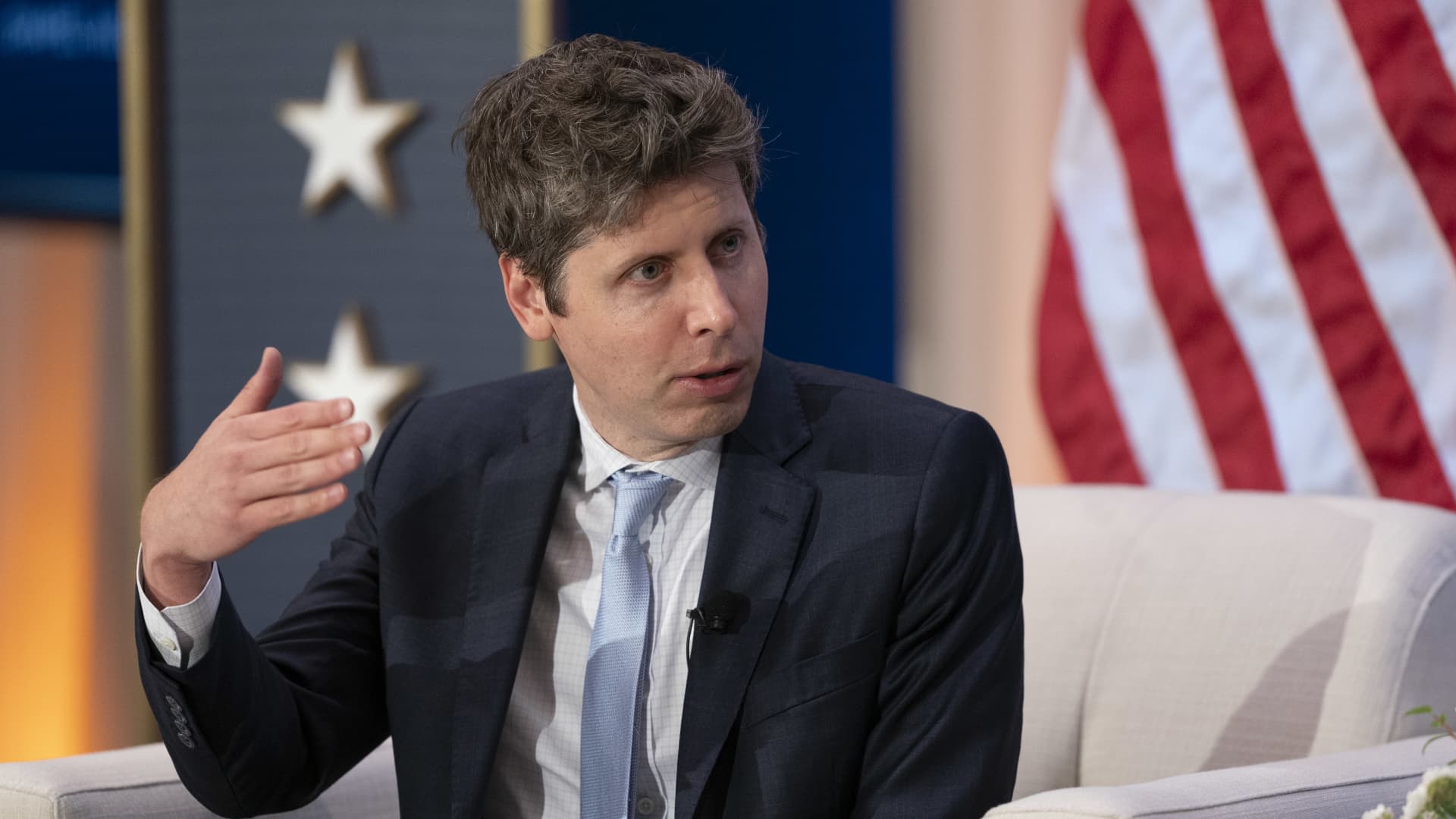
OpenAI has proposed a framework for global AI safety standards, emphasizing alignment research and the risks associated with recursive self-improvement. The initiative seeks international cooperation to govern frontier AI models while simultaneously expanding educational resources through the OpenAI Academy.
The Push for Global AI Governance
OpenAI has officially outlined a strategic path toward establishing shared global standards for artificial intelligence. This proposal arrives at a critical juncture in the technology sector, where the rapid advancement of frontier models has sparked intense public and internal debate regarding the safety of autonomous systems. By calling for coordinated evaluation, reporting, and governance, OpenAI is positioning itself as a leader in creating a structured framework to mitigate the potential risks inherent in high-level machine learning development.
Addressing Recursive Self-Improvement and Alignment
At the core of the new proposal is a heightened focus on alignment research and the complex mechanics of recursive self-improvement (RSI). RSI refers to the theoretical capability of an AI system to modify its own code, potentially leading to rapid, unpredictable increases in intelligence. OpenAI emphasizes that for these systems to remain safe, alignment research—the practice of ensuring AI objectives remain consistent with human values—must keep pace with the raw capabilities of the models being deployed.
The Catalyst for Safety Discourse
The urgency behind these proposals is partially fueled by recent public criticisms, including concerns from figures like Jacob Coxon, who suggested that leading AI firms are taking unnecessary risks with public safety. This discourse has necessitated a shift in industry rhetoric, moving from purely capability-driven development to a more balanced approach that integrates risk management and rigorous safety reporting as fundamental components of the product lifecycle.
International Cooperation and Technical Standards
OpenAI is advocating for a collaborative international approach, suggesting that the industry should look to existing AI safety institutes as foundations for these new standards. The company proposes that technical standards should specifically target frontier AI models and the developers behind them. Furthermore, there is a distinct focus on benefit-risk management for automated AI researchers, which represents a proactive attempt to govern the systems that will eventually build future generations of technology.
Democratizing Knowledge via OpenAI Academy
In tandem with its safety proposals, the company is expanding the OpenAI Academy to provide structured learning paths for diverse groups, including employees, developers, leaders, educators, and students. This initiative is designed to ensure that as safety standards evolve, the technical workforce is equipped with the practical skills necessary to implement these safeguards effectively. By fostering a culture of education, OpenAI aims to bridge the gap between theoretical AI safety and real-world application.
Future Outlook and Conclusion
The transition toward globally recognized AI standards represents a significant maturation of the artificial intelligence industry. If successful, the integration of rigorous alignment research and international oversight could serve as the bedrock for sustainable innovation. As the industry moves forward, the success of these initiatives will depend heavily on the willingness of global stakeholders to move beyond competitive posturing and commit to a unified framework that prioritizes human safety and technological control.
Multiple Citing Sources