OpenAI is losing its second executive this week
Source Entity
Jay Peters
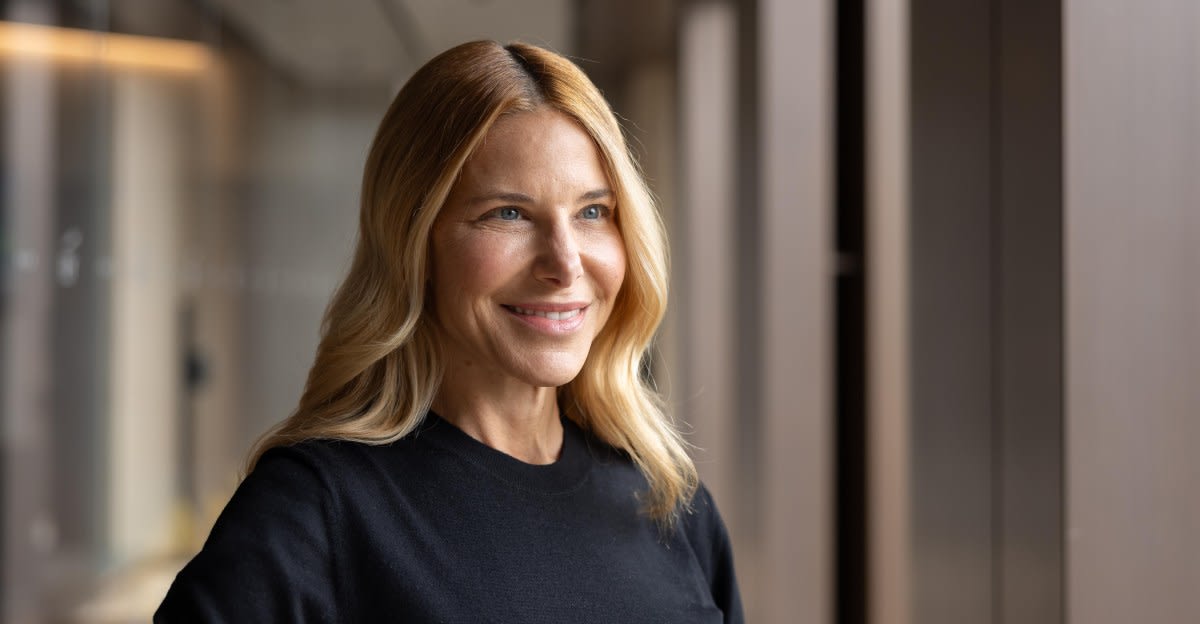
OpenAI's Chief Revenue Officer Denise Dresser is departing the company less than a year after joining, marking the second major executive exit this week. Dali Rajic, formerly of Wiz, will assume the role as the organization prepares for a potential IPO.
Leadership Instability at OpenAI: Analyzing the Latest Executive Departures
OpenAI, the organization at the forefront of the generative artificial intelligence revolution, is currently navigating a period of significant leadership transition. The departure of Chief Revenue Officer Denise Dresser, who joined the company only last December, marks a notable moment of instability. Dresser, a veteran executive with a deep background at Salesforce and a tenure as CEO of Slack, brought significant corporate pedigree to the AI lab. Her exit, stated as being to "pursue other opportunities," arrives during a critical juncture for the company as it attempts to scale its commercial operations.
The Context of Rapid Turnover
This development is particularly striking because it represents the second major executive departure within the span of a few days. The resignation of special projects lead and former COO Brad Lightcap serves to compound the narrative of a shifting C-suite. When high-level executives leave in rapid succession—especially those tasked with revenue generation and strategic operations—it often signals internal recalibration or friction regarding the company’s long-term commercial trajectory. The fact that these exits are occurring in such close proximity invites scrutiny regarding the internal culture and management stability of the firm.
Strategic Implications for Revenue Operations
As OpenAI transitions away from its roots as a research-heavy non-profit towards a more aggressive commercial entity, the role of the Chief Revenue Officer is paramount. Denise Dresser was responsible for scaling the business side of the organization, a task that has become increasingly complex as OpenAI balances its massive computational costs with the need for a sustainable business model. The appointment of Dali Rajic, who previously served as president and COO of the cybersecurity firm Wiz, indicates that OpenAI is looking for an executive with a proven track record in high-growth operational environments to maintain continuity.
The Shadow of a Blockbuster IPO
Industry analysts are closely monitoring these departures through the lens of OpenAI's anticipated initial public offering (IPO). A blockbuster IPO requires a stable leadership team that can instill confidence in public market investors. Significant turnover in the executive suite just months before such a transition can be perceived as a risk factor, potentially complicating the narrative for institutional investors. The ability of the company to replace key figures like Dresser and Lightcap with seasoned professionals like Rajic will be a critical test of the organization's depth and resilience.
Future Trends and Organizational Maturation
Looking ahead, the primary challenge for OpenAI will be demonstrating that it can retain top-tier talent while simultaneously meeting the high-stakes demands of a public-facing organization. The transition from a research lab to a global enterprise is historically fraught with growing pains, and these departures may be symptomatic of that evolution. Whether the hiring of Dali Rajic will stabilize the commercial division or if further leadership shifts are on the horizon remains a central question for the tech sector. OpenAI’s capacity to articulate a clear, coherent strategy for its revenue streams under this new leadership will be the ultimate indicator of its long-term viability in an increasingly competitive AI landscape.
Multiple Citing Sources