Forest Department begins operations to tranquilize wild elephant Chakkakompan
Source Entity
India Latest News: Top National Headlines Today & Breaking News | The Hindu
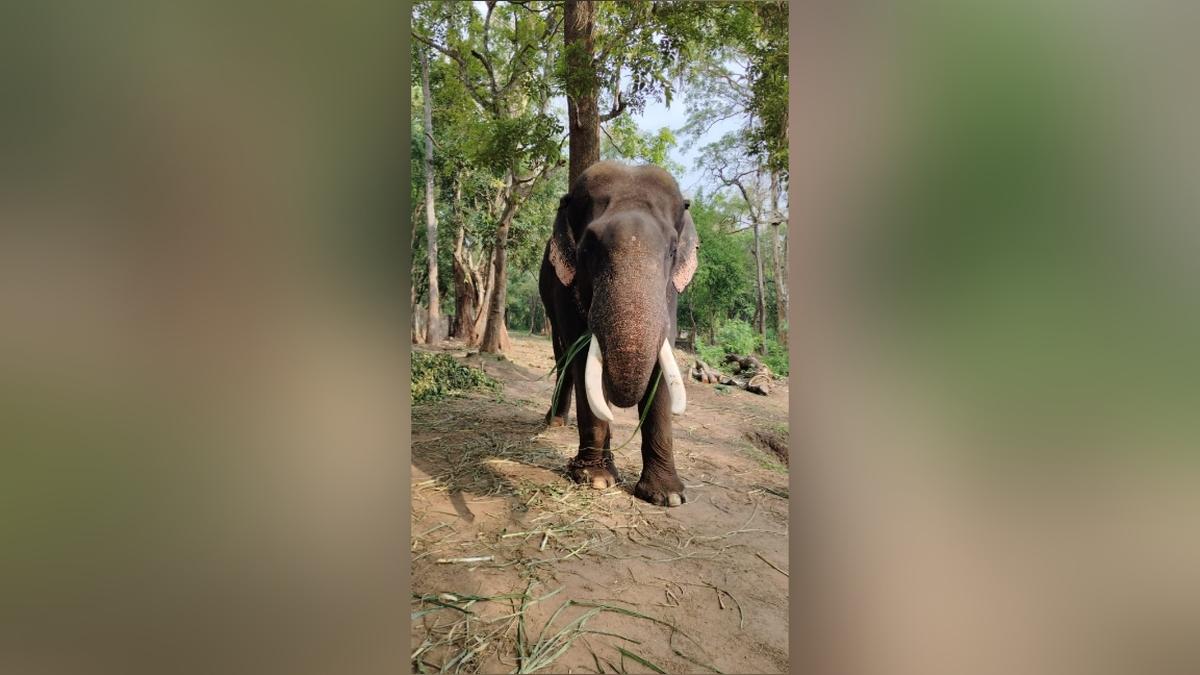
The Kerala Forest Department has launched an operation in Chinnakkanal to tranquilize and radio-collar a wild elephant named Chakkakompan. A specialized 21-member team and two trained Kumki elephants are managing the mission to monitor the tusker's movements.
Operation Chakkakompan: Managing Human-Wildlife Conflict in Idukki
The Mission Begins
The Kerala Forest Department has officially launched a critical operation in the Chinnakkanal region of the Devikulam forest range to tranquilize and radio-collar a wild tusker known as Chakkakompan. This intervention, overseen by Chief Conservator of Forests D.K. Vinod Kumar, represents a strategic move to manage the movements of the elephant in an area known for recurring human-wildlife interactions.
Tactical Deployment and Expertise
To ensure the operation's success, a specialized 21-member team has been dispatched from Wayanad, bringing significant expertise in wildlife management and large mammal handling. Central to this mission are Vikram and Bharat, two trained Kumki elephants, which arrived on November 23, 2026. These animals are essential for providing support to the forest staff, as they help control the environment and manage the wild elephant during the delicate tranquilization process.
Logistical Challenges and Safety Protocols
The Forest Department has established a dedicated camp office at Cement Palam, serving as the command center for the mission. The technical complexity of this operation cannot be overstated; officials have emphasized that the darting process must occur in a location free of water bodies to prevent the elephant from drowning or suffering injury while sedated. This safety-first approach is a hallmark of modern wildlife conservation efforts in the state.
Strategic Monitoring through Radio-Collaring
The primary objective of fitting Chakkakompan with a radio collar is to enable real-time tracking of the animal. By monitoring the tusker’s migration patterns and proximity to human settlements, the Forest Department aims to transition from reactive crisis management to proactive mitigation. This data-driven approach is vital for long-term regional stability, allowing for early warnings and reduced conflict between the wild tusker and local communities.
Environmental and Future Outlook
As the team prepares for the operation, the timeline remains fluid, pending the natural movements of the elephant. The use of radio collars is increasingly becoming a standard tool in Kerala’s wildlife management arsenal, allowing authorities to better understand the territorial habits of megafauna in a landscape that is increasingly fragmented by development. The success of this operation will likely serve as a blueprint for future wildlife management initiatives in the Idukki district.
Conclusion
The mission to radio-collar Chakkakompan underscores the ongoing commitment of the Kerala Forest Department to balance wildlife conservation with the safety of residents in the Devikulam range. By combining traditional knowledge, such as the use of Kumki elephants, with modern technology like radio telemetry, the authorities are taking necessary steps to ensure that both the elephant and the local human population can coexist in a more managed, predictable environment.
Verification Required?