Oura files for IPO amid Americans’ obsession with tracking their sleep, steps and heart rates
Source Entity
Jaimy Lee
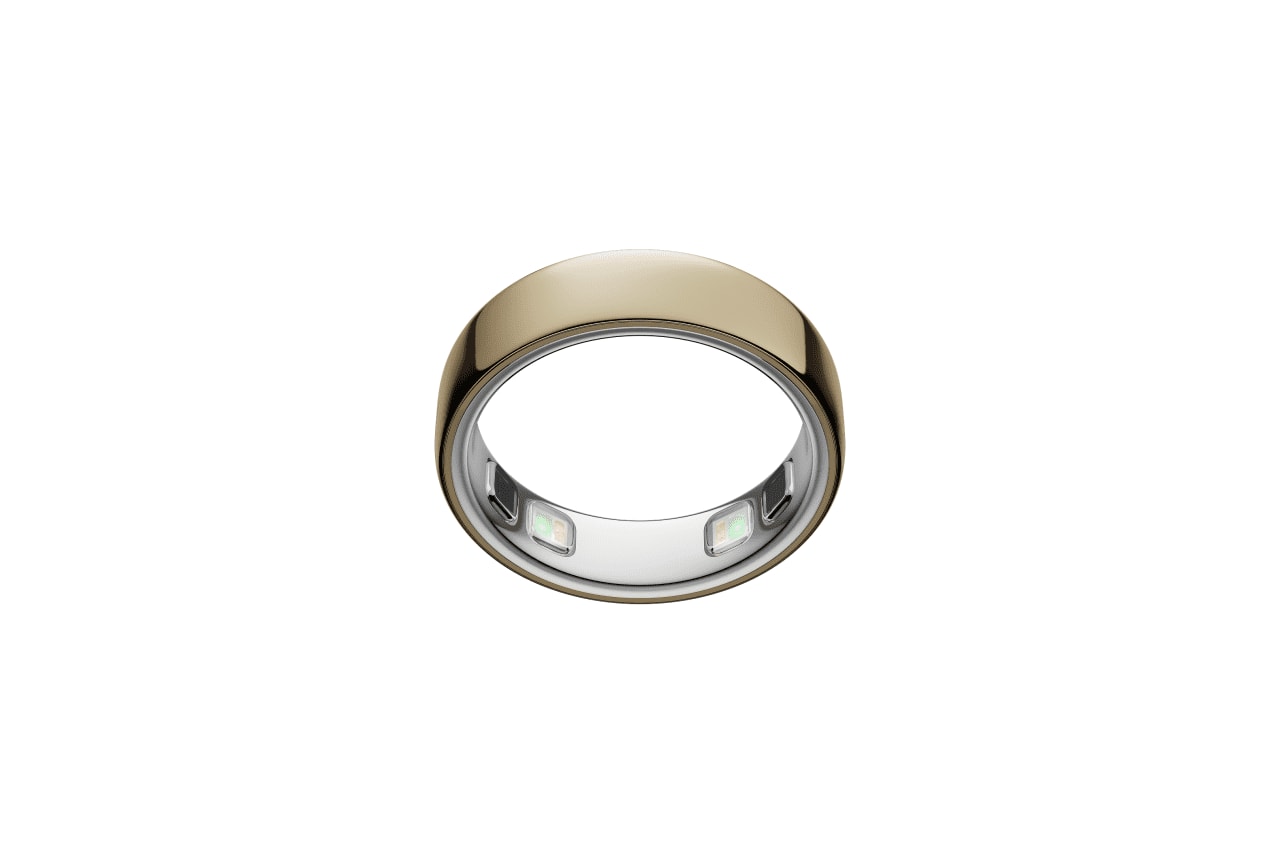
Oura has officially filed for an IPO following a period of explosive revenue growth and a surge in wearable device adoption. The company's transition to public status highlights the growing consumer demand for preventative health tracking technology.
The Rise of Oura: A Public Offering in the Wearables Sector
Oura, the prominent manufacturer of smart rings, has officially filed for an initial public offering (IPO) with the Securities and Exchange Commission. This move marks a significant milestone for the company, which has capitalized on the growing American obsession with biometric monitoring, including sleep patterns, step counts, and heart rate variability. By transitioning to a public entity, Oura aims to solidify its position as a leader in the intersection of consumer technology and personal health management.
Financial Performance and Market Growth
The financial data provided in the SEC filing underscores a period of extraordinary growth for the company. Oura reported a substantial revenue increase, jumping from $697 million in the nine-month period ending June 30 of the previous year to $1.2 billion for the same period this year. Furthermore, the company has demonstrated a consistent upward trajectory, having generated $500 million in 2024 and approximately $1 billion in 2025, with internal expectations pointing toward $2 billion in revenue for the current year.
Scaling the User Base
The company’s operational scale is equally impressive, with 3.6 million rings sold over the past year alone. A core component of Oura's business model is its subscription-based service, which provides users with deeper insights into their health metrics. The filing reveals that the company currently maintains approximately 5 million paid members, suggesting a robust "sticky" ecosystem that encourages long-term engagement with their platform.
The Shift Toward Preventative Healthcare
Oura’s IPO is emblematic of a broader cultural and economic shift toward 'preventative healthcare.' Consumers are increasingly looking to wearable technology not just as fitness trackers, but as proactive tools to manage their overall well-being. By providing continuous data streams on physiological health, Oura has successfully tapped into the demand for data-driven personal health optimization, a trend that investors are finding increasingly attractive.
Future Implications and Market Trends
As Oura enters the public market, it faces the challenge of sustaining this rapid growth in an increasingly crowded wearables landscape. The company's ability to convert hardware sales into long-term subscription revenue will be a key metric for public market investors. The success of this IPO may also signal a wider appetite for health-tech investments, potentially paving the way for other companies in the digital health sector to follow suit.
Conclusion
In summary, Oura’s filing for an IPO represents a pivotal moment for the wearable technology market. With strong financial results, a growing user base, and a clear alignment with the consumer health movement, the company is well-positioned to leverage its market share as it enters the public sphere. The coming months will be critical as Oura balances its rapid expansion with the demands of public transparency and investor expectations.
Verification Required?