Oura publicly files for initial public offering, looks to raise $2.2 billion
Source Entity
Yahoo Finance
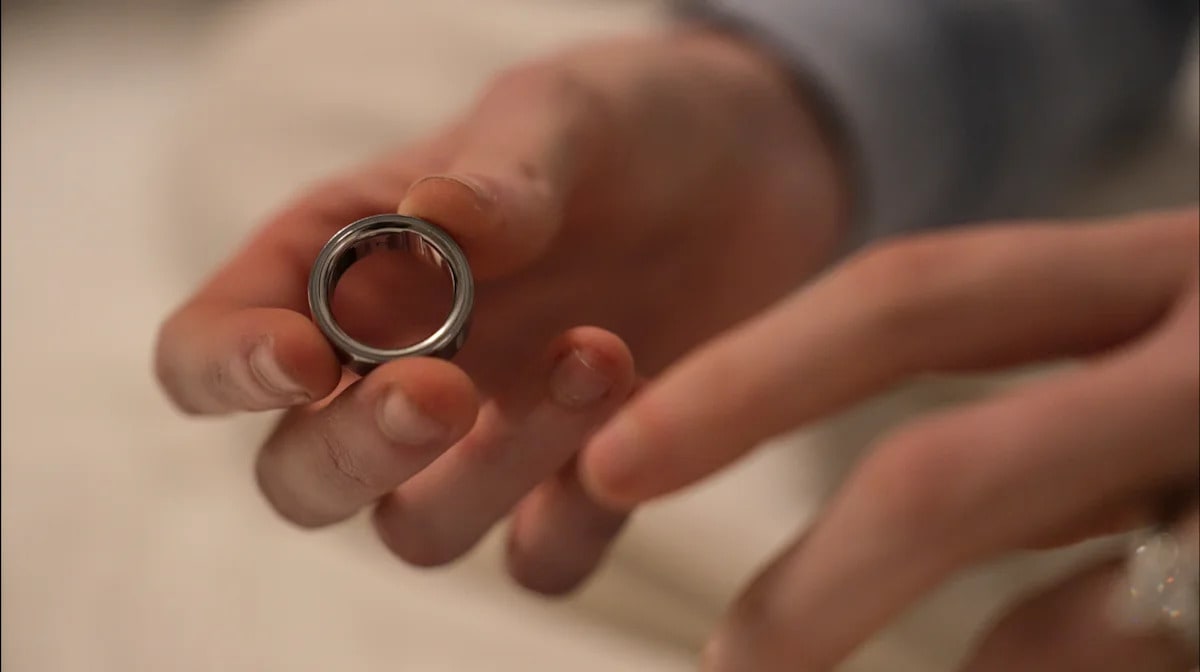
Finnish wearable tech company Oura has filed for an IPO aiming to raise $2.2 billion. While revenue has grown significantly, the offering is primarily driven by existing shareholders like Forerunner Ventures cashing out their stakes.
Oura Announces IPO: A Deep Dive into the Wearable Tech Giant
Finnish-based health technology firm Oura, widely known for its signature smart ring, has officially initiated the process for an initial public offering (IPO). The company plans to raise up to $2.2 billion by listing 50 million shares on the Nasdaq exchange under the ticker symbol "OURA." This move marks a significant milestone for the wearable technology sector, which has seen explosive growth as consumers become increasingly focused on biometric data and health monitoring.
Financial Performance and Market Growth
According to the IPO filings, Oura has demonstrated aggressive growth in both sales and revenue. For the nine-month period ending June 30, the company reported $1.2 billion in revenue, a substantial increase from the $697 million reported during the same period the previous year. Furthermore, the volume of units sold has more than doubled, reaching 4.1 million rings compared to 1.8 million in the prior year. Despite this rapid scaling and the popularity of the Oura Ring 5, which retails between $399 and $499, the firm reported a net loss of $924 million, highlighting the high costs associated with rapid expansion and market acquisition.
The Dynamics of the Offering
While the headline figure of $2.2 billion is substantial, the structure of the IPO reveals a more nuanced reality regarding shareholder intentions. Of the 50 million shares being offered within the price range of $40 to $44, nearly two-thirds—approximately 36.5 million shares—are being sold by existing shareholders rather than the company itself. This indicates that the IPO serves as a significant liquidity event for early investors looking to capitalize on the company's valuation.
Strategic Exit for Venture Capital
One of the most notable aspects of this filing is the exit strategy of Forerunner Ventures. As the company’s second-largest shareholder, Forerunner intends to sell its entire 9.3% stake in the firm. If the IPO reaches the midpoint price of $42 per share, shareholders stand to gain approximately $1.53 billion, while Oura itself would receive roughly $567 million before expenses. This distribution of proceeds underscores the role of venture capital in the lifecycle of high-growth tech firms, where early-stage backers seek profitable exits as the company transitions to the public markets.
Implications for the Wearable Industry
Oura's entry into the public market reflects the broader trend of consumer-facing health devices becoming household staples. The success of the Oura Ring suggests that the market for non-intrusive, continuous health monitoring—tracking metrics like sleep, activity, and recovery—has reached a critical mass. However, the company’s net loss suggests that investors will be closely scrutinizing its path to profitability post-IPO, especially as competition in the wearable health space intensifies from both established tech giants and emerging startups.
Conclusion and Future Outlook
As Oura prepares to list on the Nasdaq, the market will be watching closely to see if the company can maintain its current growth trajectory while effectively managing its bottom line. While the IPO provides a massive influx of capital for the company's future operations, the reliance on shareholder liquidation suggests that the stock's performance will be a bellwether for investor sentiment toward the wearable tech sector. The upcoming transition to public trading will ultimately determine whether Oura can leverage its popularity into a sustainable, profitable business model in an increasingly crowded health-tech landscape.