Get over your fear of haggling — and start saving real money
Source Entity
Genna Contino
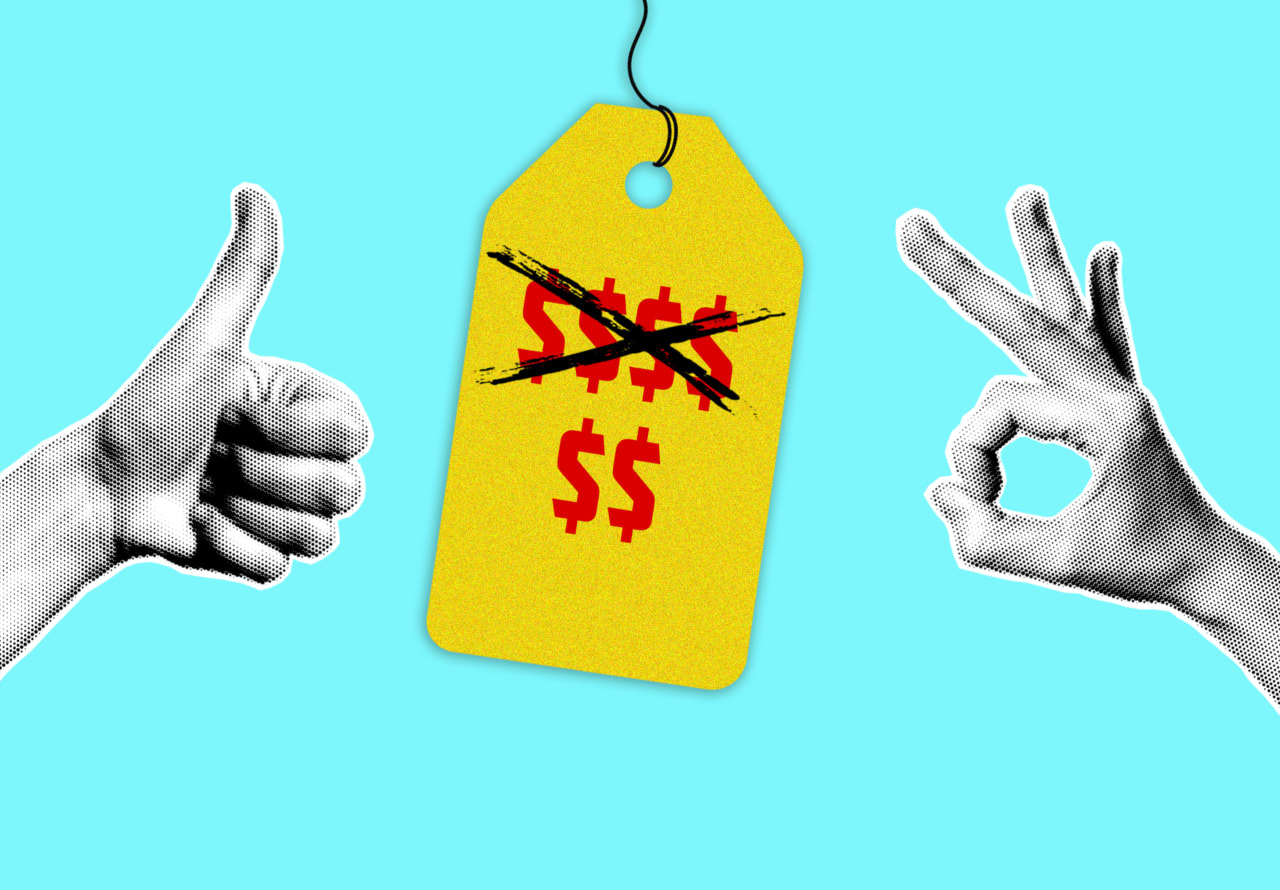
Negotiation is a powerful tool for personal finance that is often underutilized due to social anxiety. By normalizing the act of asking for lower prices, consumers can achieve significant long-term savings.
The Art of the Ask: Why Negotiation Remains a Vital Financial Skill
In an era of fixed pricing and automated retail, the ancient art of haggling has largely faded from the consumer consciousness. However, the fundamental principle remains: if you ask for a lower price, the worst-case scenario is a simple refusal. This reality highlights a significant psychological barrier that prevents many individuals from optimizing their personal finances. Moving past the fear of rejection is the first step toward reclaiming agency in commercial transactions.
Overcoming the Psychological Barrier
Many consumers feel a sense of social discomfort when attempting to negotiate, often fearing that asking for a discount is perceived as rude or desperate. This social anxiety is a primary deterrent, yet it is entirely unfounded in a transactional context. By reframing negotiation as a standard business practice rather than a social confrontation, individuals can detach their personal identity from the request. When a merchant says no, it is rarely a reflection of the buyer's character, but rather a reflection of the business's current profit margins or store policies.
The Economic Impact of Small Negotiations
While saving a few dollars on a single transaction may seem trivial, the cumulative effect of consistent negotiation is substantial. Over the course of a year, applying this strategy to various purchases—from utility contracts and insurance premiums to larger retail items—can lead to significant capital retention. By consistently seeking value, the consumer forces the market to compete for their business, effectively lowering their personal cost of living.
Shifting the Retail Paradigm
Modern retail environments often rely on the assumption that consumers will accept the ticket price without question. This passive behavior benefits the retailer at the expense of the buyer's financial health. By actively engaging in the negotiation process, buyers signal to the marketplace that price sensitivity remains a driving force in consumer behavior. This push-back creates a more dynamic economic environment where pricing power is shared between the seller and the purchaser.
Strategic Approaches to Haggling
Success in negotiation is rarely about aggression; rather, it is about timing and preparation. Understanding the context of the sale, such as whether an item is damaged, nearing its expiration, or has been sitting in inventory for an extended period, provides the leverage needed to make a reasonable request. When a consumer approaches a negotiation with respect and clear intent, the likelihood of a positive outcome increases, turning a potential 'no' into a mutually beneficial agreement.
Conclusion: A Habit of Saving
Ultimately, the ability to negotiate is a learned skill that pays dividends over a lifetime. By internalizing the fact that the worst outcome is merely a 'no,' consumers can strip away the fear that hinders their financial growth. Embracing negotiation is not just about saving money; it is about becoming a more informed and empowered participant in the global economy.
Verification Required?