Pakistan’s year of pacts and India’s long game
Source Entity
Latest News: Todays Latest News Headlines from India & World | Hindustan Times
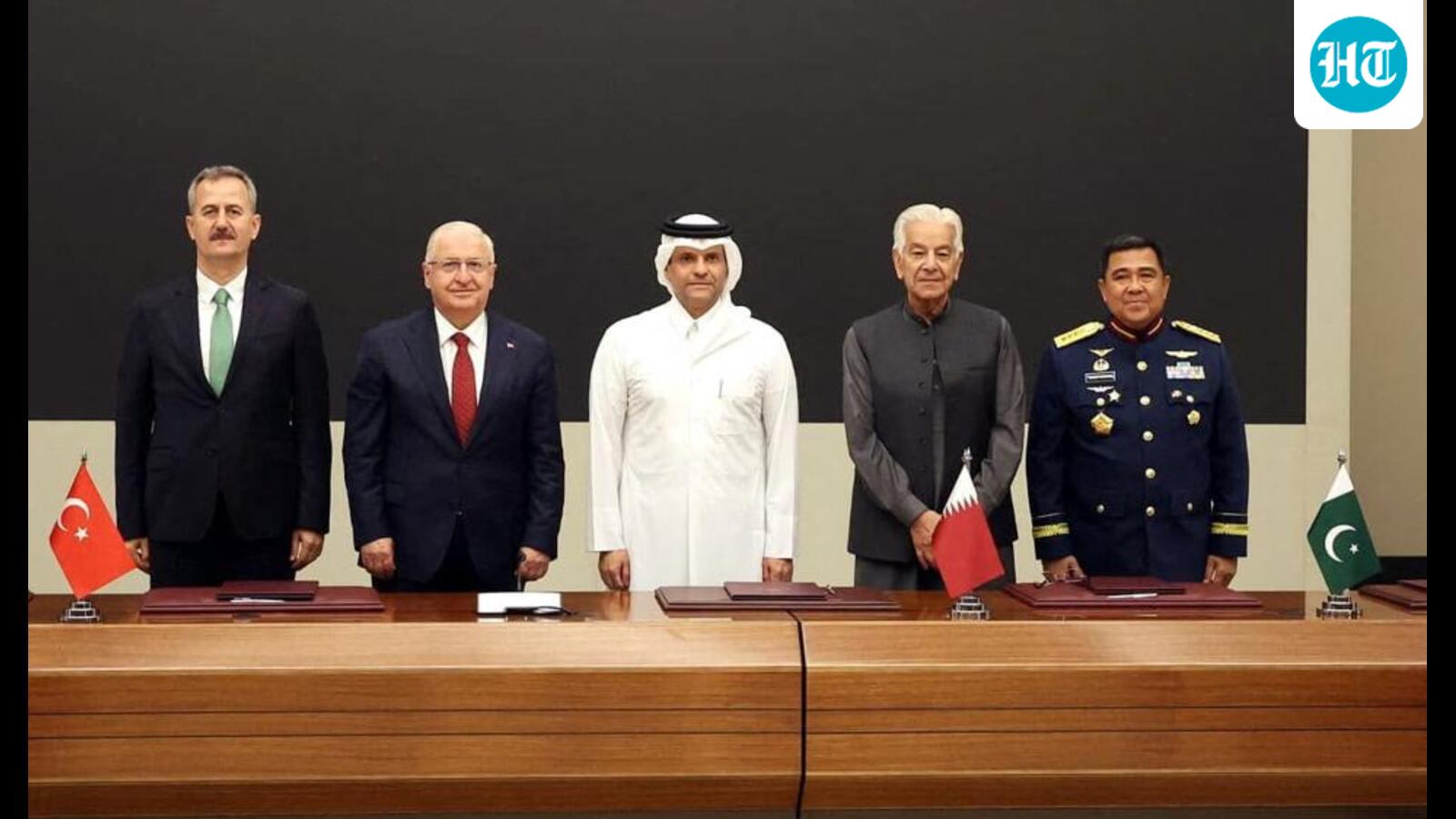
Pakistan has aggressively pursued defense and diplomatic pacts with nations like Turkey, Qatar, and Saudi Arabia to bolster its regional standing. Meanwhile, India continues to focus on a long-term strategy of building sustainable, interest-based influence in the global arena.
The Geopolitical Realignment of Pakistan
Pakistan has spent the current year aggressively pursuing a series of strategic defense and diplomatic agreements designed to bolster its regional and global standing. The most recent development, the Badr Memorandum of Understanding signed on October 21, unites Pakistan with Turkey, Qatar, and Indonesia in a collaborative effort to develop defense equipment. This follows the Mecca Joint Defence Agreement from August, which theoretically establishes a collective security framework among Pakistan, Saudi Arabia, and Turkey, framing an attack on one as an attack on all three, marking a significant shift toward multilateral defense cooperation.
Expanding Diplomatic Footprints
Beyond military pacts, Islamabad has actively sought to repair and strengthen bilateral ties that had previously languished. The recent three-day visit by the Maldivian President to Pakistan—the first such visit in 11 years—signals a concerted effort to deepen engagement with the Indian Ocean region. Furthermore, the continued rapport between Pakistan’s military leadership, specifically Army Chief Asim Munir, and the administration of US President Donald Trump underscores Pakistan's attempt to maintain its relevance in Washington’s foreign policy calculations despite a shifting global landscape.
India’s Strategic Long Game
While Pakistan focuses on these high-profile, immediate pacts, India has adopted a different, more patient approach to diplomacy. The core of New Delhi’s strategy appears to be built on the principle that lasting influence is not derived from symbolic agreements, but rather from creating sustained, essential utility for other nations. By positioning itself as a vital economic and security partner, India is attempting to build influence that withstands the volatility of short-term political shifts.
Analyzing the Divergent Paths
These two approaches highlight a fundamental divergence in regional strategy. Pakistan’s recent moves suggest a desire to create a bloc of like-minded nations that can offset regional pressures and provide a degree of collective security. Conversely, India’s 'long game' involves deepening integration into global supply chains and security architectures, ensuring that its partners remain tied to its success over the long term. This strategy is inherently uneven, as it depends on the evolving needs of global powers rather than immediate, declarative alliances.
Future Trends and Implications
Looking ahead, the success of these strategies will be tested by the changing priorities of global superpowers. If Pakistan’s defense pacts move beyond the 'paper' stage and result in tangible industrial output, it could significantly alter the military balance in its sphere of influence. However, India's model of building influence based on long-term necessity may prove more resilient against the inevitable fluctuations of international relations. Ultimately, the competition between these two models will define the geopolitical landscape of South Asia for the coming decade.
Verification Required?