Opinion: Opinion | Pakistan's Iran Problem Isn't Going Anywhere
Source Entity
NDTV News Search Records Found 1000
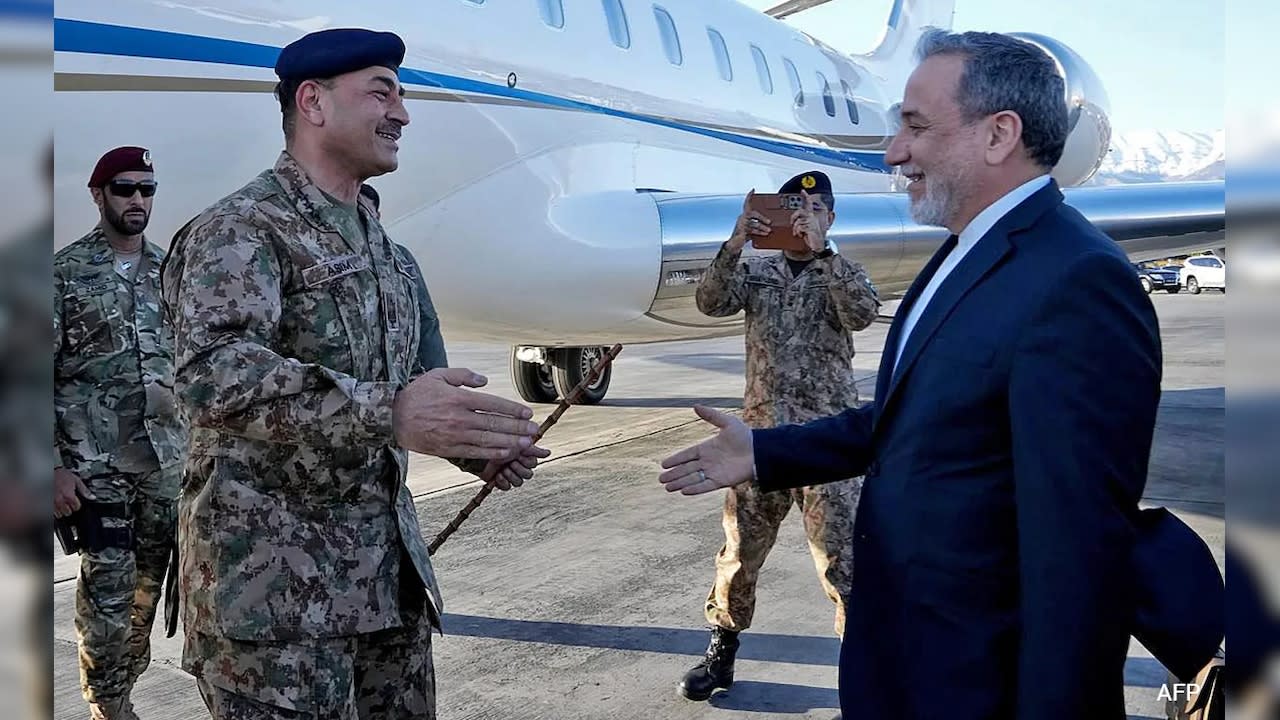
Pakistan faces persistent diplomatic and security challenges in its relationship with Iran. Despite ongoing mediation efforts, the geopolitical friction between the two nations remains a significant hurdle for Islamabad.
The Complexity of Pakistan-Iran Relations
A Persistent Geopolitical Challenge
The relationship between Pakistan and Iran is characterized by deep-seated complexity that extends far beyond simple diplomatic engagement. While Pakistan has often sought to position itself as a regional mediator—leveraging its historical ties and strategic location—the reality of its bilateral engagement with Tehran remains fraught with structural difficulties. The notion that Pakistan’s "toughest audience" resides in Iran highlights a fundamental disconnect in regional security priorities and ideological alignment.
Historical Tensions and Border Security
Historically, the border region between Pakistan and Iran has been a flashpoint for instability. Both nations have frequently accused the other of failing to adequately police the porous frontier, which is often utilized by insurgent groups and illicit trafficking networks. These security dilemmas are not merely local issues; they represent a broader struggle for influence in a region where both countries have competing strategic interests, often complicated by their respective ties to global powers.
The Limits of Mediation
Pakistan’s recent diplomatic efforts, framed as "glowing successes" in various international forums, have struggled to translate into tangible policy shifts in Tehran. Mediation, while useful in de-escalating short-term crises, often fails to address the underlying grievances or the "trust deficit" that defines the Pakistan-Iran dynamic. The Iranian leadership’s skepticism toward Islamabad’s regional initiatives suggests that Pakistan’s diplomatic capital is currently insufficient to bridge the gap between Tehran’s security doctrine and Pakistan’s own national interests.
Economic and Strategic Implications
Beyond security, the economic relationship between the two nations remains stunted, largely due to the shadow of international sanctions and the lack of a cohesive bilateral framework. The stalled energy projects and trade imbalances serve as a constant reminder that political goodwill is rarely a substitute for economic integration. As long as these infrastructure and trade hurdles persist, the geopolitical relationship will remain reactive rather than proactive.
Predicting Future Trends
Looking ahead, it is likely that the friction between Pakistan and Iran will continue to be a defining feature of South and West Asian geopolitics. Unless there is a fundamental realignment of security protocols or a breakthrough in regional economic cooperation, the relationship will likely remain in a state of "managed tension." Pakistan will continue to find that its most significant diplomatic successes elsewhere do not necessarily guarantee a smoother path when dealing with the specific, highly localized, and deeply entrenched concerns of the Iranian state.
Verification Required?