Pakistan's Libya peace push has a China connection and $4 billion price tag
Source Entity
VIVEK DUBEY
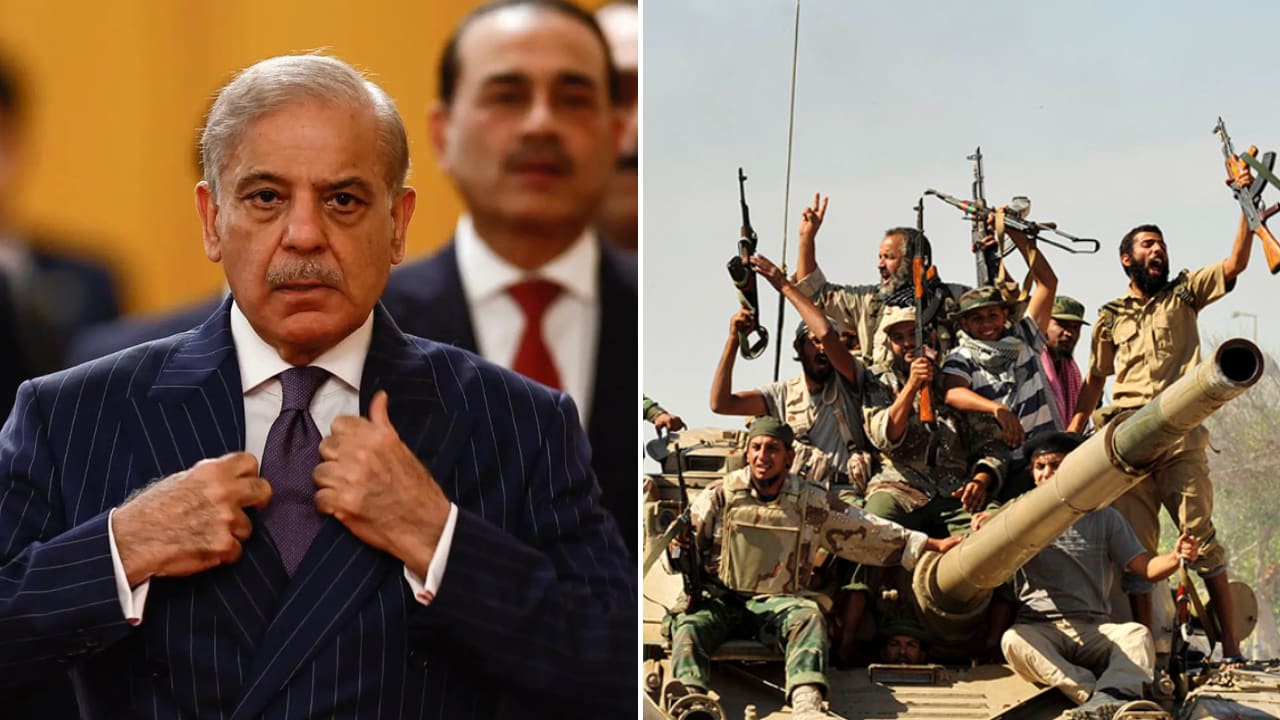
Pakistan is attempting to position itself as a mediator for peace in Libya, but the initiative is clouded by a $4 billion financial link to China and reports that Pakistan is simultaneously arming one of the warring factions, undermining its diplomatic credibility.
The Paradox of Diplomacy: Pakistan's Complex Role in Libya
Pakistan has recently entered the volatile geopolitical arena of North Africa, attempting to position itself as a primary mediator in the ongoing Libyan conflict. However, this diplomatic push is characterized by a profound paradox: while Islamabad seeks the prestige of being a peacemaker, reports indicate it is simultaneously providing armaments to one of the warring sides. This duality creates a significant credibility gap, as the role of a neutral arbiter is fundamentally incompatible with the role of a military supplier. The situation underscores the precarious nature of mid-tier powers attempting to exert influence in regions where they have conflicting strategic and economic interests.
The Financial Architecture and the China Connection
At the heart of this peace initiative is a reported $4 billion price tag and a strategic connection to China. In the modern geopolitical landscape, Pakistan's foreign policy is often inextricably linked to its economic relationship with Beijing. The involvement of China suggests that this is not merely a humanitarian or diplomatic gesture, but a calculated strategic move. The $4 billion figure likely represents a combination of financial incentives, infrastructure promises, or strategic loans intended to facilitate Pakistan's presence in the region. This 'China connection' implies that Pakistan may be acting as a proxy or a partner in a broader Chinese strategy to expand influence in Africa, utilizing Pakistan's diplomatic channels to secure interests that benefit both nations.
The Fragility of the Libyan Ceasefire
The context of this intervention is a Libyan ceasefire that is described as being on the verge of collapse. Libya has been fractured for years between competing administrations in the East and West, with various militias and foreign powers vying for control. The instability of the ceasefire highlights the deep-seated distrust among Libyan factions, making any external mediation attempt extremely difficult. When a mediator is perceived to be arming one side, as is the case with Pakistan, it does not facilitate peace but rather exacerbates the security dilemma. The opposing side is likely to view Pakistan's 'peace push' not as a genuine attempt at reconciliation, but as a tactical maneuver to solidify the power of its armed ally under the guise of diplomacy.
Strategic Implications for Pakistan's Global Standing
For Pakistan, the drive to mediate in Libya represents an attempt to diversify its diplomatic portfolio and elevate its status as a global player capable of resolving conflicts far beyond its immediate borders. Historically, Pakistan has sought to project itself as a leader in the Muslim world and a bridge between different geopolitical blocs. However, by engaging in the contradiction of 'arming while mediating,' Pakistan risks damaging its international reputation. The global community, particularly established mediators in the UN and EU, may view these efforts as opportunistic rather than altruistic, potentially isolating Pakistan from genuine multilateral diplomatic successes.
Future Trends and Predicted Outcomes
Looking forward, the sustainability of Pakistan's peace push is highly questionable. Unless Islamabad ceases its military support for specific factions, its efforts to broker a lasting ceasefire will likely be viewed as a facade. We can expect a trend where China continues to provide the financial scaffolding for such initiatives, using Pakistan to test the waters of North African diplomacy. If the ceasefire collapses entirely, Pakistan may find itself inadvertently tied to the failure of the peace process, potentially dragging it deeper into a conflict where it has little direct national security interest but significant financial and reputational risk.
Conclusion
In summary, Pakistan's foray into the Libyan conflict is a high-stakes gamble. While the $4 billion China-backed initiative offers a path toward increased regional influence, the contradictory policy of supplying arms to combatants fundamentally undermines the goal of peace. The result is a diplomatic effort that appears more focused on strategic positioning and financial gain than on the actual resolution of the Libyan crisis. For a peace push to be successful, transparency and neutrality must supersede financial incentives and clandestine military support.