Pak Online Accounts Caught Running Deepfakes Of NDTV Shows On Protests
Source Entity
NDTV News Search Records Found 1000
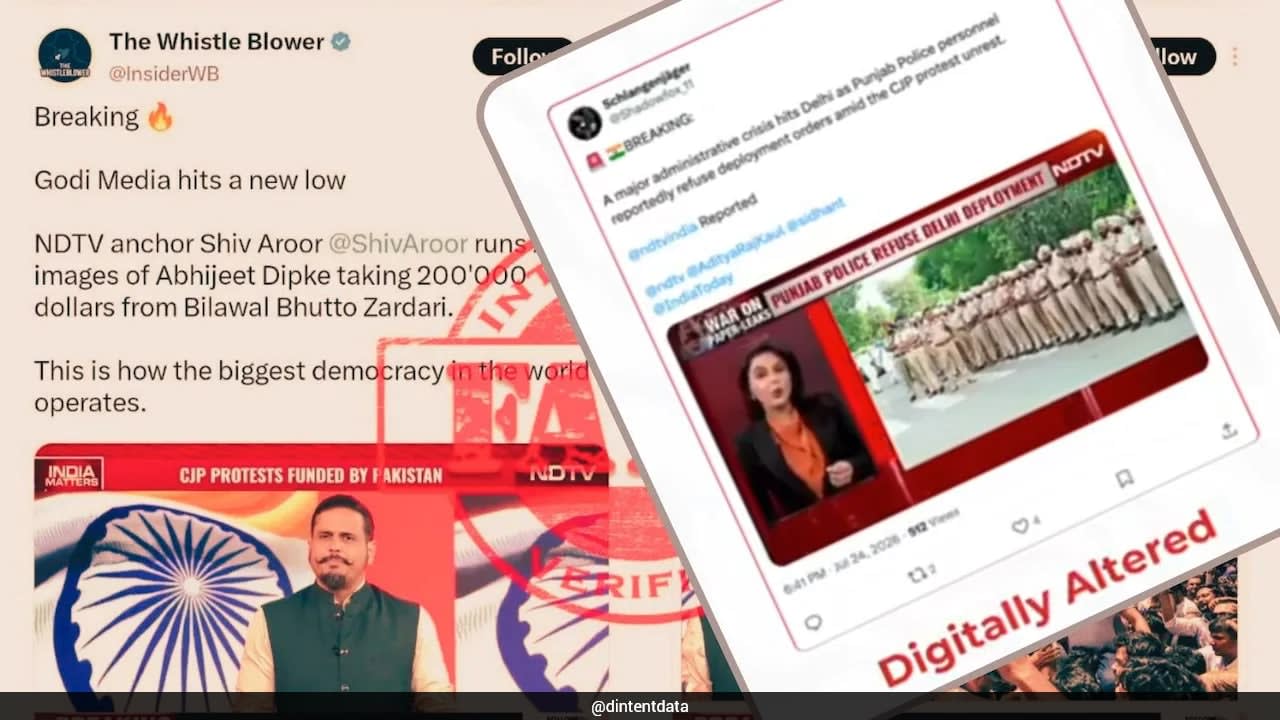
D-Intent Data has identified Pakistani online accounts utilizing AI-generated deepfakes to mimic NDTV news segments regarding protests. This operation highlights the growing threat of synthetic media being weaponized for cross-border disinformation campaigns.
The Rise of Synthetic Disinformation
The recent identification of Pakistani online accounts utilizing deepfake technology to mimic credible news broadcasts marks a significant escalation in digital information warfare. By creating fraudulent versions of NDTV news reports concerning ongoing protests, these actors are leveraging the established credibility of mainstream media to lend a veneer of legitimacy to state-aligned or ideologically driven propaganda. This tactic represents a sophisticated evolution from traditional text-based misinformation, moving toward high-fidelity synthetic media that is increasingly difficult for the average user to distinguish from reality.
The Role of D-Intent Data in Detection
The exposure of this operation by the fact-checking entity D-Intent Data underscores the critical necessity of independent digital surveillance. In an era where deepfake technology is democratized and accessible, traditional media houses often find their intellectual property hijacked to serve foreign agendas. D-Intent Data’s intervention serves as a vital firewall, preventing the viral spread of manufactured narratives that could otherwise incite civil unrest or manipulate public opinion regarding sensitive political protests.
Strategic Implications of Deepfake Propaganda
When state-aligned or organized actors deploy deepfakes to simulate coverage of domestic protests, the primary objective is often the destabilization of the target country’s internal narrative. By fabricating reports that distort the reality of protest dynamics, these actors attempt to influence both local sentiment and international perceptions. This strategy exploits the 'liar's dividend,' where the mere existence of high-quality deepfakes allows bad actors to cast doubt on legitimate, authentic reporting, ultimately eroding public trust in all information sources.
Technological Challenges in Verification
Detecting AI-generated video requires significant technical resources, including frame-by-frame analysis of lip-syncing inconsistencies, unnatural skin textures, and audio-visual misalignment. As the quality of deepfake software improves, the gap between the speed of creation and the speed of verification widens. The incident involving the NDTV-themed clips serves as a case study in how quickly synthetic content can be weaponized, necessitating more robust detection tools and closer collaboration between media organizations and cybersecurity researchers.
Future Trends and Counter-Measures
Looking ahead, we can anticipate that synthetic media will become a standard component of influence operations. Addressing this requires a multi-faceted approach: media literacy for the general public, the adoption of cryptographic watermarking for legitimate news broadcasts, and more stringent platform accountability. Without proactive measures to authenticate media at the point of origin, the digital landscape will remain highly vulnerable to these sophisticated attempts at psychological manipulation.
Conclusion
The exploitation of NDTV’s branding by Pakistani accounts is a stark reminder of the borderless nature of modern information warfare. As deepfake technology continues to mature, the battle against disinformation will shift from monitoring rhetoric to verifying the physical and digital integrity of visual evidence. Protecting the sanctity of the information ecosystem is now a matter of national security, requiring constant vigilance against those who seek to blur the lines between objective reporting and manufactured fiction.
Verification Required?