"Nationalise Us, Please": Palantir CEO's Take On AI's Liability Problem
Source Entity
NDTV News Search Records Found 1000
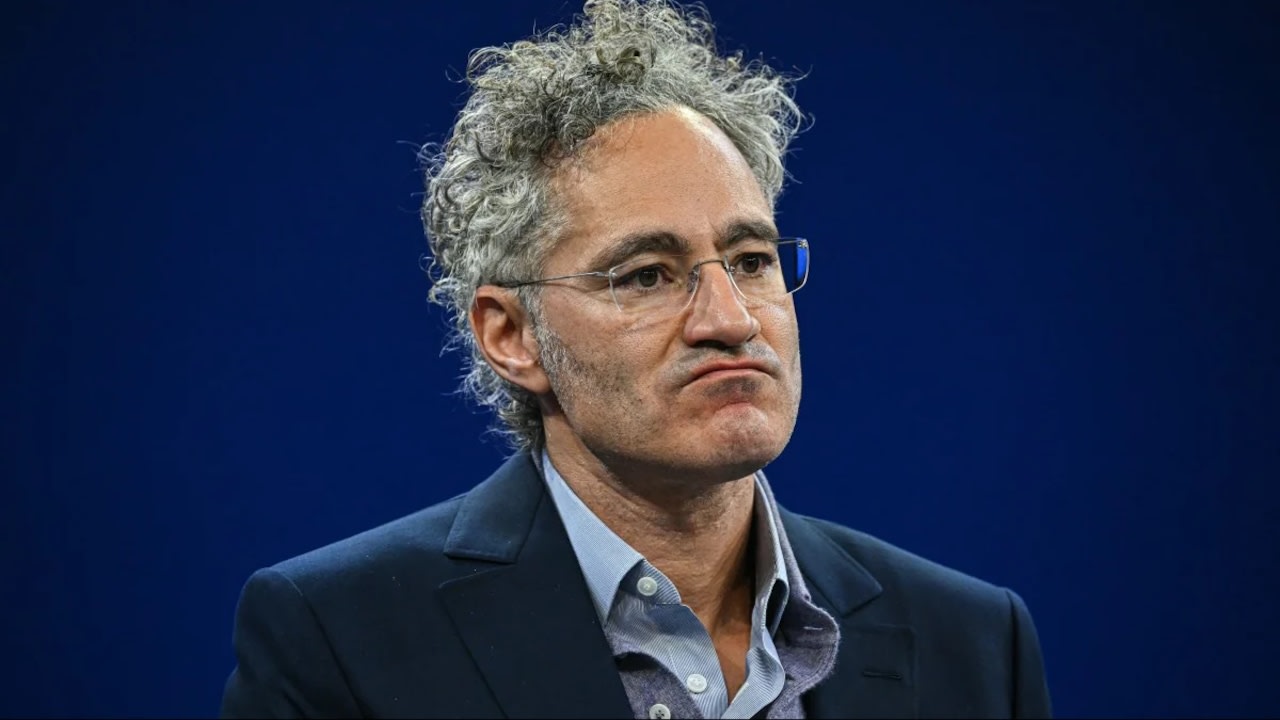
Palantir CEO Alex Karp has publicly advocated for the nationalization of AI development to address liability and regulatory concerns. He emphasizes that the industry requires clear, government-mandated rules to manage the risks associated with advanced artificial intelligence.
The Call for Regulatory Oversight in AI
In a provocative shift within the tech sector, Palantir CEO Alex Karp has recently advocated for a unique approach to artificial intelligence governance: the potential nationalization of AI development. By suggesting that the industry needs clear, government-mandated rules, Karp is highlighting a growing anxiety among tech leaders regarding the current 'wild west' environment of AI deployment. This stance moves beyond the standard calls for light-touch regulation, suggesting that the stakes of AI capability are so high that they may transcend the traditional private-sector model.
Addressing the Liability Conundrum
At the heart of Karp's argument lies the complex issue of liability. As AI systems become more autonomous and integrated into critical infrastructure, determining who is responsible for failures or unintended consequences becomes increasingly difficult. By proposing a framework that mirrors nationalized oversight, Karp implies that the private sector may be ill-equipped to handle the systemic risks posed by these technologies alone. The call for 'clear rules' is essentially a plea for a legal architecture that can mitigate corporate exposure while ensuring public safety.
The Role of Government in Technology
Historically, the tech industry has fiercely defended its independence from government interference. However, the rapid advancement of generative AI and predictive algorithms has shifted the discourse. If the industry were to move toward a model of partial nationalization or heavy state-led regulation, it would represent a significant departure from the Silicon Valley ethos. This shift reflects a recognition that AI is not just another consumer product, but a dual-use technology with profound implications for national security and societal stability.
Broader Implications for the Industry
Karp's perspective suggests that the industry is nearing a point of saturation regarding self-regulation. Without clear, legally binding standards, companies operate in a vacuum where competitive pressure may outweigh safety considerations. By inviting the government to set the rules, Karp is arguably attempting to create a 'level playing field' where compliance becomes a standard, rather than an optional corporate initiative. This could force smaller players out of the market or necessitate unprecedented levels of cooperation between the public and private sectors.
Future Trends and Strategic Outlook
Looking forward, we can expect a tug-of-war between tech giants and regulatory bodies. As governments worldwide begin to draft AI-specific legislation, the debate over how much control the state should exert will intensify. If industry leaders like Karp continue to advocate for structured, state-sanctioned frameworks, it may accelerate the timeline for comprehensive AI regulation. Ultimately, the industry is bracing for a future where innovation is inextricably linked to the mandates of the state, potentially marking the end of the era of unfettered technological development.
Verification Required?