Palantir CEO Alex Karp accused AI labs of 'drugging' users months before Anthropic IPO
Source Entity
TOI TECH DESK
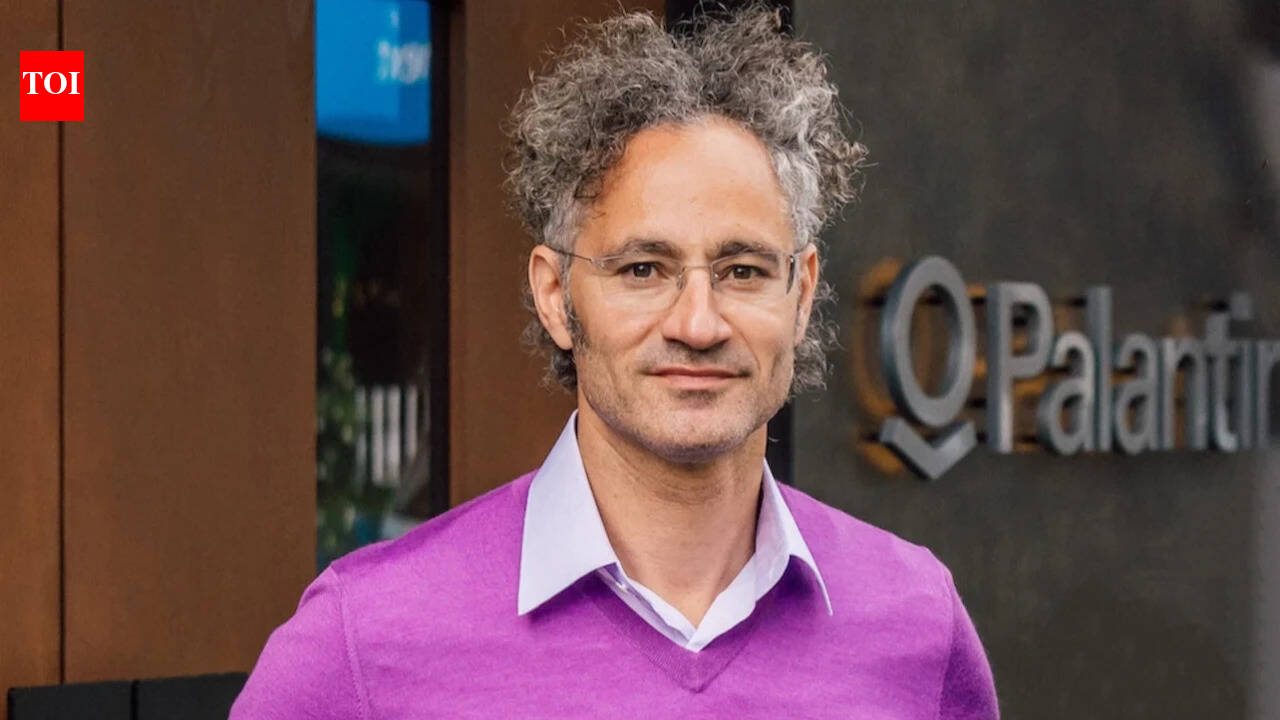
Palantir CEO Alex Karp has criticized AI firms like Anthropic for creating user dependence and compromising data sovereignty. His warnings highlight a growing Silicon Valley divide over the control of AI models and intellectual property.
The Battle for AI Sovereignty: Palantir vs. The Frontier Labs
In the rapidly evolving landscape of artificial intelligence, a fundamental conflict has emerged regarding the governance and ownership of data. Alex Karp, the CEO of Palantir, has emerged as a vocal critic of the current trajectory of frontier AI companies, specifically targeting organizations like Anthropic and OpenAI. Karp’s assertion that these companies are essentially 'drugging' users by fostering an unhealthy dependence on external black-box models strikes at the heart of modern corporate infrastructure security.
Defining AI Sovereignty
At the core of Karp’s argument is the concept of 'AI sovereignty.' This principle posits that corporations and nations must maintain absolute authority over their proprietary data assets and intellectual property. Karp argues that by relying on closed-source, cloud-based frontier models, enterprises are effectively outsourcing their strategic intelligence. This shift potentially leaves businesses vulnerable to the shifting priorities and policy changes of the AI providers, rather than keeping control in-house.
The Silicon Valley Divide
This critique has ignited a broader debate throughout Silicon Valley, highlighting a growing schism between proponents of massive, centralized frontier models and those advocating for open-weight alternatives. While companies like Anthropic have achieved massive success, evidenced by their recent blockbuster IPO, Karp’s warnings serve as a counter-narrative to the prevailing optimism. His stance is not an isolated one; it resonates with influential figures such as Satya Nadella and Jamie Dimon, who have consistently raised concerns regarding the concentration of power and the security implications of who controls the underlying AI stack.
Market Implications of the Anthropic IPO
Anthropic’s recent record-setting IPO serves as the backdrop for this friction. While the market has responded with overwhelming enthusiasm for the company’s technological capabilities, Karp’s earlier accusations suggest that institutional adoption may come with hidden costs. The tension lies in the trade-off between the immediate utility of advanced AI capabilities and the long-term risk of vendor lock-in, where a company’s entire operational logic becomes tethered to a third-party model.
The Future of Enterprise AI
Looking forward, the industry is likely to see a bifurcated approach to AI integration. Some organizations will continue to prioritize the raw power of frontier models, accepting the risks to sovereignty for the sake of competitive speed. Others, influenced by the philosophy championed by Palantir, will likely invest heavily in 'sovereign AI' architectures—deploying models locally or in private clouds to ensure that sensitive data and decision-making logic remain strictly under their own jurisdiction.
Conclusion
As AI continues to integrate into the backbone of global commerce, the question of 'who owns the intelligence' will become as critical as the performance of the models themselves. Alex Karp’s critique serves as a necessary check on the industry, forcing stakeholders to evaluate whether the convenience of frontier AI justifies the potential erosion of operational autonomy. The ongoing dialogue between proponents of open-weight models and centralized providers will undoubtedly define the next decade of enterprise technology strategy.