‘Husband and I are proud…’: Why actor Pallavi Purohit says motherhood should never be forced
Source Entity
The Indian Express
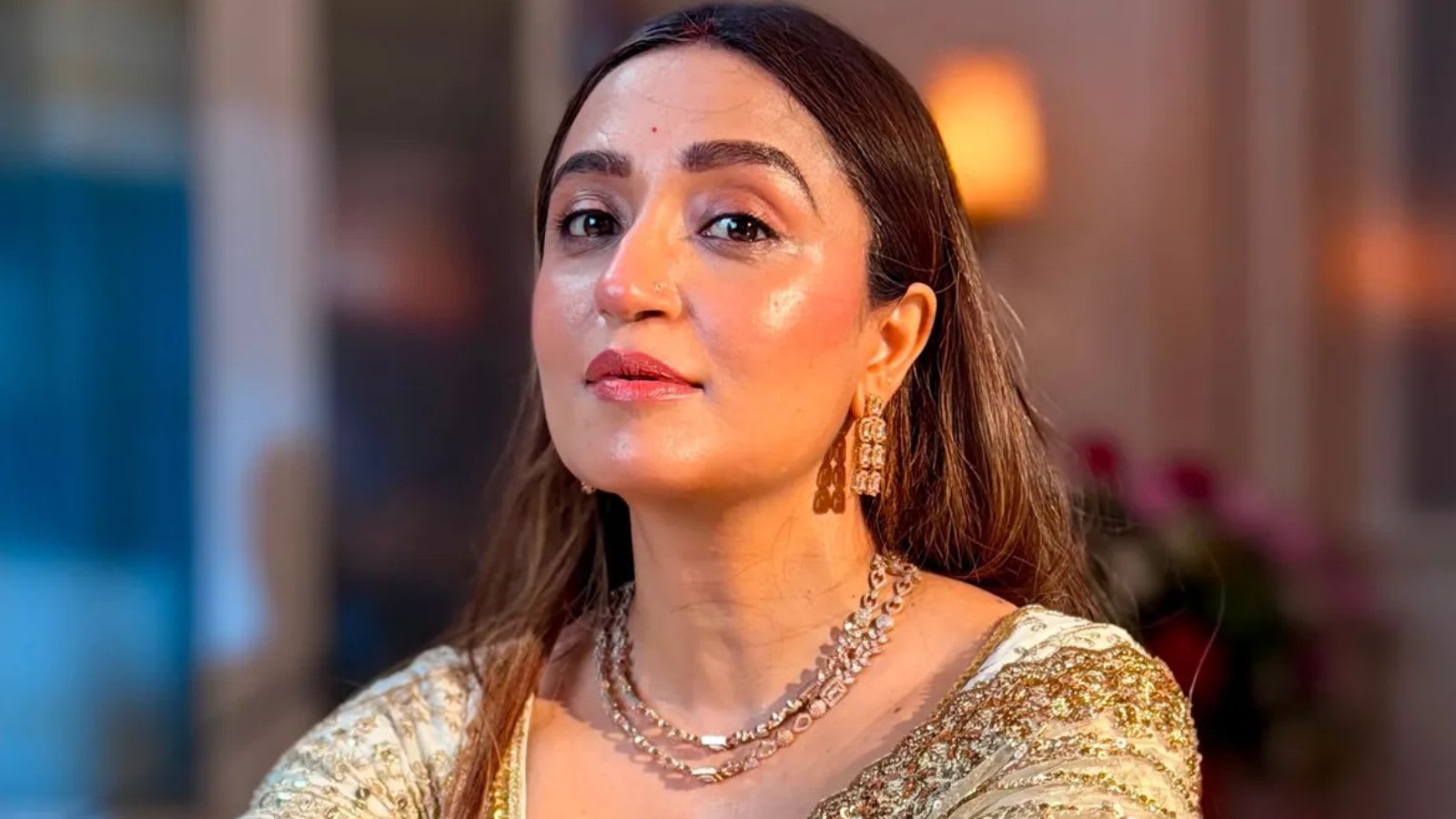
Television actor Pallavi Purohit has opened up about her decision to remain child-free, emphasizing that motherhood should be a conscious choice rather than a result of societal pressure. Her stance highlights the shifting cultural discourse surrounding personal autonomy and reproductive choices for women.
The Choice to be Child-Free: A Cultural Shift
In a society where traditional milestones—marriage and motherhood—are often treated as mandatory steps in a woman's life, the public declaration by television actor Pallavi Purohit regarding her choice to remain child-free represents a significant moment of cultural transparency. By framing her decision as a "thoughtful and conscious" one, Purohit challenges the deeply ingrained narrative that motherhood is an inherent requirement of womanhood, rather than a personal path to be chosen or declined.
Deconstructing Societal Pressure
The scrutiny faced by women who opt out of motherhood is often rooted in patriarchal expectations that equate a woman's value with her capacity to procreate. Purohit’s decision to speak out serves as a critique of these external pressures. By highlighting that motherhood should only be pursued when a woman is "mentally, physically, and emotionally" prepared, she centers the conversation on individual agency, moving away from the biological essentialism that has historically governed women's reproductive lives.
The Role of Public Figures in Normalizing Choice
When public figures like Pallavi Purohit share their personal experiences, it provides a sense of validation for others navigating similar choices. Despite her professional experience portraying mothers in television dramas, she draws a clear, necessary line between her on-screen roles and her personal reality. This distinction is vital in dismantling the assumption that an actor’s professional body of work reflects their private life or their personal values regarding family structures.
Redefining Motherhood as a Conscious Phase
Purohit’s perspective acknowledges that motherhood is a "precious phase," but qualifies it by insisting on the necessity of readiness. This perspective shifts the focus from motherhood as an obligation to motherhood as an intentional commitment. By advocating for this level of personal reflection, she encourages a more nuanced understanding of family planning that prioritizes the well-being of both the potential parent and the child over societal dictates.
Implications for Future Trends
As more women openly discuss the child-free lifestyle, we are likely to see a gradual shift in social norms. This trend suggests a future where reproductive autonomy is increasingly respected rather than questioned. Purohit’s contribution to this dialogue is part of a broader, global movement towards destigmatizing diverse life paths, ultimately fostering a society where individuals are judged by their personal character and professional contributions rather than their parenting status.
Conclusion
Ultimately, the discourse initiated by Pallavi Purohit emphasizes the importance of autonomy in personal life decisions. By advocating for a life free from the weight of societal expectations, she promotes a healthier, more inclusive view of what it means to be a woman today. Her stance serves as a reminder that the most meaningful life choices are those made with intention, self-awareness, and personal conviction.