How Paraguay's Ueno Bank Scandal Took Down Country's Economist President
Source Entity
NDTV News Search Records Found 1000
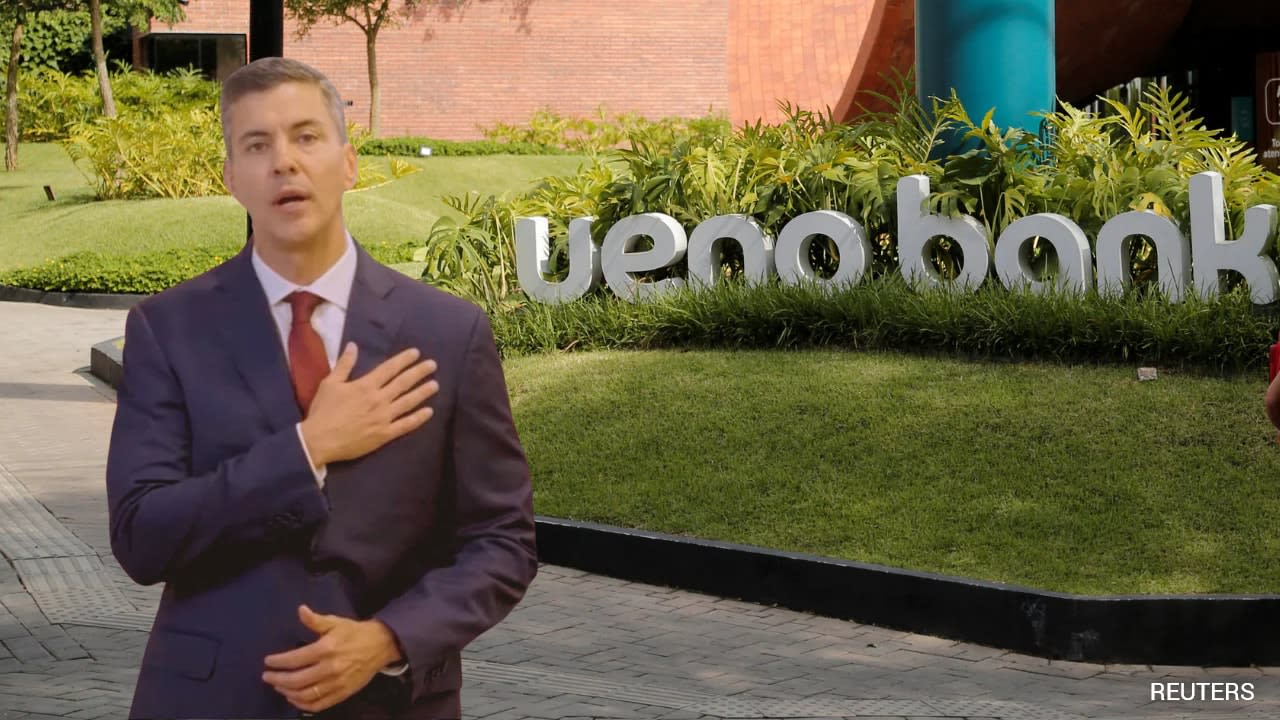
Paraguayan President Santiago Peña has resigned following the collapse of Ueno Bank, which left millions of citizens unable to access their savings. The move comes amid widespread protests and a unanimous impeachment vote by the lower house.
The Collapse of Ueno Bank and the Resignation of Santiago Peña
A Presidency Unravels
Paraguayan President Santiago Peña announced his resignation on Thursday, marking a dramatic end to a tenure that began in August 2023. The decision follows a severe financial crisis sparked by the collapse of Ueno Bank, a digital lender that had rapidly grown to serve approximately 60% of Paraguay's adult population. As the institution entered resolution proceedings due to insolvency, millions of citizens found their savings frozen, leading to widespread public unrest and political instability.
The Catalyst: Ueno Bank’s Insolvency
The crisis reached a breaking point when the Paraguayan Central Bank determined that Ueno Bank’s solvency ratio had plummeted below half of the mandatory regulatory minimum. This finding triggered immediate resolution proceedings, effectively locking millions of depositors out of their funds. The resulting inability for families to access capital for basic needs like food and daily expenses ignited massive street protests, placing immense pressure on the administration to provide accountability for the systemic failure.
Conflict of Interest and Political Scrutiny
Central to the political fallout is President Peña’s historical connection to the institution. Peña maintained business ties to Grupo Vázquez, the conglomerate controlling Ueno Bank, until March 2025. This proximity to the bank’s ownership structure invited intense scrutiny from political opponents and the public alike, eventually eroding the support of his own ruling Colorado Party. The perception of an ethical conflict between his former business interests and his duty to protect the national financial system became a defining feature of the crisis.
The Impeachment Process and Institutional Shift
Even as Peña announced his resignation in a video on X, the political machinery continued to move against him. The lower house of the Paraguayan Congress voted 78-0 to impeach the president, signaling a complete loss of legislative confidence. While the resignation was intended to preserve “social peace and democratic institutions,” the move serves as a tactical exit to avoid a prolonged Senate trial, potentially allowing Vice President Pedro Alliana to assume power and stabilize the volatile situation.
Broader Implications for Paraguay
The collapse of a major digital lender like Ueno Bank raises significant questions about the regulation of financial technology in emerging markets. As the government transitions, the immediate priority remains the resolution of the bank and the recovery of frozen deposits. This event serves as a stark reminder of the risks associated with rapid financial digitalization without robust oversight, and it highlights the fragility of political stability when financial institutions fail to safeguard public trust.
Multiple Citing Sources
Verification Required?