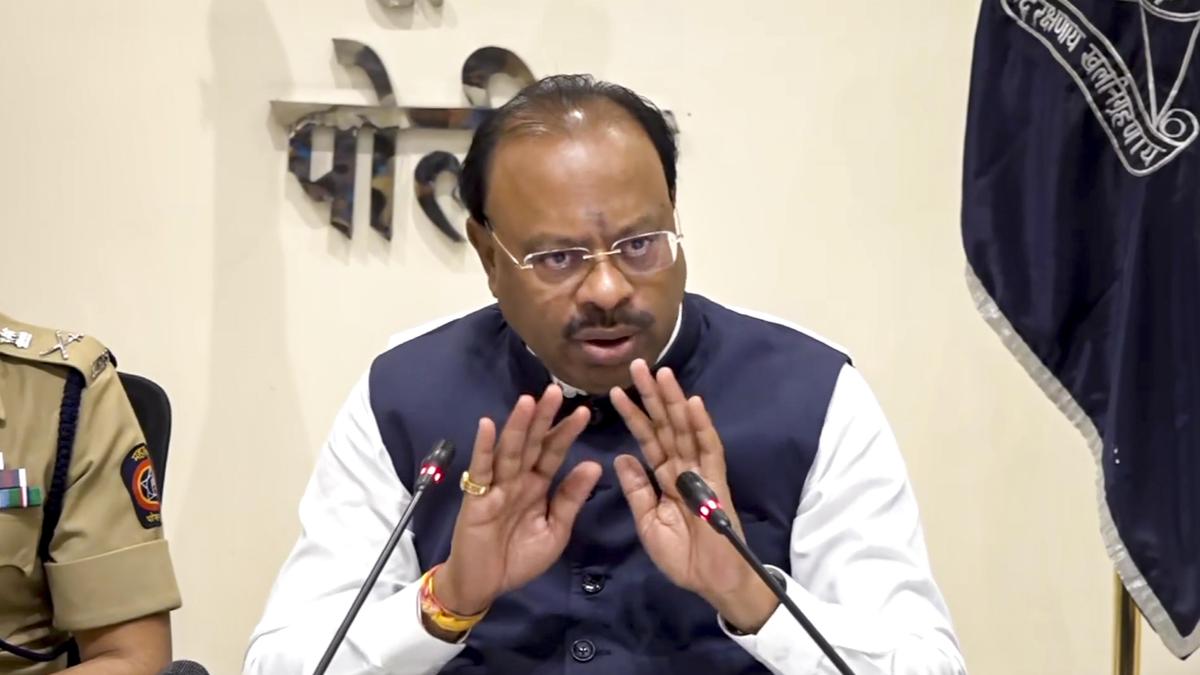
CJP's protest 'nautanki' to defame govt, create anger in youth: Maharashtra Minister Bawankule
Source Entity
India Latest News: Top National Headlines Today & Breaking News | The Hindu
The opening day of India's Monsoon Session of Parliament was marked by significant disruptions due to opposition protests over the NEET paper leak and Ayodhya temple donation thefts. Simultaneously, large-scale protests in Delhi led to police intervention as demonstrators demanded the resignation of the Education Minister.
Parliament Monsoon Session Paralyzed by Protests
The Monsoon Session of the Indian Parliament commenced on July 20, 2026, under a cloud of intense political friction. The proceedings on the very first day were effectively neutralized as a unified opposition, including members from the Congress, Samajwadi Party, and Trinamool Congress, stormed the Well of the House. This act of defiance was primarily driven by the escalating controversy surrounding the NEET paper leak and allegations of theft regarding donations at the Ram Temple in Ayodhya, signaling a volatile start to the legislative calendar.
The NEET Controversy and Public Unrest
Beyond the parliamentary walls, the streets of Lutyens’s Delhi witnessed a massive mobilization of citizens. An estimated 50,000 protesters, led by the Cockroach Janta Party (CJP), attempted to march toward the Parliament complex. The demonstrators demanded the immediate resignation of Union Education Minister Dharmendra Pradhan, citing systemic failures in the NEET examination process and broader CBSE exam irregularities. The intensity of the protests forced police to deploy lathicharge, tear gas, and water cannons across major arterial roads, including Ashoka Road and Janpath, illustrating a deep-seated public frustration with current educational governance.
Legislative Stagnation and Adjournments
Inside the Lok Sabha, the atmosphere remained equally charged. The House witnessed six consecutive adjournments before being officially called off for the day at 3 p.m. Despite the chaos, the government managed a singular, albeit significant, legislative move: Union Law Minister Arjun Ram Meghwal introduced a Bill to replace an existing Ordinance. This proposed legislation aims to increase the sanctioned strength of Supreme Court judges from 34 to 38, reflecting an attempt to address the mounting judicial backlog despite the surrounding political turbulence.
A Fragmented Opposition Strategy
While the opposition presented a united front on issues like the NEET leak, the session also revealed underlying fractures. The DMK, for instance, prioritized the Mekedatu project issue and notably skipped a meeting held by the Congress-led opposition bloc. Furthermore, internal parliamentary dynamics were highlighted by the reported changes in seating arrangements for rebel Trinamool Congress (TMC) MPs, underscoring the complex political maneuvering that often accompanies the start of a new session.
Broader Implications and Future Outlook
This washout of the first day sets a concerning precedent for the remainder of the Monsoon Session. The intersection of widespread street protests and parliamentary gridlock suggests that the government will face significant challenges in passing its legislative agenda. As the opposition continues to leverage the NEET issue as a central rallying point, the government’s ability to maintain order in the House will depend on its capacity to address these specific grievances. With the demand for ministerial resignations gaining momentum, the session is poised to remain a theater of intense confrontation, potentially delaying critical policy decisions, such as the government's stance on ethanol blending and judicial reforms.
Multiple Citing Sources
Verification Required?