Centre’s second bid for delimitation: Why BJP fell short in Parliament in April
Source Entity
Vikas Pathak
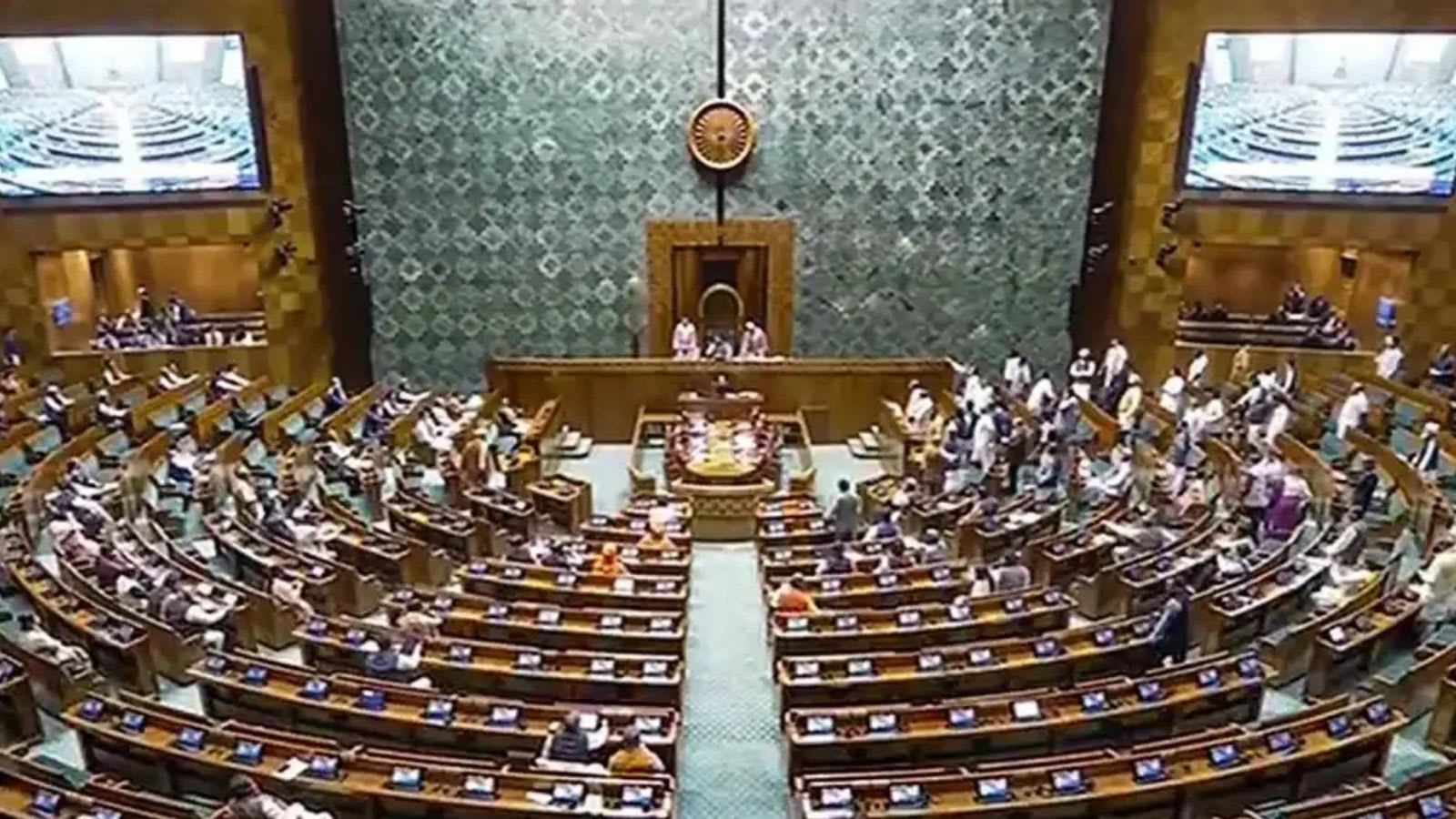
The Indian government is reconvening Parliament from November 30 to December 3 to revive the Constitution (131st Amendment) Bill. This legislative push aims to implement 33% women’s reservation by 2029 alongside a proposed increase in Lok Sabha seats to 850 via delimitation.
The Legislative Push: Re-evaluating the 131st Amendment
The Indian government has signaled a high-stakes return to legislative action, requesting that the Lok Sabha and Rajya Sabha reconvene from November 30 to December 3, 2026. This move, announced by Parliamentary Affairs Minister Kiren Rijiju, comes over 100 days after the conclusion of the Monsoon Session. The primary focus of this period is to address "Essential Government Business," which centers on the contentious Constitution (131st Amendment) Bill, 2026.
The Failure of April 2026
The upcoming session represents a critical second attempt for the administration. In April 2026, the government failed to secure the necessary special majority required to pass constitutional amendments in the Lok Sabha. The defeat of the 131st Amendment Bill served as a significant political setback, highlighting the challenges of achieving consensus on structural reforms that require broader cross-party cooperation than standard legislation.
Delimitation and the 850-Seat Goal
Central to the government’s agenda is the controversial proposal for delimitation. The plan aims to increase the total number of Lok Sabha seats to 850. By linking this expansion to the implementation of a 33% women’s reservation quota, the government is attempting to create a comprehensive electoral reform package. This strategy is designed to reshape India's legislative landscape, setting the stage for these changes to take effect by the 2029 general elections.
Political Implications and Timing
The decision to reconvene Parliament for such a short duration—concluding by December 3—suggests a highly focused, strategic effort to push through specific constitutional changes. The timing is particularly noteworthy, as the government seeks to overcome the hurdles that stalled the bill in the spring. By prioritizing the 33% women's reservation quota, the administration is aiming to fulfill a major policy promise while simultaneously addressing the administrative necessity of redrawing constituency boundaries.
Future Trends in Indian Governance
Looking ahead, the success of this session will likely define the legislative legacy of the current term. Should the bill pass, it would fundamentally alter the demographic representation within the lower house. However, the requirement for a special majority means the government must navigate complex negotiations with the opposition. The outcome of this December sitting will undoubtedly serve as a bellwether for the government's ability to drive major constitutional change as the 2029 election cycle approaches.
Multiple Citing Sources