Parliament may be reconvened, hints Rijiju, brings delimitation bill in focus
Source Entity
TNN
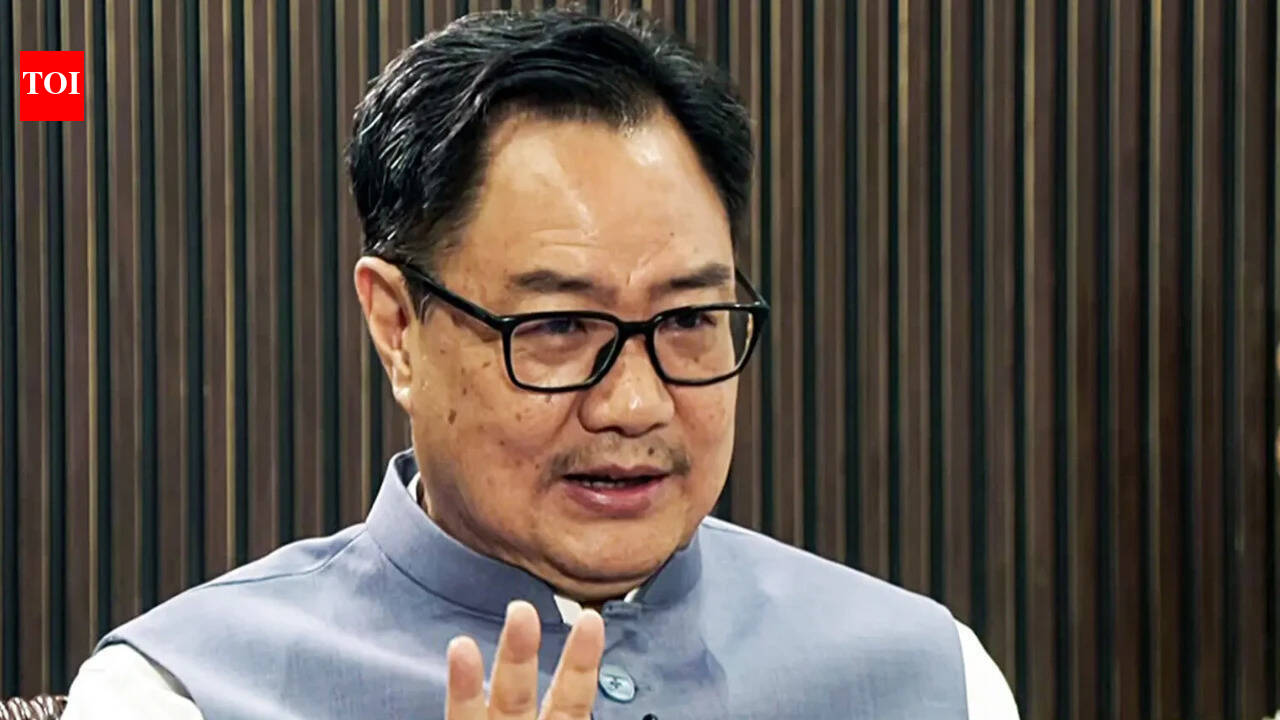
Union Minister Kiren Rijiju hinted that Parliament could be reconvened to address the constitutional amendment bill for Lok Sabha delimitation. As the monsoon session remains unprorogued, the government retains the flexibility to resume proceedings to implement a potential 50% increase in parliamentary seats by 2029.
Speculation Grows Over Potential Parliament Reconvening
Recent statements from Union Minister Kiren Rijiju have sparked significant political discourse regarding the potential reconvening of the Indian Parliament. While the Minister refrained from confirming an immediate session, his acknowledgment that Parliament could be recalled because the monsoon session, which concluded on August 13, has not yet been formally prorogued, has placed the spotlight squarely on the legislative agenda for upcoming constitutional amendments.
The Delimitation Bill and Future Representation
At the heart of this parliamentary speculation is the proposed constitutional amendment bill aimed at implementing a major delimitation exercise. The objective is to increase the total number of Lok Sabha seats by 50%. Such a structural change is designed to reflect the evolving demographic realities of the nation, ensuring that parliamentary representation remains proportional to population growth. This move is widely viewed as a pivotal step toward updating India's electoral map, which has remained largely stagnant for decades.
Procedural Nuances and Legislative Strategy
By keeping the monsoon session unprorogued, the government maintains a strategic advantage in legislative scheduling. Prorogation formally ends a session, requiring a new summons from the President to reconvene. By avoiding this step, the government keeps the chamber in a state of suspended animation, allowing for a swift resumption of business without the standard lead time required for summoning a new session. This procedural flexibility indicates that the administration is keeping its options open for significant legislative maneuvers before the next scheduled session.
Historical Context of Parliamentary Sessions
It is not unprecedented for the Indian Parliament to be reconvened in this manner. Historical precedents show that when sessions are not prorogued, the government can utilize this mechanism to address urgent legislative matters. This practice highlights the executive branch’s ability to navigate parliamentary rules to advance key policy goals. By leveraging these existing procedural frameworks, the government signals that the delimitation agenda is a priority that may require immediate attention.
Broader Implications for 2029
The push to implement these changes by 2029 carries heavy political and social weight. A 50% increase in Lok Sabha seats would fundamentally alter the political landscape, impacting how constituencies are formed and how political parties strategize for general elections. As the nation approaches the next decade, this legislative shift is expected to be a cornerstone of governance reforms, aiming to enhance the efficacy of democratic representation across the country.
Conclusion: A Wait-and-See Approach
While Kiren Rijiju’s comments remain non-committal, the political atmosphere is charged with anticipation. The combination of the unprorogued status of the monsoon session and the high-stakes nature of the delimitation bill suggests that the government is preparing for a significant legislative push. Observers and political analysts will be closely watching for further signals from the Cabinet, as any decision to reconvene would signify a major acceleration in the timeline for constitutional reform.