How Trump’s immigrant visa pause will affect applicants worldwide
Source Entity
The Indian Express
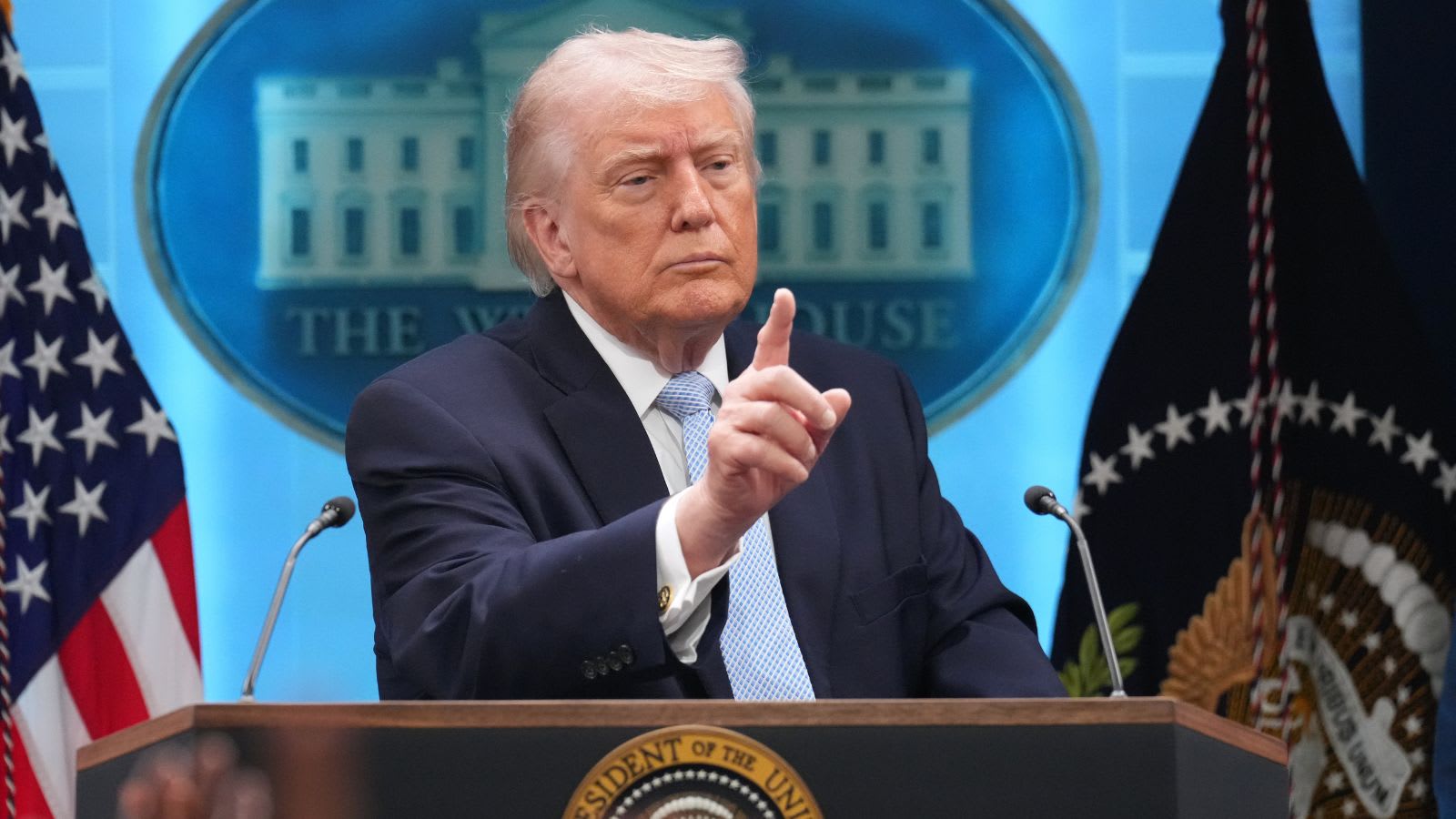
The Trump administration is extending immigration restrictions to legal visa applicants through increased scrutiny and the planned revocation of existing B1 and B2 business and tourism visas. These measures, combined with the public-charge framework, mark a significant shift in U.S. legal immigration policy.
The Shift Toward Restrictive Legal Immigration
The Trump administration has initiated a significant pivot in its immigration strategy, moving beyond the enforcement of illegal border crossings to place heavy constraints on legal entry. By targeting applicants for immigrant visas and scrutinizing existing B1 and B2 business and tourism visas, the administration is effectively narrowing the pathways for foreign nationals to enter the United States. This expansion represents a departure from traditional immigration oversight, signaling a broader intent to limit the overall volume of legal migration.
The Impact of Public-Charge Scrutiny
Central to this policy shift is the utilization of the public-charge framework. While this mechanism predates the current administration, its application has been intensified to ensure that potential immigrants can demonstrate financial self-sufficiency. By requiring applicants to prove they are unlikely to become a burden on public resources, the government is introducing a de facto wealth test for residency. The implementation of a public-charge bond pilot program further reinforces this, creating a financial barrier that could exclude lower-income applicants from the legal immigration system.
Revocation of Existing Visas
Perhaps the most controversial aspect of the current crackdown is the plan to revoke B1 and B2 visas for individuals who have sought or are currently seeking asylum. Historically, these visas provide essential access for international business and tourism. However, the administration’s decision to link the act of seeking asylum to the revocation of non-immigrant visas creates a high-stakes dilemma for foreign nationals. This policy effectively forces individuals to choose between their legal status in the U.S. and their right to request protection under international and domestic asylum laws.
Broader Implications for Global Mobility
These developments carry profound implications for global mobility and international relations. By creating uncertainty for current visa holders and prospective applicants, the U.S. risks diminishing its appeal as a global hub for business and education. The tightening of visa criteria may lead to reciprocal actions from other nations and could strain diplomatic ties, as the unpredictability of U.S. immigration status complicates travel for millions of professionals and tourists worldwide.
Historical Context and Future Trends
Historically, U.S. immigration policy has balanced national security with economic and social openness. The current administration’s focus on restrictive measures reflects a trend toward prioritizing domestic protectionism over traditional immigration pathways. Looking ahead, if these policies persist, we can expect to see a decline in legal visa issuances and a potential rise in legal challenges. Experts suggest that the intersection of asylum claims and visa status will remain a critical point of contention, likely setting the stage for prolonged legal battles regarding the executive branch's authority to retroactively strip legal status from existing visa holders.
Conclusion
In summary, the Trump administration’s recent actions constitute a comprehensive effort to restrict both the influx of new legal immigrants and the retention of current non-immigrant visa holders. By leveraging the public-charge framework and targeting asylum seekers for visa revocation, the administration is fundamentally altering the landscape of U.S. immigration. These policies not only challenge existing legal norms but also signal a long-term shift toward a more restrictive and exclusionary approach to international travel and residency.