Ambedkar feared MPs would tire of long sessions. The history & rules on Parliament calendar
Source Entity
Latest News: Todays Latest News Headlines from India & World | Hindustan Times
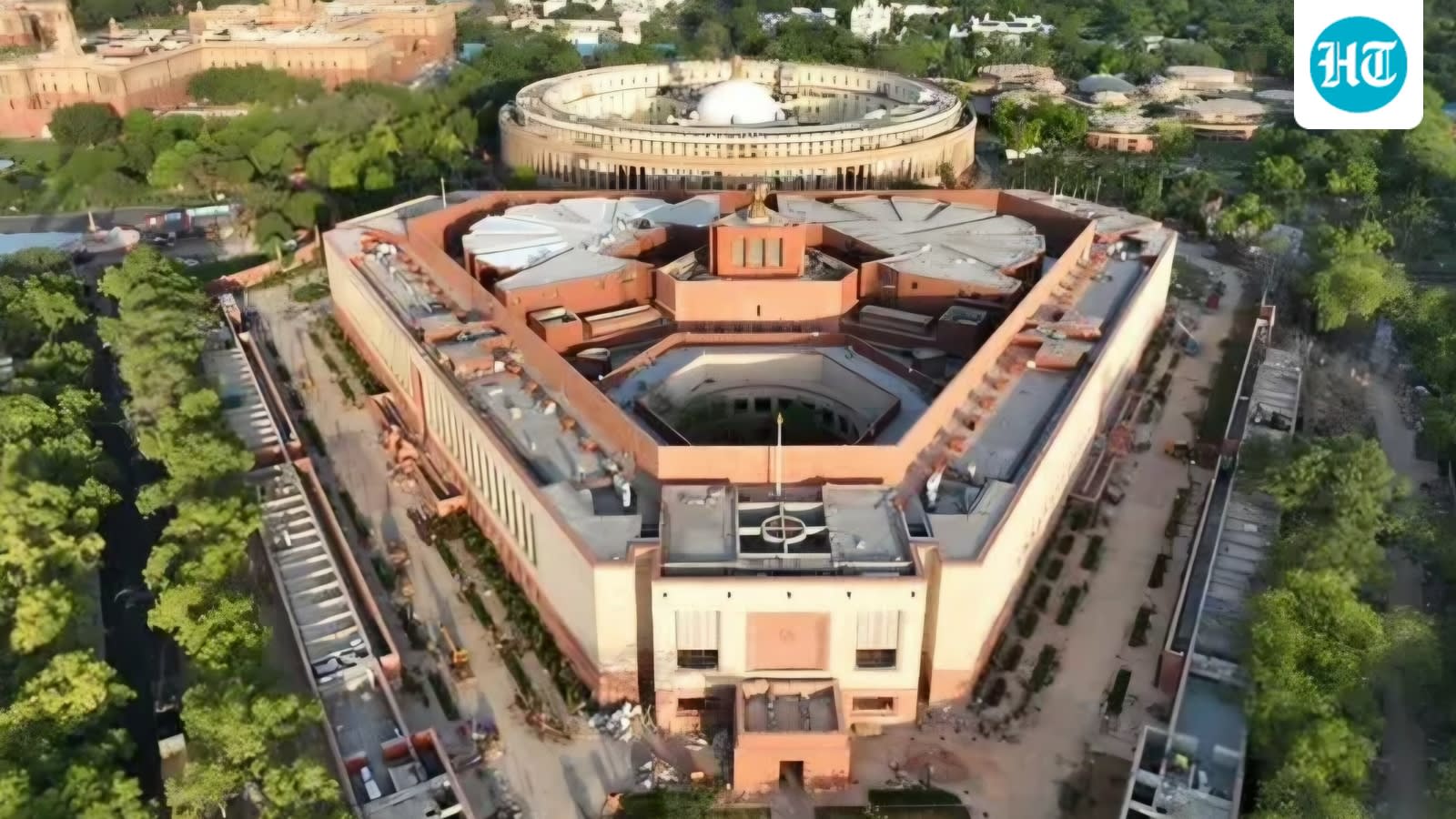
The Indian government holds discretion over the parliamentary calendar, provided the six-month gap rule is upheld. Current uncertainty surrounds the winter session as the monsoon session remains unprorogued.
The Constitutional Framework of Parliamentary Sessions
At the heart of the current discourse regarding the parliamentary calendar lies the constitutional mandate set forth in Article 85 of the Indian Constitution. This provision dictates that no more than six months shall elapse between the last sitting of one session and the date appointed for the first sitting of the next. While this creates an upper boundary for the interval between meetings, it grants the executive branch significant latitude in determining the frequency and duration of legislative sittings. The current ambiguity regarding the winter session schedule underscores this executive discretion, as the Constitution does not mandate a specific number of sessions per year, but rather relies on established convention.
Historical Evolution and Practical Conventions
The traditional structure of three annual sessions—Budget, Monsoon, and Winter—is a practice that has evolved over time rather than a rigid constitutional requirement. Historically, this tripartite division was designed to ensure that the legislature maintained steady oversight of the executive. Dr. B.R. Ambedkar and other framers of the Constitution were acutely aware of the potential for legislative fatigue and the necessity of balancing rigorous debate with the practical realities of governance. This historical context provides a lens through which to view current parliamentary operations, where the rhythm of the legislative calendar is often dictated by political exigencies and administrative priorities.
The Status of the Monsoon Session
A critical technical factor currently influencing the timeline is the fact that the monsoon session, which concluded its last meeting on August 13, has not yet been formally prorogued. Prorogation, the act of formally ending a session by the President upon the advice of the government, serves as a legislative 'reset.' Because the session remains technically active, the government faces a binary choice: it may either issue a formal prorogation and summon a fresh session, or it may opt to extend the existing monsoon session. The latter option allows for greater flexibility but limits the procedural notice typically afforded to lawmakers, which is generally a minimum of two weeks.
Implications for Legislative Oversight
The timing of parliamentary sessions is fundamentally linked to the quality of legislative scrutiny. When the executive branch holds the power to influence the calendar, the legislative opposition often raises concerns about the narrowing window for debate on critical bills or urgent national issues. The delay in announcing the winter session schedule invites renewed scrutiny into the balance of power between the executive and the legislature. If the government chooses to extend the monsoon session rather than prorogue it, it reflects a shift in parliamentary strategy that prioritizes agility over the traditional, predictable calendar.
Future Trends and Executive Discretion
Looking ahead, the trend toward increasingly flexible parliamentary schedules suggests that the government will continue to prioritize strategic timing over rigid adherence to historical norms. As long as the six-month constitutional buffer is maintained, the executive branch maintains the upper hand in setting the legislative agenda. This dynamic is likely to persist, potentially leading to shorter, more focused sessions that respond to immediate political needs rather than prolonged periods of deliberation. The reliance on executive summons as the primary mechanism for calling Parliament into session ensures that the legislative calendar remains a reflection of government priorities, a reality that continues to shape the democratic processes in India.
Verification Required?