Patient-zero drill put health facilities to the test—40% of them failed
Source Entity
Beth Mole
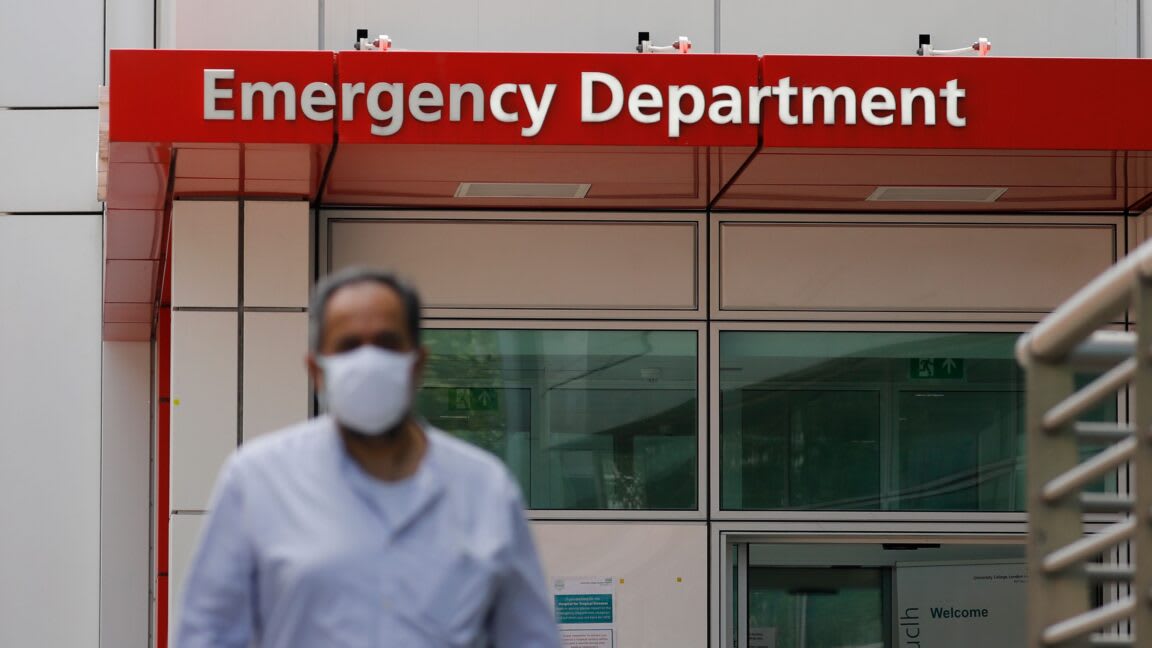
A recent study in New York revealed that 40% of healthcare facilities failed to properly handle a simulated patient-zero scenario. The drill exposed critical gaps in PPE usage, infection identification, and isolation protocols, highlighting systemic weaknesses in pandemic preparedness.
The Hidden Vulnerability: Analyzing the Patient-Zero Simulation Failure
Recent findings from a regional health drill in New York have cast a spotlight on the persistent vulnerabilities within our healthcare infrastructure. When actors posing as patients with mystery, pandemic-potential symptoms entered 73 separate healthcare facilities, the results were sobering. With a 40% failure rate, the data suggests that despite the hard-learned lessons of the COVID-19 pandemic, the foundational protocols required to contain an emerging pathogen are not yet fully operational at the local level.
The Mechanics of the Failure
The simulation was designed to test the 'first-mile' response—the critical moments when a potentially infectious individual first interacts with the medical system. The failures were not limited to a single point of error but were instead multifaceted. Observers noted that responses were notably sluggish, indicating a lack of urgency in triage. Furthermore, the inconsistent use of Personal Protective Equipment (PPE) among staff suggests that even when a threat is flagged, the transition to high-level protective measures is not yet an instinctive, standardized reflex.
Lessons from COVID-19 and the Preparedness Gap
While the global narrative of COVID-19 focused on supply chain shortages and vaccine development, this study reminds us that pandemic preparedness is inherently local. The failure of 40% of facilities to meet basic standards of masking and isolation highlights a breakdown in institutional memory. The transition from general care to specialized infectious disease protocols remains a major hurdle, indicating that current training modules may be insufficient or poorly integrated into daily clinical workflows.
The Necessity of Rigorous Training
As the report explicitly states, these drills underscore a desperate need for enhanced training for healthcare workers and support staff. Identification, masking, and isolation are the three pillars of preventing a local cluster from becoming a wider outbreak. When these pillars fail, the entire system becomes susceptible to rapid transmission. The 'failing grade' achieved by these facilities is a call to action for administrators to shift from theoretical preparedness to practical, high-frequency simulation-based training.
Implications for Future Pandemic Strategy
If these facilities were to encounter a genuine 'patient-zero' scenario for a novel pathogen, the latency in their response could be the difference between containment and a local outbreak. The broader implication is that our frontline defenses are not as robust as they need to be. Future policy must prioritize the standardization of these drills, ensuring that every facility—regardless of size or location—possesses the muscle memory required to act decisively during the initial hours of a health crisis.
Concluding Outlook
In conclusion, the New York health drill serves as a vital diagnostic tool for the healthcare sector. By exposing these gaps, the study provides a clear roadmap for where investments in training and protocol development must be directed. Moving forward, the focus must shift toward closing this 40% gap through rigorous, ongoing evaluation to ensure that the next time a mystery infection presents itself, the response is swift, safe, and effective.