Is it safe to reheat rice more than once?
Source Entity
The Indian Express
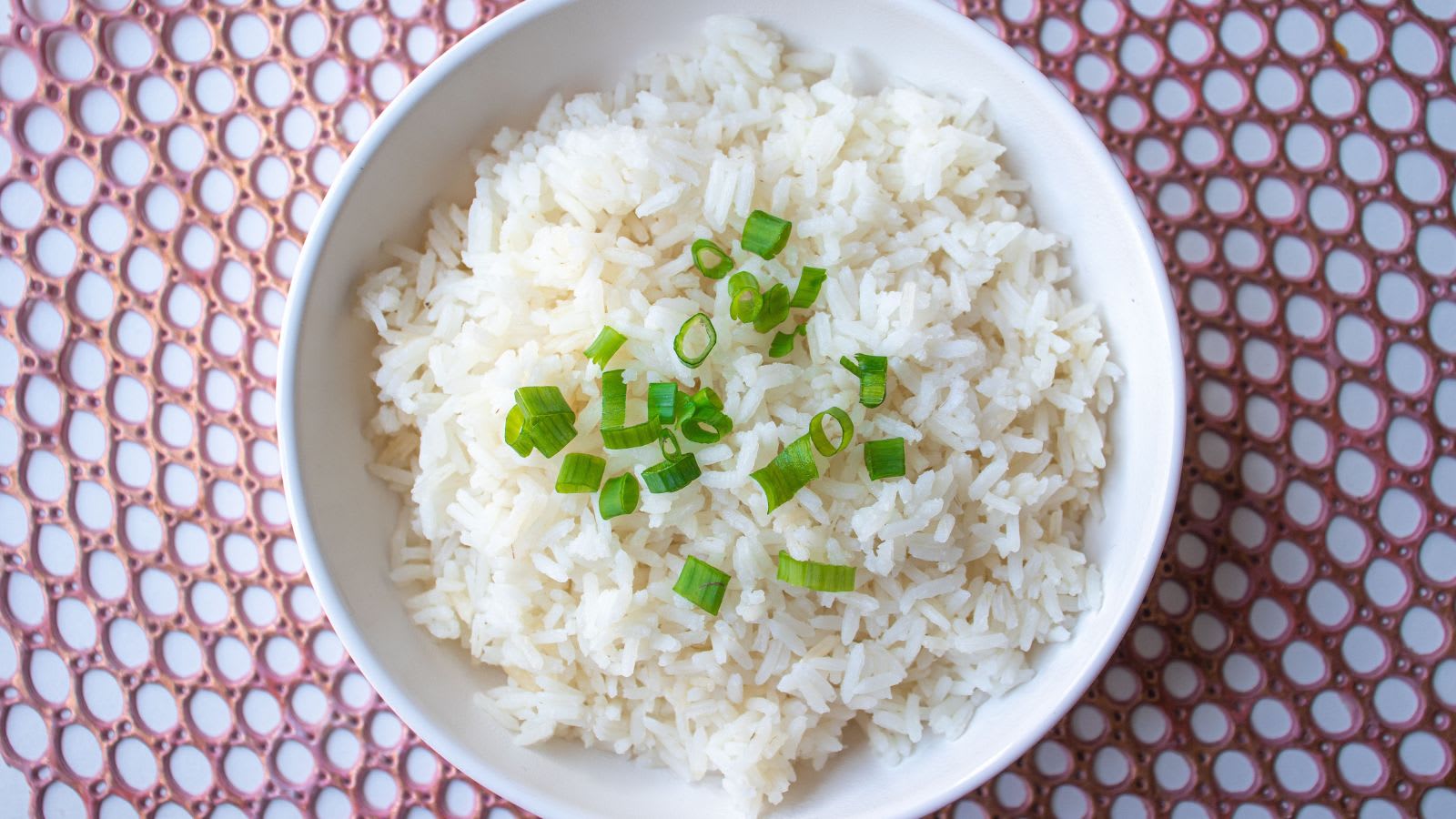
Reheating rice multiple times increases the risk of food poisoning due to Bacillus cereus bacteria. Experts recommend proper cooling and storage to ensure food safety.
The Hidden Risks of Reheating Rice
For many households globally, rice is a staple that frequently ends up as a leftover. While the convenience of repurposing rice for subsequent meals is undeniable, the practice of reheating it multiple times introduces significant food safety concerns. The core issue does not lie solely in the act of reheating, but rather in the cumulative effect of temperature fluctuations that occur between storage and consumption.
The Role of Bacillus Cereus
The primary biological threat associated with rice is Bacillus cereus, a bacterium naturally present in raw rice grains. While the cooking process typically kills the bacteria, it does not necessarily eliminate the heat-resistant spores that can survive high temperatures. If cooked rice is left at room temperature for extended periods, these spores can germinate, multiply, and produce toxins that are not easily destroyed by subsequent reheating.
Improper Storage and Temperature Control
Dietitian Deepa Mishra of Narayana RN Tagore Hospital emphasizes that the safety of leftovers is heavily dependent on how the rice is handled between meals. When rice is left out at room temperature, it enters the 'danger zone' where bacterial growth accelerates. Repeatedly cooling and reheating the rice extends the time the food spends in this hazardous temperature range, significantly increasing the probability of bacterial proliferation.
Best Practices for Consumer Safety
To mitigate these risks, experts suggest that reheating rice more than once should be avoided. Ideally, rice should be cooled quickly after the initial cooking and refrigerated promptly. If one intends to use rice for multiple meals, it is safer to portion out the amount needed and keep the remainder stored at a constant, cold temperature rather than repeatedly moving the entire batch in and out of the refrigerator.
Broader Implications for Food Hygiene
This issue highlights a broader need for public awareness regarding basic food hygiene. Many consumers assume that heat is a universal disinfectant, but in the case of toxin-producing bacteria like Bacillus cereus, heat is not a guarantee of safety once toxins have already formed. Understanding the lifecycle of these pathogens is essential for preventing domestic foodborne illnesses.
Conclusion
In summary, while rice remains a safe and nutritious food source, the convenience of leftovers must be balanced with strict adherence to safety protocols. By limiting reheating to a single instance and ensuring rigorous cooling and storage practices, households can continue to enjoy rice safely while minimizing the risk of food poisoning.