Pay raises keep shrinking. Here’s how much smaller they’ll be next year.
Source Entity
Andrew Keshner
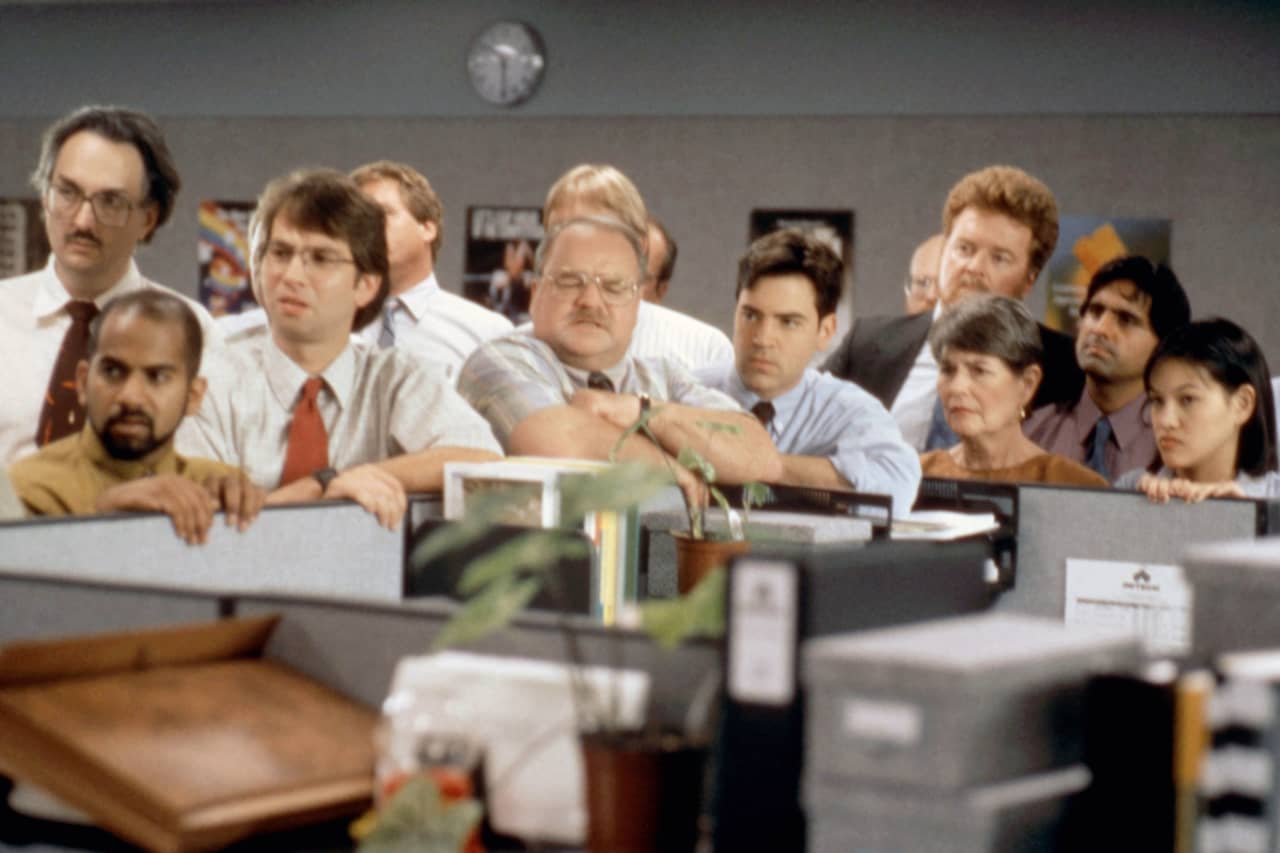
Pay raises are projected to continue shrinking in the coming year, signaling a cooling labor market. While switching jobs is often suggested as a remedy, current economic conditions make this strategy increasingly difficult for many workers.
The Shrinking Paycheck: A New Era of Wage Stagnation
Recent data indicates a concerning trend for the workforce: salary growth is decelerating, and pay raises are expected to shrink further in the coming year. This shift marks a significant departure from the post-pandemic hiring frenzy, where aggressive wage competition was the norm. As businesses face cooling demand and economic uncertainty, they are tightening budgets, often at the expense of employee compensation growth.
The Illusion of Job Hopping as a Silver Bullet
For years, the conventional wisdom for workers looking to outpace inflation has been to "job hop." By moving to a new employer, workers could often secure significant percentage increases that were unavailable in their current roles. However, the current landscape has rendered this strategy far less effective. Employers are becoming more cautious in their hiring practices, vetting candidates more stringently and offering more conservative starting salaries, effectively neutralizing the "job-hopper premium" that once existed.
Macroeconomic Drivers Behind the Freeze
Several factors contribute to these shrinking raises. Businesses are grappling with higher capital costs and a more cautious consumer base, leading to a focus on operational efficiency rather than headcount expansion. This environment allows companies to prioritize retention through non-monetary benefits rather than base salary hikes, as the leverage in the labor market shifts back toward employers.
The Risk of Labor Market Stagnation
When pay raises fail to keep pace with the cost of living, the broader implications involve a potential decline in consumer sentiment and spending power. If the primary mechanism for wage growth—switching jobs—is blocked by a lack of available, high-paying vacancies, the result is a "locked-in" workforce. Employees may feel compelled to stay in roles where they are underpaid, simply because the alternative options do not offer a meaningful improvement in financial standing.
Future Trends and Strategic Outlook
Looking ahead, the trend suggests a period of wage normalization. We are likely to see a decrease in the volatility of salary growth, moving toward a more stabilized, yet lower, baseline. Workers will need to pivot their focus toward long-term career development and skill acquisition rather than relying solely on market-driven salary jumps. As the labor market cools, the ability to demonstrate unique value to an current employer may become the most reliable path to financial stability in an era of shrinking raises.
Verification Required?