Peak Design expands its collection of wireless charging accessories
Source Entity
Andrew Liszewski
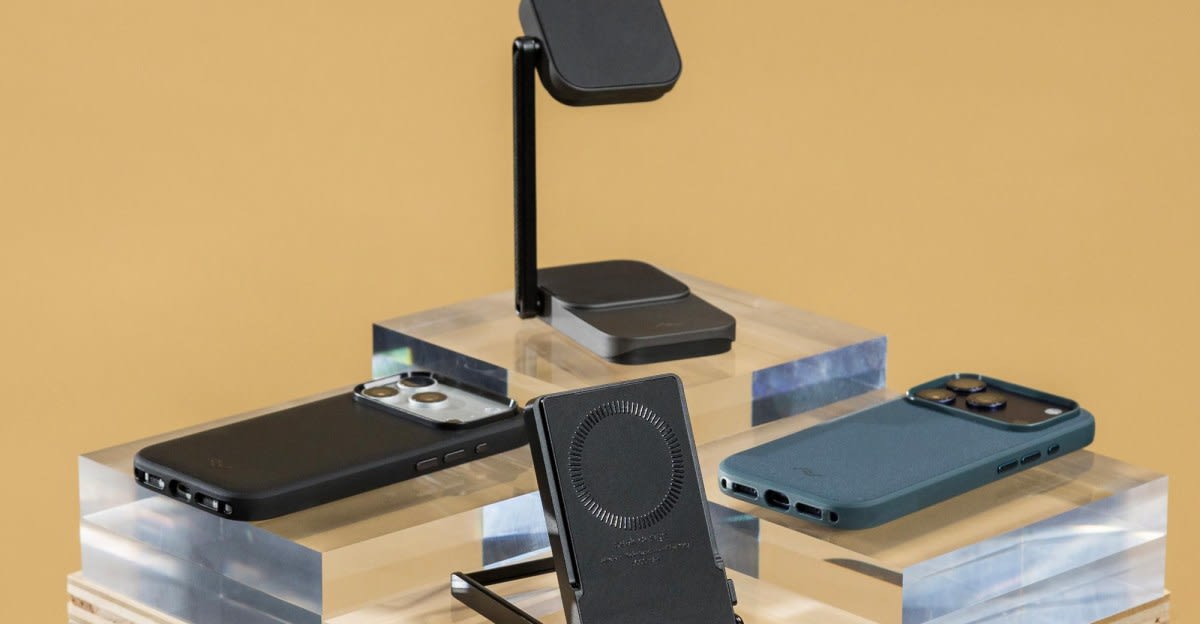
Peak Design is expanding its lineup of wireless charging accessories, moving beyond its traditional focus on travel bags. The company aims to challenge the industry standard of disposable electronics by prioritizing premium materials and innovative design.
Peak Design Shifts Focus Toward Premium Charging Ecosystems
Peak Design, a brand historically synonymous with high-end backpacks and modular travel gear, has officially announced an expansion into the wireless charging accessories market. This strategic pivot signals a broader trend in the tech industry where lifestyle brands are increasingly blurring the lines between functional travel hardware and consumer electronics. By leveraging their reputation for durability and thoughtful engineering, the company is positioning itself to compete in a saturated market dominated by commoditized, often disposable, charging hardware.
Challenging the Culture of Disposable Tech
The driving philosophy behind this expansion, as articulated by CEO and founder Peter Dering, is a direct critique of the current state of consumer electronics. Dering argues that users have become accustomed to chargers and cables that are cheap, disposable, and merely 'good enough.' By introducing new charging devices that prioritize premium materials, Peak Design is attempting to elevate the user experience from one of utility to one of longevity and aesthetic coherence, effectively pushing back against the 'planned obsolescence' model prevalent in mobile accessory manufacturing.
The Intersection of Design and Utility
Historically, Peak Design has built its brand equity through products that feature high-utility designs and robust build quality. Transitioning this design language into the wireless charging space presents a unique challenge: balancing technical specifications—such as charging speed and heat management—with the tactile, premium finish that their customer base expects. This move suggests that the company is aiming to create an 'ecosystem' where the charger itself is viewed as a piece of industrial design rather than a hidden utility tool.
Broader Implications for the Accessory Market
The electronics accessory market is notoriously fragmented, with thousands of low-cost options competing primarily on price. Peak Design’s entry suggests a shift toward 'premiumization,' where consumers are increasingly willing to pay a premium for hardware that aligns with their personal aesthetic and environmental values. If successful, this could force competitors to rethink their reliance on cheap plastics and disposable materials, potentially ushering in a higher standard of build quality across the entire category.
Future Trends and Market Positioning
Looking ahead, this expansion indicates that Peak Design is betting on a future where brand loyalty extends beyond specific product categories. By integrating their design ethos into the daily charging routines of their users, they are essentially creating a deeper, more frequent touchpoint with their customers. As the industry continues to evolve, we can expect to see more lifestyle-focused companies diversifying into high-end tech accessories, focusing on durability and sustainability as key differentiators in a market that has long ignored those metrics in favor of low-cost, high-volume sales.