Boeing or Northrop Grumman? Pentagon nears decision on US Navy’s stealth fighter contract
Source Entity
YASHASVI VASISTHA
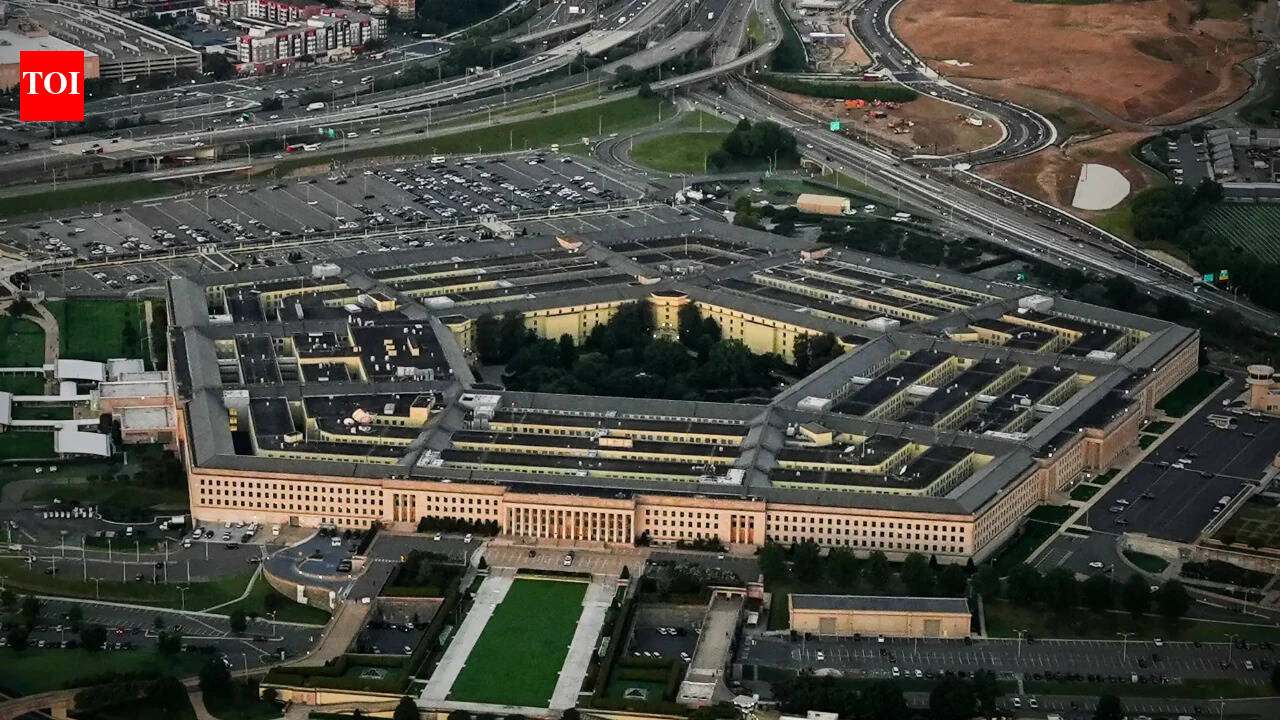
The Pentagon is nearing a multi-billion dollar decision between Boeing and Northrop Grumman to develop the F/A-XX stealth fighter. This next-generation aircraft will replace the aging F/A-18 Super Hornet fleet to address modern maritime security challenges.
The Future of Naval Superiority: The F/A-XX Competition
The United States Department of Defense is approaching a pivotal decision regarding the future of naval aviation, as it nears the selection of a prime contractor for the F/A-XX next-generation stealth fighter. This program represents a massive investment, with contracts of this magnitude typically valued in the tens of billions of dollars over their operational lifespan. The competition pits two aerospace giants, Boeing and Northrop Grumman, against one another in a high-stakes race to define the next era of carrier-based warfare.
Strategic Necessity and the F/A-18 Legacy
For decades, the F/A-18 Super Hornet has served as the backbone of the U.S. Navy’s carrier strike groups. However, as these platforms age, the need for a successor that can survive in contested environments becomes paramount. The F/A-XX is designed to replace this legacy fleet, integrating cutting-edge stealth technologies to ensure naval dominance. This transition is not merely an upgrade; it is a strategic response to evolving global threats, specifically the increasing pressure exerted by modern naval forces such as those fielded by China.
Navigating Delays and Budgetary Hurdles
The path to this contract has been far from smooth. The F/A-XX program has endured significant friction, including years of programmatic delays and intense funding disputes. Some officials within the Pentagon previously lobbied to postpone the project by as much as three years, citing grave concerns regarding industrial engineering capacity and the fragility of current global supply chains. Despite these internal debates, the project has gained enough momentum to reach this imminent selection phase.
The Role of Congressional Oversight
Congressional intervention has played a vital role in keeping the F/A-XX program on track. While Pentagon officials expressed caution regarding the feasibility of immediate development, legislative bodies have pushed for continued investment to ensure that the U.S. Navy does not lose its technological edge. This tension between fiscal prudence and the urgent requirement for military modernization highlights the complex balancing act inherent in modern defense procurement.
Looking Toward the 2030s
The goal is for the F/A-XX to enter service in the 2030s, a timeline that leaves little room for further setbacks. The winning contractor will be tasked with delivering an aircraft that not only meets current performance expectations but also remains adaptable to the rapid evolution of electronic warfare and automated systems. As the Pentagon prepares to announce its decision in the coming weeks, the industry waits to see which firm will secure the right to shape the future of carrier-based stealth aviation for the next half-century.