US signs 7-year deals to boost THAAD & Patriot missile production
Source Entity
YASHASVI VASISTHA
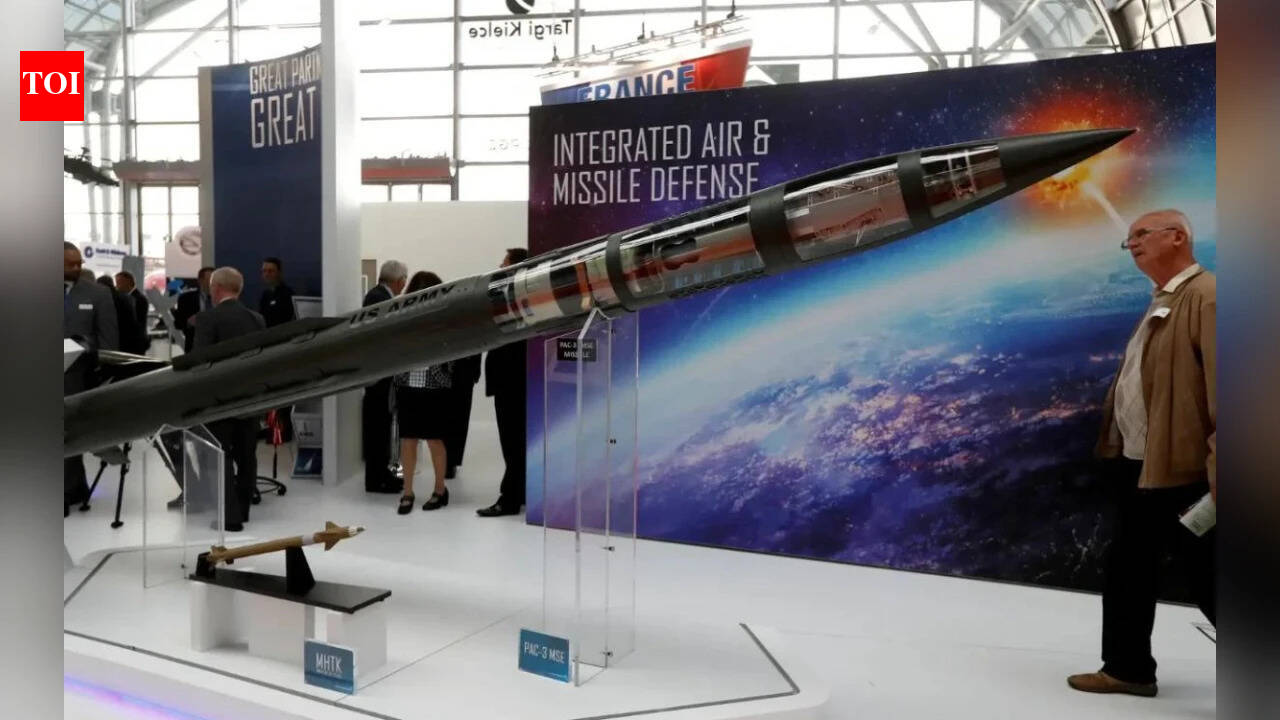
The Pentagon has entered into seven-year contracts with Lockheed Martin and General Dynamics to bolster the production of THAAD and PAC-3 MSE missile components. This strategic initiative aims to fortify the U.S. defense industrial base by increasing volume and accelerating delivery timelines.
Strategic Expansion of U.S. Missile Defense Infrastructure
The Pentagon’s recent announcement regarding seven-year agreements with Lockheed Martin and General Dynamics Ordnance and Tactical Systems (GD-OTS) marks a significant shift toward long-term industrial stabilization. By securing multi-year commitments, the Department of Defense is signaling a move away from short-term procurement cycles toward a sustained production model designed to meet the evolving demands of modern global security. These contracts focus specifically on the Terminal High Altitude Area Defense (THAAD) and Patriot Advanced Capability-3 Missile Segment Enhancement (PAC-3 MSE) systems, both of which are central to the U.S. layered missile defense architecture.
Strengthening the Defense Supply Chain
A primary objective of these agreements is the reinforcement of the missile defense industrial base. The defense supply chain has faced increasing pressure due to global demand and the complexity of manufacturing high-precision interceptor components. By formalizing a seven-year partnership, the Pentagon provides the necessary financial predictability for contractors to invest in facility expansions, workforce training, and raw material procurement. This structural support is essential for mitigating bottlenecks that have historically hampered the rapid scaling of advanced munitions production.
The Role of THAAD and PAC-3 MSE
The THAAD and PAC-3 MSE systems represent the pinnacle of current interceptor technology. THAAD is engineered to defend against short, medium, and intermediate-range ballistic missiles by intercepting them during their terminal phase of flight. Simultaneously, the PAC-3 MSE is a critical upgrade to the Patriot system, offering enhanced maneuverability and range to counter sophisticated aerial threats. Ensuring a robust supply of subcomponents for these specific platforms is vital for maintaining the operational readiness of U.S. and allied forces in contested environments.
Accelerating Delivery Schedules
Beyond merely increasing the volume of output, these contracts are explicitly designed to accelerate delivery schedules. In a landscape where the speed of threat evolution often outpaces the speed of defense procurement, the ability to rapidly field interceptors is a strategic imperative. These agreements allow for a more streamlined production flow, effectively reducing the time between order placement and deployment. This agility is a direct response to the need for greater stockpile depth and the capability to replenish resources in a timely manner.
Broader Strategic Implications
The decision to prioritize these long-term agreements reflects an understanding that modern deterrence is as much about industrial capacity as it is about technological superiority. By stabilizing the production of critical subcomponents, the U.S. is not only enhancing its own defensive posture but also providing greater assurance to international partners who rely on these systems for their national security. Looking ahead, this move suggests a transition toward a more proactive, rather than reactive, defense industrial policy, setting a precedent for how the Department of Defense may manage other critical munitions programs in the coming decade.