New Pipelines Set To Ease Permian Natural Gas Glut
Source Entity
Yahoo Finance
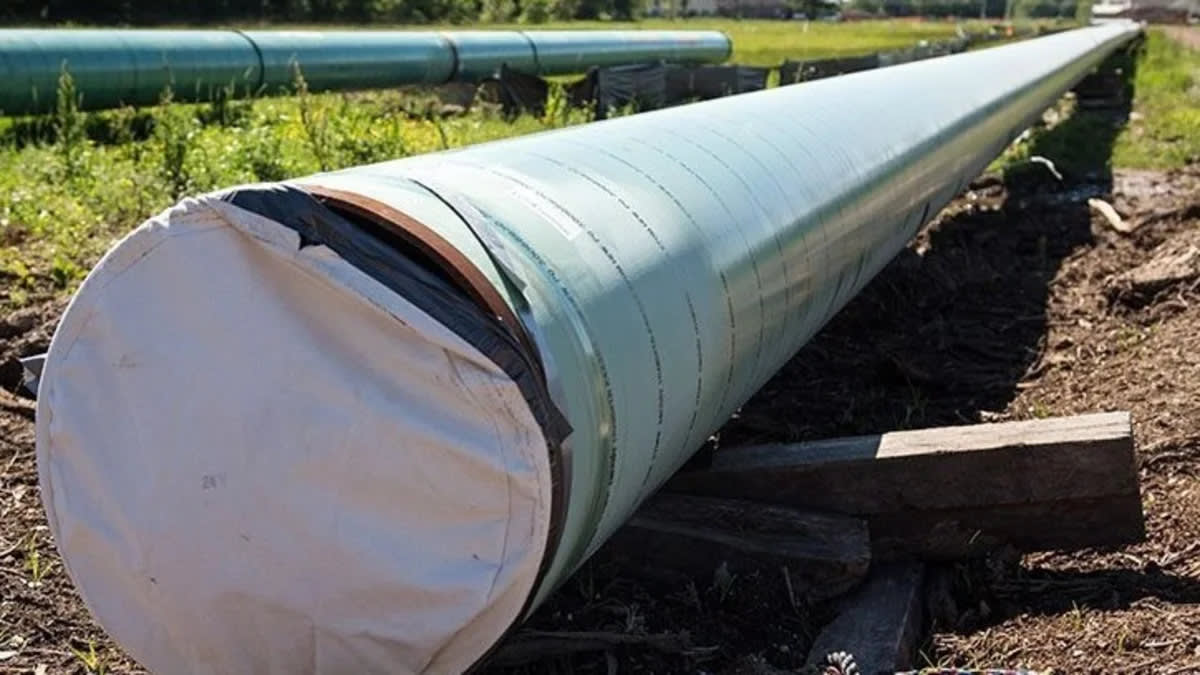
New pipeline projects are launching to address the severe natural gas glut in the Permian Basin. These developments aim to stabilize Waha hub prices, which have frequently turned negative due to takeaway capacity constraints.
The Permian Pipeline Bottleneck: A Structural Shift
The Permian Basin, widely recognized as the preeminent oil production engine of the United States, has faced a paradoxical economic crisis throughout the first half of the year. Despite record levels of hydrocarbon extraction, the region’s natural gas output—often an 'associated' byproduct of oil-targeting wells—has overwhelmed existing infrastructure. This imbalance forced producers into an untenable position where the regional price of natural gas plummeted into negative territory, effectively requiring operators to pay midstream entities to remove the excess supply.
The Anatomy of a Gas Glut
At the heart of this disruption is the disconnect between oil-directed drilling and gas takeaway capacity. As operators ramped up production to capitalize on favorable global crude prices, the volume of associated gas surged. Because this gas is a secondary byproduct, producers often view it as a logistical burden rather than a primary revenue stream. Without sufficient pipeline infrastructure to transport this surplus to major demand centers, the gas became stranded, leading to widespread flaring—within regulatory limits—and the depreciation of the Waha hub price benchmark to levels that reflect a total lack of market access.
Infrastructure as the Great Equalizer
The arrival of new pipeline capacity serves as the critical remedy for this logistical failure. Historically, the Permian has operated on a 'just-in-time' infrastructure model, where pipeline construction consistently lagged behind the rapid technological advancements in horizontal drilling and hydraulic fracturing. The commissioning of new lines is expected to relieve the pressure on the Waha hub, providing a necessary escape valve for the trapped gas and allowing regional price benchmarks to align more closely with national standards.
Market Implications and Future Trends
Looking ahead, the stabilization of regional natural gas prices will likely alter the decision-making calculus for Permian operators. When gas prices are consistently negative, the cost of production rises, potentially dampening the economic viability of certain oil-heavy plays. By normalizing these prices, the new pipeline infrastructure provides a more predictable revenue environment. This shift suggests a transition toward more efficient resource management, where the 'waste' of the past becomes a marketable commodity, reinforcing the long-term sustainability of Permian operations.
Conclusion: A Path Toward Balance
Ultimately, the expansion of takeaway capacity is not merely a technical upgrade; it is a fundamental correction to a market imbalance that has plagued the Permian for years. By addressing the bottleneck, the industry is moving toward a more mature phase of development where oil and gas production can scale in harmony with distribution capacity. This development is a vital step in ensuring that the Permian Basin maintains its status as the backbone of U.S. energy security while mitigating the environmental and economic inefficiencies of stranded, negative-value gas.