How To Spot Perseid Meteor Shower, A Light Show That Promises To Dazzle
Source Entity
NDTV News Search Records Found 1000
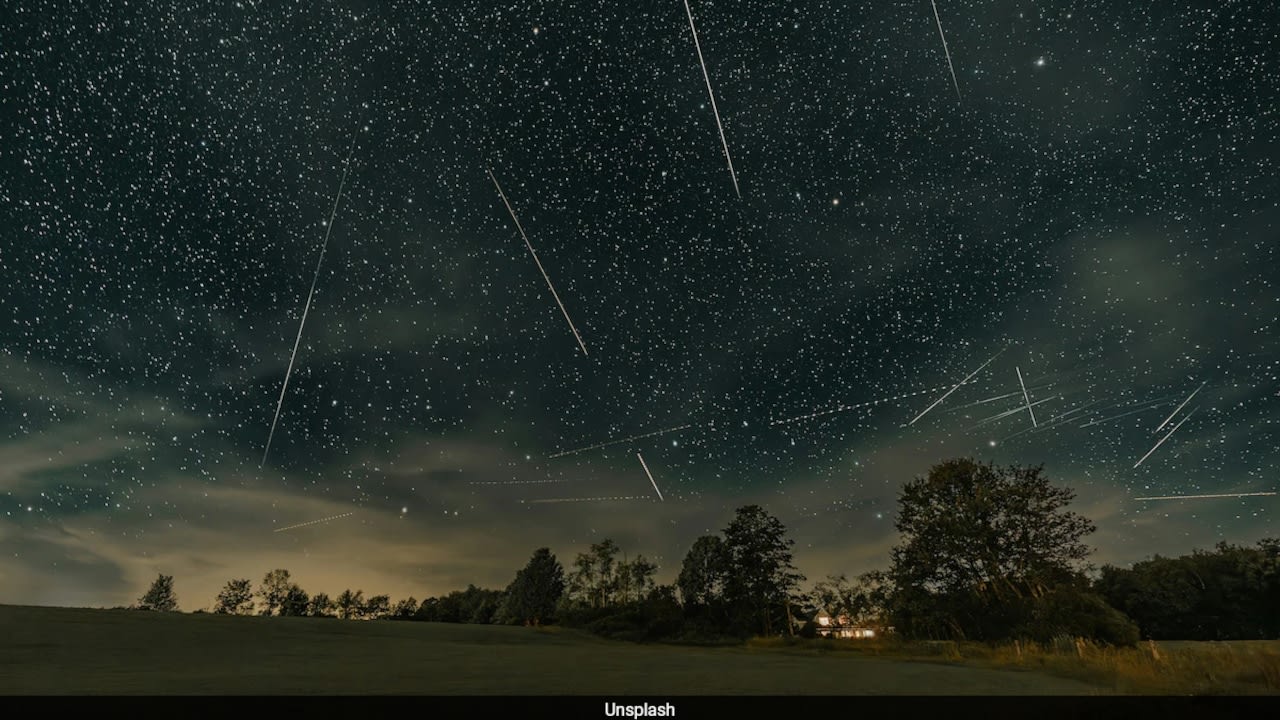
The Perseid meteor shower reaches its peak this week, coinciding with a rare total solar eclipse and a six-planet planetary alignment. Observers are advised to wait until after the eclipse's totality for the optimal viewing of the meteors.
The Celestial Convergence: A Rare Astronomical Triple-Header
This week, skywatchers are treated to a rare and spectacular confluence of astronomical events. The annual Perseid meteor shower, known for its vibrant fireballs and high frequency, is reaching its peak activity from Wednesday night into Thursday morning. This event is made significantly more unique by its temporal proximity to a total solar eclipse, which will trace a path across Spain, Iceland, and Greenland.
The Mechanics of the Perseid Peak
The Perseid meteor shower is an annual occurrence caused by the Earth passing through the debris trail left by the comet Swift-Tuttle. As these icy particles enter our atmosphere at high velocities, they burn up, creating the brilliant streaks of light known as meteors. Because this year's peak aligns with other celestial phenomena, observers should prepare for an increased level of public and scientific interest in night-sky observations.
Navigating the Solar Eclipse and Planet Parade
The most complex aspect of this week's observation window is the intersection with a total solar eclipse. While the eclipse provides a breathtaking daytime spectacle for those in the path of totality, it also heralds a broader alignment of six planets. This 'planet parade' creates a rare opportunity for astronomers to view multiple solar system bodies simultaneously, though the visual focus remains on the transition from the solar event to the nocturnal meteor display.
Optimal Viewing Strategies
Expert guidance for this week’s events emphasizes timing and patience. While the peak activity of the meteor shower overlaps with the eclipse, the most effective time to view the fireballs is specifically after the eclipse's totality. The darkness provided by the eclipse will set the stage, but the true brilliance of the Perseids will be best appreciated once the transition to night is complete and the radiant point is high in the sky.
Broader Implications for Amateur Astronomy
Events like these serve as significant catalysts for public engagement with science. When multiple high-profile astronomical events occur in rapid succession, it encourages amateur astronomers and the general public to look upward, fostering a greater appreciation for orbital mechanics and solar system dynamics. These moments are vital for education, as they provide tangible, observable proof of the complex clockwork governing our local space environment.
Concluding Observations
As we look toward the conclusion of this week's celestial display, it is clear that the combination of the Perseid meteor shower, the six-planet parade, and the total solar eclipse represents a rare alignment of events. By prioritizing the period following the eclipse's totality, observers stand the best chance of witnessing the full intensity of the fireballs. This week serves as a reminder of the dynamic and ever-changing nature of our night sky.
Verification Required?