Peru airport security finds 3,000 tarantulas hidden in dirty socks inside three suitcases
Source Entity
Latest News: Todays Latest News Headlines from India & World | Hindustan Times
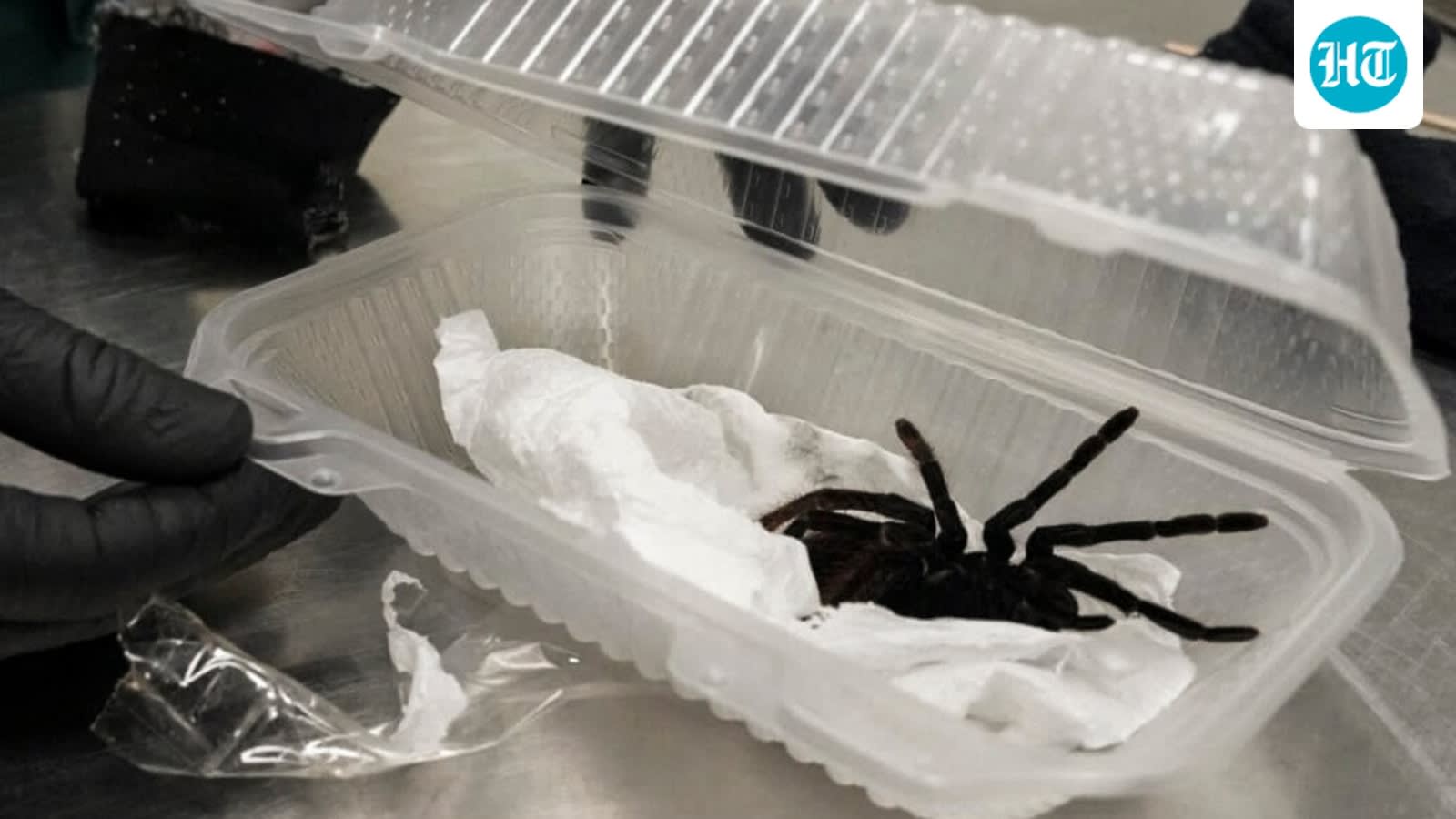
Peruvian authorities at Lima's Jorge Chávez International Airport seized over 3,000 tarantulas hidden in dirty socks within three suitcases. The spiders were destined for Germany, where they are highly valued in the exotic pet trade.
Wildlife Trafficking Crisis: The Lima Tarantula Seizure
In a shocking display of the global reach of illegal wildlife trafficking, Peruvian authorities at the Jorge Chávez International Airport recently intercepted a massive shipment of over 3,000 live tarantulas. The operation, which involved the detention of two German citizens and one Polish national, highlights the persistent challenges facing customs officials in detecting sophisticated smuggling efforts. The spiders, varying in size from hatchlings to adults, were discovered during a routine inspection when agents noted suspicious movement within three suitcases.
The Mechanics of the Smuggling Operation
The suspects utilized a crude but effective method to bypass detection: concealing the arachnids within dirty socks packed into luggage. By burying the tarantulas among soiled laundry, the traffickers likely hoped the organic odors and the cluttered appearance of the suitcases would deter physical inspection. However, the vigilance of SERFOR (National Forestry and Wildlife Service) agents, who noticed the 'unusual wriggling' during the routine check, successfully thwarted the attempt to transport the creatures to Germany.
Economic Drivers and the Exotic Pet Trade
The motivation behind this illicit venture is rooted in the high market value of exotic wildlife in Europe. According to SERFOR wildlife control technician Cora Suarez, a single tarantula can command prices upwards of €500 ($560). With a haul of 3,000 spiders, the potential black-market valuation is staggering, reaching into the millions of euros. This profit margin serves as a powerful incentive for organized wildlife smuggling rings, which exploit regional biodiversity for international gain.
Biodiversity and Environmental Impact
Peru is a global hotspot for biodiversity, and the extraction of thousands of arachnids from their native habitats poses a significant threat to local ecosystems. Tarantulas play a crucial role in pest control and as prey for various animal species. The mass removal of these specimens can destabilize local populations, potentially leading to cascading effects on the environment. SERFOR’s intervention is not merely a legal enforcement action; it is a vital step in preserving Peru's natural heritage against the demands of the international pet trade.
Challenges in Border Enforcement
This incident underscores the difficulty of monitoring international transit hubs for wildlife contraband. Customs agencies often rely on a mix of technology and human intuition, as seen when agents identified the movement inside the bags. As smuggling techniques evolve, authorities must increasingly rely on international cooperation and intelligence sharing to dismantle the networks responsible for these crimes. The joint effort between customs and wildlife experts remains the primary defense against the illicit movement of endangered or protected species.
Future Trends and Concluding Thoughts
As the exotic pet market continues to grow, the pressure on vulnerable species will likely intensify. Preventing such incidents requires a multifaceted approach, including stricter international regulations, increased penalties for wildlife trafficking, and greater public awareness regarding the ethical implications of the exotic pet trade. The seizure in Lima serves as a stark reminder of the ongoing battle to protect wildlife from exploitation, highlighting the need for sustained vigilance at all international transit points to prevent the further degradation of global biodiversity.
Verification Required?