PM Modi joins ‘Bhajan Clubbing’ event in Delhi, claps and plays tambourine
Source Entity
The Indian Express
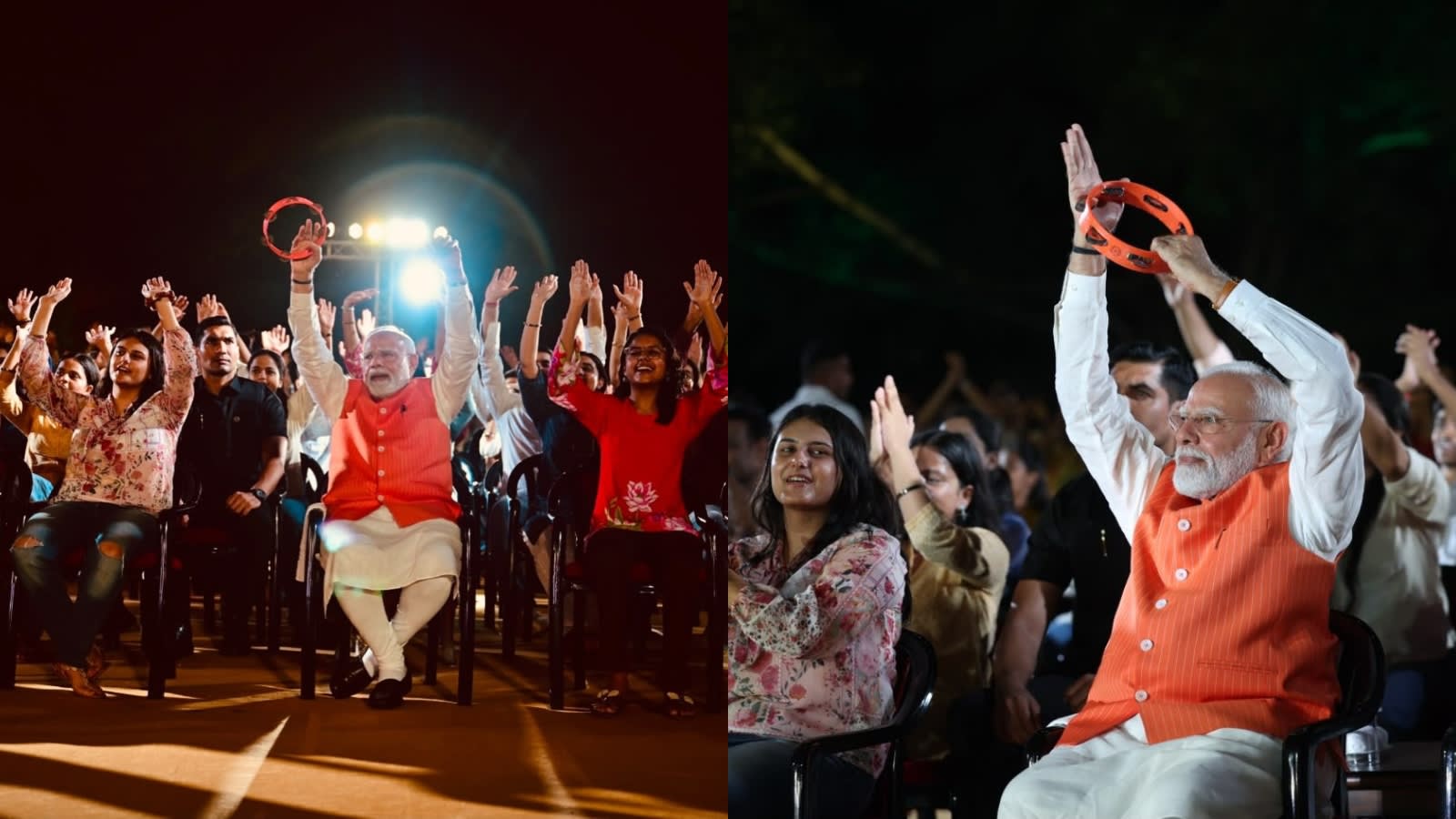
Prime Minister Narendra Modi recently attended a 'Bhajan Clubbing' event in Delhi, sparking a political debate. While supporters view it as a cultural engagement, the opposition has criticized the timing amid ongoing questions regarding the Election Commission.
Cultural Fusion Meets Political Friction
Prime Minister Narendra Modi’s recent participation in a ‘Bhajan Clubbing’ event at Deen Dayal Upadhyay Park in Delhi represents a unique intersection of traditional devotional music and modern youth-centric concert culture. By engaging with this contemporary trend—where bhajans are performed in high-energy, concert-style settings—the Prime Minister sought to bridge the generational gap in cultural expression. The event, held to commemorate the 110th birth anniversary of Pandit Deendayal Upadhyaya, served as both a tribute to a foundational leader of the Bharatiya Jana Sangh and a public display of the Prime Minister's connection to grassroots cultural movements.
The Symbolism of the Performance
During the event, the Prime Minister’s active participation, including clapping along with the audience and playing a tambourine-like instrument during a performance dedicated to Lord Ram, was highly symbolic. Such visuals are frequently utilized to reinforce a leader's alignment with cultural heritage. By stepping out of the traditional political arena and into a space defined by collective devotional singing, the Prime Minister aimed to portray a approachable image that resonates with the sentiments of the youth who are increasingly adopting these modern spiritual formats.
Political Backlash and the 'Clubbing' Narrative
However, the event has not passed without significant political friction. The Congress party, led by figures such as Karnataka minister Priyank Kharge, has utilized the event to sharpen its critique of the Prime Minister’s priorities. The opposition argues that the Prime Minister’s availability for cultural events contrasts sharply with his perceived silence on pressing institutional concerns. By coining the term ‘clubbing of democracy’ in response to the ‘Bhajan clubbing’ event, the opposition is attempting to frame the narrative around accountability rather than cultural engagement.
Institutional Scrutiny and the Election Commission
The criticism directed at the Prime Minister is deeply intertwined with broader controversies surrounding the Election Commission of India. Specifically, the opposition has raised serious questions regarding alleged unilateral decision-making processes within the commission. The demand for the resignation of Chief Election Commissioner Gyanesh Kumar highlights the intensity of the current political standoff. The opposition is leveraging the optics of the ‘Bhajan clubbing’ event to argue that the government is prioritizing public relations over addressing systemic questions regarding the integrity and independence of democratic institutions.
Broader Implications for Political Discourse
This incident underscores a growing trend in Indian politics where cultural events are increasingly viewed through a partisan lens. The ‘Bhajan clubbing’ phenomenon is a relatively new cultural development, but it has quickly become a battleground for political messaging. As the opposition continues to link these cultural performances to institutional failures, the government faces the challenge of maintaining its cultural appeal while navigating intense scrutiny regarding its governance and administrative oversight.
Conclusion: A Divided Public Sphere
Ultimately, the event highlights the widening chasm between the government’s cultural outreach and the opposition’s demand for institutional accountability. While the Prime Minister’s supporters see his attendance as a positive engagement with modern youth culture, critics view it as a diversionary tactic. Future political discourse will likely remain dominated by these dual narratives: one focused on the celebration of cultural identity and the other on the rigorous questioning of democratic institutions.