PM is right. India Inc’s rising profits must translate into higher employee wages
Source Entity
Gourav Vallabh
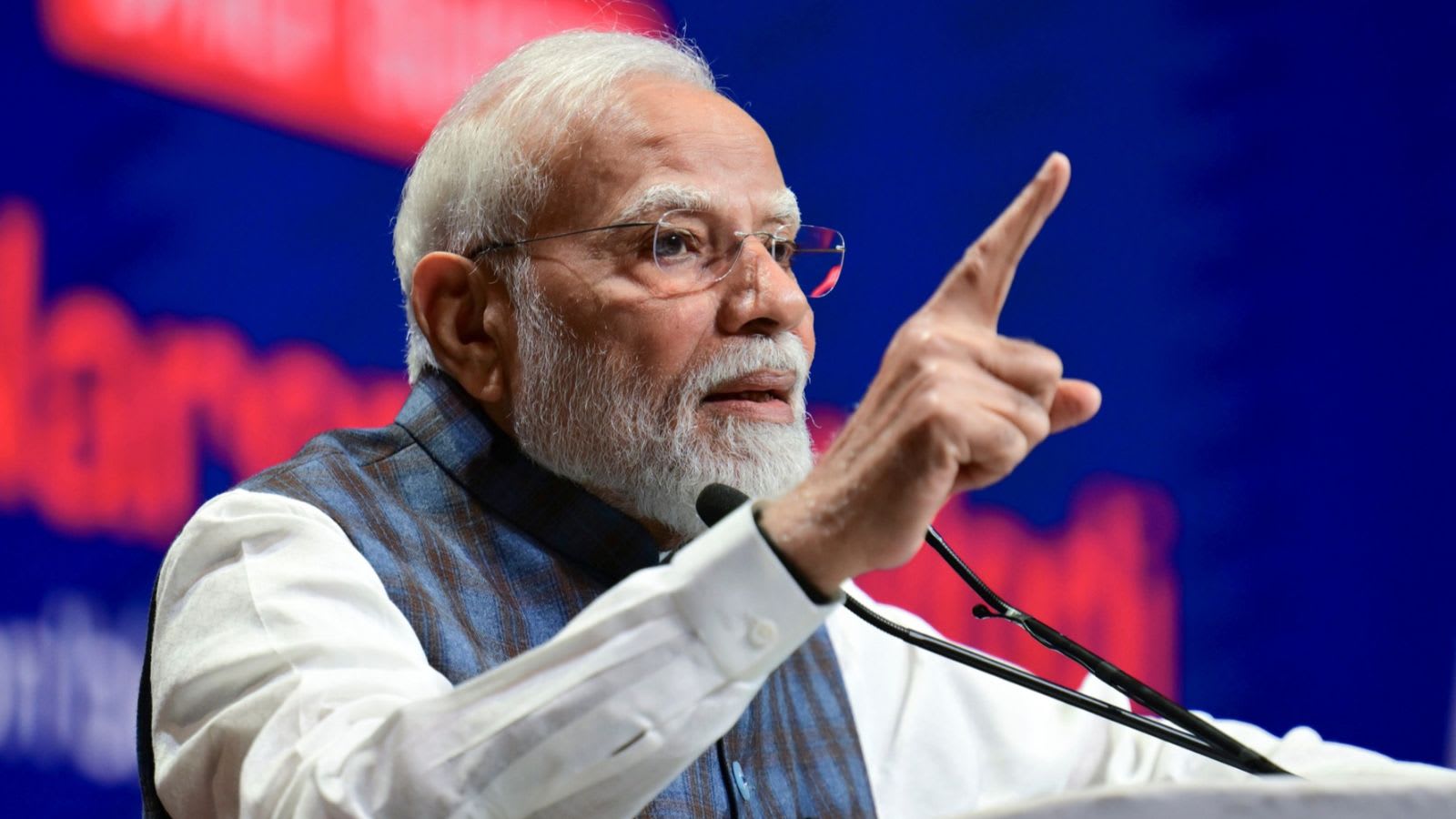
Prime Minister Narendra Modi has challenged India Inc to pass on the benefits of corporate tax cuts and income tax relief to their employees. He questioned whether industries have reciprocated government reforms by increasing salaries or hiring more staff.
PM Modi Challenges India Inc on Economic Reciprocity
At the centenary convention of the Federation of Indian Chambers of Commerce and Industry (FICCI), Prime Minister Narendra Modi delivered a pointed message to India’s corporate sector. While highlighting the government’s efforts to foster an environment conducive to business growth, he demanded greater accountability from industry leaders regarding how they utilize the fiscal benefits provided by the state. The central theme of his address was the translation of policy reforms into tangible welfare for the workforce.
The Context of Fiscal Reforms
The Prime Minister emphasized the government's track record in fiscal policy, specifically citing the reduction of the corporate tax rate from 30% in 2014 to 22%. Furthermore, he underscored the recent income tax relief measures that effectively exempt earnings up to ₹12 lakh from taxation. By presenting these figures, the Prime Minister aimed to demonstrate the government's commitment to easing the financial burden on both corporations and the middle-income demographic, thereby setting the stage for a collaborative economic strategy.
Accountability in the Corporate Sector
The core of the Prime Minister’s critique lay in the perceived lack of reciprocity from the private sector. He openly challenged industry leaders by asking, "Did you increase salaries or the number of employees?" This question serves as a direct inquiry into the efficacy of tax cuts, suggesting that the government’s willingness to sacrifice revenue should be matched by the corporate sector’s commitment to expanding payrolls and improving employee compensation. His rhetoric signaled a shift toward expecting a greater social dividend from business profits.
Poverty Alleviation and Economic Growth
Central to the Prime Minister’s narrative was the claim that 50 crore people have overcome poverty within the last 12-13 years. By anchoring this achievement in the broader economic climate, he positioned the corporate sector as a vital partner in sustaining this momentum. The implication is that for India to continue its trajectory of mass poverty reduction, the corporate sector must act as a driver for employment generation and wage growth rather than merely retaining the liquidity afforded by tax exemptions.
The 'Write to Me' Invitation
Despite the sharp tone, the Prime Minister extended an olive branch, inviting industry leaders to "write to me openly" with suggestions for further reforms. This indicates a desire to bridge the gap between policy intent and ground-level execution. By soliciting direct feedback, the government aims to identify structural bottlenecks that may be preventing industries from scaling up their hiring or salary structures, while simultaneously maintaining pressure on businesses to fulfill their societal obligations.
Future Implications for Indian Industry
The long-term impact of this discourse is likely to be a more scrutinized relationship between the state and the private sector. If the government continues to tie tax incentives to measurable employment benchmarks, Indian businesses may find themselves under increased pressure to justify their fiscal gains through social metrics. As the economy evolves, the expectation is that the corporate sector will move beyond merely seeking policy relief and become a proactive participant in the government’s goal of widespread prosperity.
Multiple Citing Sources