Mumbai chawl demolition drive was underway. Then Fadnavis, Shinde stepped in
Source Entity
Vallabh Ozarkar
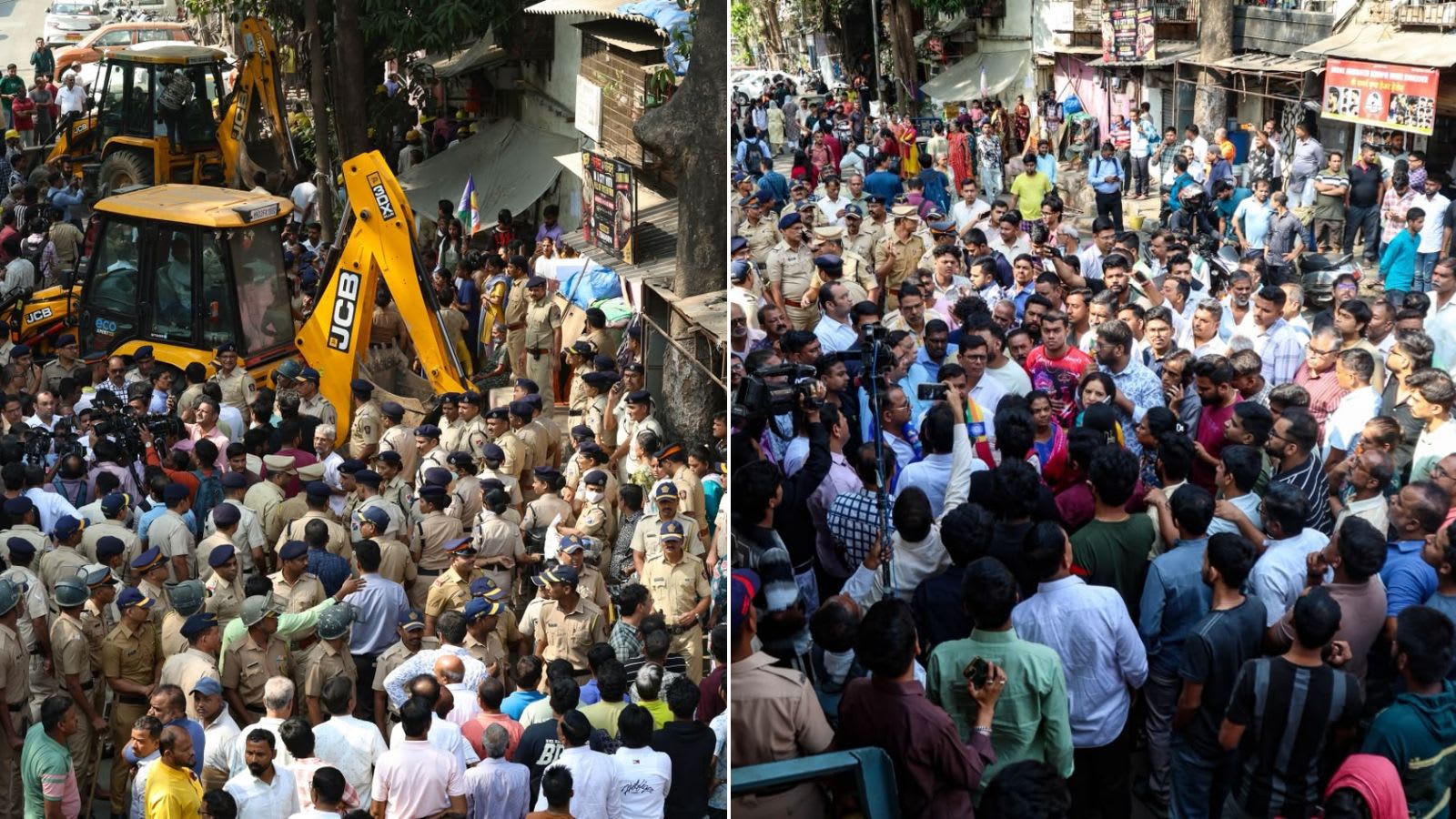
The Western Railway has halted a demolition drive targeting 102 structures in Mumbai’s Prabhadevi following intervention from state leadership. The pause aims to facilitate a long-term rehabilitation policy for residents, amid broader political debates over infrastructure and regional naming controversies.
The Prabhadevi Demolition Halt: A Political and Humanitarian Intervention
The recent decision by Western Railway to halt its demolition drive on land near Mumbai’s Prabhadevi station marks a significant intersection of administrative necessity and political intervention. The planned removal of 102 structures, including residential chawls and ground-floor rooms near Chawl Nos. 32-L and 33-L, was intended to clear space for railway employee housing. However, the abrupt suspension of this drive, prompted by the direct involvement of Maharashtra Chief Minister Eknath Shinde and Deputy Chief Minister Devendra Fadnavis, highlights the intense pressure state leaders face regarding urban displacement.
The Role of State-Center Coordination
The intervention by the state leadership, which reached Union Railway Minister Ashwini Vaishnaw, underscores the complex jurisdictional dance between the Union government—which owns the railway land—and the state government, which manages the welfare of Mumbai’s dense urban population. According to the state government's statement, the pause is not merely a cancellation but a pivot toward a more structured approach. By negotiating with the Union Railway Ministry, state officials have bought time to formulate a "comprehensive and permanent solution" for the 102 families who have occupied these lands for years.
Balancing Infrastructure and Rehabilitation
Railway land in Mumbai has historically been a flashpoint for encroachment, with the Western Railway regularly attempting to clear land for operational needs and staff amenities. The current situation reflects the inherent tension between the railway's requirement for land development and the humanitarian reality of long-term residents. The railway administration's commitment to formulating a "comprehensive policy" in coordination with the state suggests a move away from sporadic demolition drives toward a more collaborative resettlement framework.
Political Context and Public Sentiment
The timing of this intervention is critical, occurring against a backdrop of heightened political activity in Mumbai. With regional actors like MNS leader Bala Nandgaonkar and UBT Sena MLA Ajay Chaudhary engaging with the issue, the demolition has become a matter of public visibility. The ability of the current state government to secure a stay on the demolition serves as a tangible response to the concerns of residents, effectively positioning the administration as a mediator between central infrastructure mandates and local constituent needs.
Broader Implications: Renaming and Regional Identity
This infrastructure conflict coincides with broader symbolic debates, most notably the brewing controversy over the renaming of Dadar station to ‘Chaityabhoomi.’ As Shiv Sena (UBT) leader Sanjay Raut leverages this momentum to propose the renaming of Nagpur to ‘Deekshabhoomi,’ the political environment in Maharashtra is increasingly defined by the intersection of urban development and cultural legacy. The Prabadevi issue, while rooted in housing, is inseparable from the wider political climate where every development project or administrative decision carries significant symbolic weight.
Future Trends in Urban Governance
Moving forward, the success of the proposed "long-term policy" will serve as a bellwether for how the state and the railways handle similar encroachments across Mumbai. If the administration can successfully implement a rehabilitation plan that satisfies both the railway's development goals and the residents' housing security, it may establish a new template for urban land disputes. However, failure to deliver on this promise could lead to renewed protests and further political friction in the lead-up to future electoral cycles.