Narendra Modi first Indian PM to visit New Zealand in 40 years, trade and sports top agenda
Source Entity
Shubhajit Roy
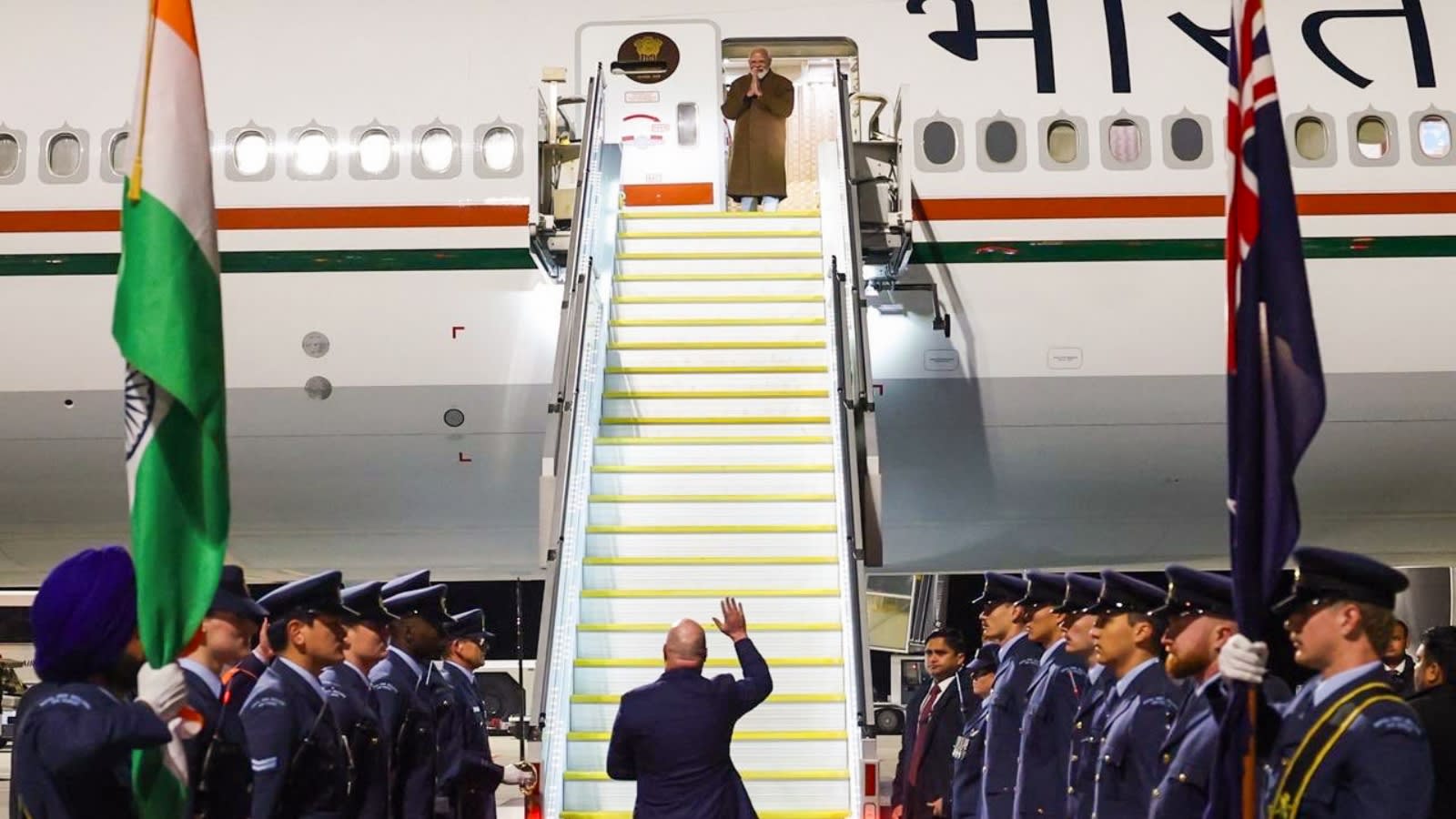
Prime Minister Narendra Modi will meet New Zealand Prime Minister Christopher Luxon on Saturday, with talks focused on trade and investment, and high-tech innovation in dairying, farming and high-perf...
A Historic Diplomatic Milestone: PM Modi's Visit to New Zealand
Prime Minister Narendra Modi's visit to New Zealand marks a watershed moment in the bilateral relationship between the two nations, representing the first time an Indian Prime Minister has set foot on New Zealand soil in four decades. This visit is not merely a ceremonial gesture but a strategic realignment intended to modernize and deepen ties that have remained cordial but underdeveloped for years. By meeting with Prime Minister Christopher Luxon, Modi is signaling India's intent to diversify its diplomatic and economic outreach within the Indo-Pacific region, moving beyond traditional partnerships to embrace high-growth opportunities in Oceania.
Strengthening Trade and Agricultural Synergy
A primary pillar of the diplomatic agenda is the expansion of trade and investment, with a specific emphasis on the agricultural sector. New Zealand is globally recognized for its world-leading dairy and farming efficiencies, while India possesses one of the largest agricultural populations and consumer markets in the world. The focus on "high-tech innovation in dairying and farming" suggests a move toward knowledge-sharing and the implementation of precision agriculture. By integrating New Zealand's sustainable farming technologies with India's scale, both nations stand to gain: New Zealand secures a massive export market for its premium produce, and India enhances its food security and farming productivity through technological upgrades.
The Role of Sports as Soft Power
Beyond the balance sheets of trade, the inclusion of sports at the top of the agenda highlights the critical role of "soft power" in international relations. Cricket, in particular, serves as a cultural bridge between India and New Zealand, commanding immense popularity in both nations. Utilizing sports as a diplomatic tool allows both governments to foster people-to-people ties and create a positive public perception that transcends political discourse. This strategy mirrors a broader global trend where sporting excellence and cooperation are used to lubricate the wheels of high-level political and economic negotiations, creating a foundation of mutual respect and shared passion.
High-Tech Innovation and Economic Diversification
The discussions regarding "high-performance" sectors and innovation indicate a desire to move the relationship beyond primary commodities. As India continues its push toward becoming a global technology hub, there is significant potential for collaboration in digital services, FinTech, and sustainable energy. New Zealand's niche expertise in specialized high-tech sectors provides a complementary fit for India's massive IT infrastructure. This synergy is likely to manifest in joint ventures and increased venture capital flow, as New Zealand firms look for scalability in the Indian market and Indian tech giants seek innovative partners in the Pacific.
Geopolitical Implications in the Indo-Pacific
From a geopolitical perspective, this visit occurs against a backdrop of shifting power dynamics in the Indo-Pacific. Both India and New Zealand are democratic nations committed to a free, open, and inclusive region. By strengthening their bilateral bond, they reinforce a network of democratic partnerships that provide a counterbalance to regional hegemony. This visit underscores India's "Act East" policy, expanding its influence and ensuring that its strategic interests are aligned with other like-minded maritime nations. The meeting between Modi and Luxon serves as a public affirmation of this strategic convergence.
Future Trends and Long-term Outlook
Looking ahead, this visit is expected to catalyze a surge in bilateral trade agreements and potentially pave the way for a more comprehensive economic partnership. We can anticipate a rise in student exchanges and professional mobility, as the diaspora continues to grow and bridge the gap between the two cultures. Furthermore, the focus on agri-tech is likely to lead to the establishment of joint research centers dedicated to climate-resilient farming, which is a critical concern for both nations facing the challenges of global warming.
Conclusion
In summary, Prime Minister Narendra Modi's visit to New Zealand is a calculated and historic step toward a more robust partnership. By blending hard-nosed economic goals—such as trade in dairy and high-tech farming—with the soft power of sports, the two leaders are constructing a multifaceted relationship. This visit not only corrects a 40-year diplomatic gap but sets a new trajectory for cooperation that is economically beneficial, technologically forward-thinking, and strategically sound for the future of the Indo-Pacific region.